Classic Spaghetti Bolognese Recipe
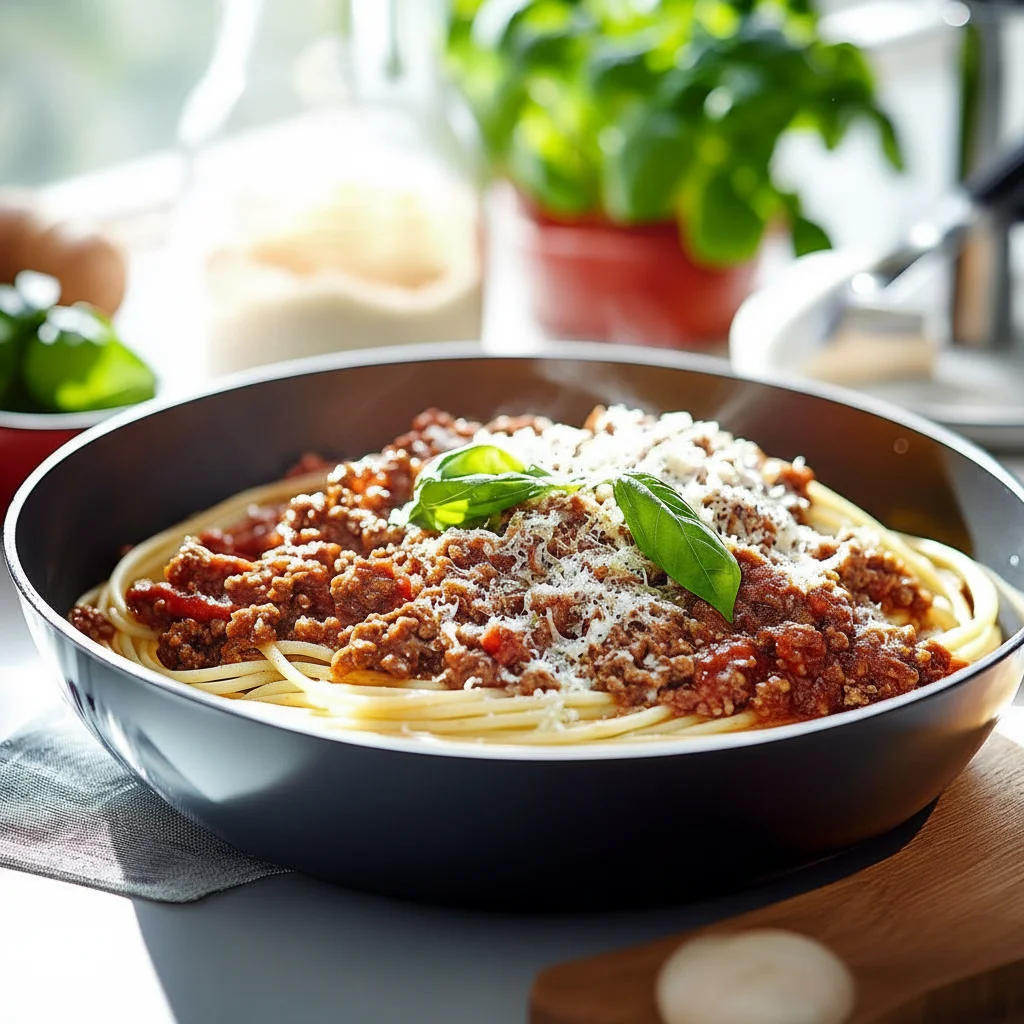
There are some meals that just feel like a warm hug in a bowl, and for me, a truly great Spaghetti Bolognese is the ultimate example. It’s not about rushing; it’s about the slow, gentle simmer that transforms a handful of simple ingredients into something deeply savoury and satisfying. This isn’t a 20-minute sauce from a jar; it’s the real deal, a rich and hearty bolognese sauce that coats every single strand of spaghetti. I’ve been making this for over 5 years, and it never disappoints.
What makes this spaghetti bolognese recipe so special is the depth of flavour we build, layer by layer. We start with a classic Italian ‘soffritto’ of onion, carrot, and celery, cooking them down until they are sweet and fragrant. The combination of rich beef mince and salty pancetta, deglazed with a splash of red wine, creates a base that is simply magnificent. The long, slow simmer with milk—a traditional touch that many people miss—results in incredibly tender meat and a velvety, complex sauce.
This is a dish that works beautifully for a weekend family meal, filling the kitchen with the most wonderful aroma as it bubbles away on the stove. It’s also brilliant for batch cooking, as the flavours only get better the next day. If you’re looking for a recipe that everyone seems to love, one that feels both special and wonderfully familiar, you’ve found it. It’s a staple in our house, just like my hearty Meatloaf With Stove Top Stuffing Recipe.
Recipe Overview
This recipe focuses on developing a deep, savoury flavour through a slow and gentle cooking process. The result is a rich, thick bolognese sauce, not a watery tomato one. I’ve found that letting it simmer for at least an hour is non-negotiable for achieving that signature taste and texture.
- Prep Time: 15 minutes
- Cook Time: 1 hour 30 minutes
- Total Time: 1 hour 45 minutes
- Servings: 6 people
- Difficulty: Easy
Why You’ll Love This Spaghetti Bolognese Recipe
- Genuine Flavour: The sauce is rich and complex, with savoury notes from the pancetta and beef, sweetness from the slow-cooked vegetables, and a background warmth from a hint of nutmeg. The red wine adds an unmistakable depth.
- Tender, Velvety Texture: The addition of milk and a long simmer time breaks down the meat until it’s wonderfully tender and the sauce has a beautiful, creamy consistency that clings perfectly to the pasta.
- Flexible Recipe: You can easily adapt this to your liking. Swap the beef for a mixture of beef and pork, add a sprig of rosemary during the simmer, or leave out the pancetta for a slightly lighter sauce.
- Great for a Cosy Night In: This is the meal I turn to on a chilly Sunday afternoon. It’s wonderfully comforting and feels like a proper, home-cooked dinner without being overly complicated.
- Family Tested: I make this at least once a week – it’s become a family favourite. Even my fussiest eater clears their plate every single time, which is always a win in my book!
Ingredients You’ll Need
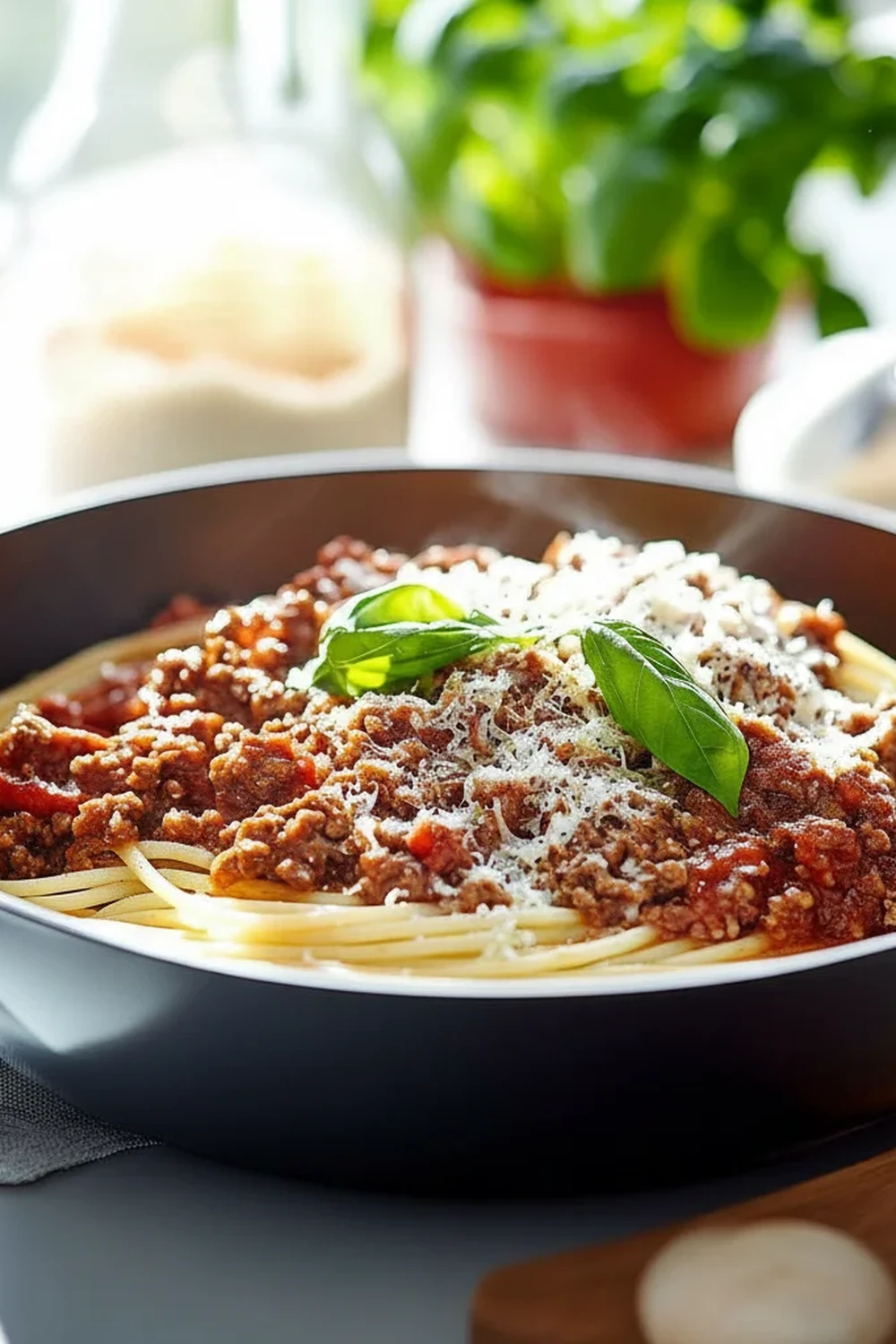
For the best bolognese sauce, using good quality ingredients makes a world of difference. I always opt for tinned tomatoes from a trusted brand like Mutti or Cirio, as they have a natural sweetness and aren’t overly acidic. A good, full-bodied red wine you’d happily drink is also key!
- For the Bolognese Sauce:
- 2 tbsp olive oil
- 120g pancetta, finely diced
- 1 large onion, finely chopped
- 2 medium carrots, finely chopped or grated
- 2 celery stalks, finely chopped or grated
- 2 cloves garlic, minced
- 500g good-quality beef mince (15-20% fat)
- 150ml dry red wine (like a Chianti or Merlot)
- 250ml full-fat milk
- 2 x 400g tins of chopped tomatoes
- 2 tbsp tomato purée
- 250ml beef stock
- 1 bay leaf
- ½ tsp freshly grated nutmeg
- Salt and freshly ground black pepper, to taste
- To Serve:
- 500g spaghetti or tagliatelle
- Freshly grated Parmesan cheese
- Fresh basil or parsley, chopped (optional)
Kira’s Tip: I often grate the carrots and celery on the coarse side of a box grater instead of chopping them. They release their moisture and sweetness more easily and completely melt into the sauce, which is brilliant if you have children who might otherwise pick out the vegetables.
How to Make Spaghetti Bolognese Recipe
The process is straightforward and mostly hands-off once you get to the simmering stage. The key is to not rush the initial steps, as this is where we build the foundation of flavour for our bolognese sauce.
- Sauté the Pancetta: Heat the olive oil in a large, heavy-bottomed pot or Dutch oven over a medium heat. Add the diced pancetta and cook for 5-7 minutes, stirring occasionally, until it’s golden and crisp and has rendered its fat.
- Cook the Soffritto: Add the chopped onion, carrot, and celery to the pot with the pancetta. This vegetable base is known as a ‘soffritto’, and cooking it properly is vital. You can learn more about its importance at BBC Good Food. Sauté for 10-12 minutes, stirring often, until the vegetables are very soft, sweet, and fragrant but not browned. Add the minced garlic and cook for another minute until you can smell it.
- Brown the Mince: Increase the heat to medium-high, add the beef mince to the pot, and break it up with a wooden spoon. Cook until the meat is browned all over. Season generously with salt and pepper. Don’t worry about draining the fat unless there’s an excessive amount – it’s all flavour!
- Deglaze and Add Liquids: Pour in the red wine and scrape any browned bits from the bottom of the pot. Let it bubble away for 2-3 minutes until the alcohol smell has cooked off and the wine has mostly evaporated.
- Add Milk and Simmer: Pour in the milk, stir well, and let it simmer and bubble away until it has been almost completely absorbed by the meat. I find that this step is crucial for tenderising the beef. It might look a little strange at first, but trust the process!
- The Long Simmer: Stir in the tinned tomatoes, tomato purée, beef stock, bay leaf, and grated nutmeg. Bring the sauce to a gentle simmer, then reduce the heat to the lowest possible setting. Partially cover the pot with a lid and let it cook for at least 1 hour and 15 minutes, or up to 3 hours. The longer it simmers, the richer the flavour will be. Stir it every 20-30 minutes to prevent it from catching on the bottom.
- Cook the Pasta: About 15 minutes before the sauce is ready, bring a large pot of salted water to a rolling boil. Add the spaghetti and cook according to the packet instructions until ‘al dente’ (firm to the bite).
- Combine and Serve: Just before draining the pasta, scoop out a mugful of the starchy pasta water. Drain the spaghetti and return it to its pot. Remove the bay leaf from the bolognese sauce. Add a few large spoonfuls of the sauce to the spaghetti, along with a splash of the reserved pasta water. Toss everything together vigorously for a minute until the pasta is beautifully coated. Serve immediately in warm bowls, with extra sauce spooned over the top and a generous grating of fresh Parmesan cheese.
Tips From My Kitchen
- Gentle Simmer is Key: Keep the heat on the absolute lowest setting for the long simmer. You want to see just a few lazy bubbles breaking the surface. A vigorous boil will make the meat tough and the sauce can catch and burn.
- The Secret Step: Don’t skip the milk. I learned that this simple step, common in traditional recipes from Bologna, is what separates a good bolognese from a great one. It balances the acidity of the tomatoes and creates an unbelievably tender and rich sauce.
- Make-Ahead Magic: This bolognese sauce tastes even better the next day. The flavours have more time to meld together. I often make a double batch on a Sunday to use for a quick dinner on Monday. Just cool it completely and store it in the fridge.
- Storage: Leftover sauce can be stored in an airtight container in the refrigerator for up to 4 days. It also freezes brilliantly for up to 3 months. Just thaw it overnight in the fridge and reheat gently on the hob.
Common Mistakes to Avoid
- Overcrowding the Pan: When browning the mince, make sure your pan is large enough. If you overcrowd it, the meat will steam instead of browning, and you’ll miss out on the deep, savoury flavour that comes from a good sear. If needed, brown the meat in two batches.
- Rushing the Simmer: I know it’s tempting to cut the cooking time, but the long, slow simmer is where the magic happens. This is what breaks down the meat and vegetables and allows all the flavours to meld into a rich, cohesive sauce. An hour is the minimum, but an hour and a half is even better.
- Not Salting the Pasta Water: This is your only chance to season the pasta itself. The water should taste like the sea. This simple step makes a huge difference to the final dish, ensuring every component is properly seasoned.
Delicious Variations to Try
While this recipe is fantastic as it is, it’s also a great base for experimentation. Here are a few ideas we’ve tried and loved:
- A Touch of Spice: For a gentle warmth, add ½ teaspoon of red chilli flakes along with the garlic. It doesn’t make it fiery, but it adds a lovely background heat.
- Vegetarian Bolognese: Omit the pancetta and beef. Instead, use a base of finely chopped mushrooms (chestnut or porcini work well) and a tin of green or brown lentils. Sauté the mushrooms until well-browned before adding the other vegetables, and use vegetable stock instead of beef.
- Use Mixed Mince: For an even richer sauce, substitute half of the beef mince with pork mince. The extra fat in the pork adds another layer of flavour and results in a very succulent sauce.
What to Serve With Spaghetti Bolognese Recipe
This rich pasta recipe is a meal in itself, but a few simple sides can round it out beautifully. Here’s what we usually serve alongside it:
- Crusty Garlic Bread: It’s practically a requirement for mopping up every last bit of that delicious bolognese sauce from the bowl.
- A Simple Green Salad: A bowl of crisp rocket or mixed leaves with a sharp lemon and olive oil vinaigrette provides a fresh, acidic contrast that cuts through the richness of the sauce. It’s a much lighter option than my Big Batch Pasta Salad for Crowds, which is a meal in itself!
- Wine Pairing: A medium-bodied Italian red wine, such as a Chianti Classico or a Barbera d’Asti, complements the flavours of the tomato and red wine in the sauce wonderfully.
Frequently Asked Questions
Spaghetti Bolognese Recipe
Ingredients
Method
- Sauté the Pancetta: Heat the olive oil in a large, heavy-bottomed pot or Dutch oven over a medium heat. Add the diced pancetta and cook for 5-7 minutes, stirring occasionally, until it's golden and crisp and has rendered its fat.
- Cook the Soffritto: Add the chopped onion, carrot, and celery to the pot with the pancetta. This vegetable base is known as a 'soffritto', and cooking it properly is vital. You can learn more about its importance at BBC Good Food. Sauté for 10-12 minutes, stirring often, until the vegetables are very soft, sweet, and fragrant but not browned. Add the minced garlic and cook for another minute until you can smell it.
- Brown the Mince: Increase the heat to medium-high, add the beef mince to the pot, and break it up with a wooden spoon. Cook until the meat is browned all over. Season generously with salt and pepper. Don't worry about draining the fat unless there's an excessive amount – it's all flavour!
- Deglaze and Add Liquids: Pour in the red wine and scrape any browned bits from the bottom of the pot. Let it bubble away for 2-3 minutes until the alcohol smell has cooked off and the wine has mostly evaporated.
- Add Milk and Simmer: Pour in the milk, stir well, and let it simmer and bubble away until it has been almost completely absorbed by the meat. I find that this step is crucial for tenderising the beef. It might look a little strange at first, but trust the process!
- The Long Simmer: Stir in the tinned tomatoes, tomato purée, beef stock, bay leaf, and grated nutmeg. Bring the sauce to a gentle simmer, then reduce the heat to the lowest possible setting. Partially cover the pot with a lid and let it cook for at least 1 hour and 15 minutes, or up to 3 hours. The longer it simmers, the richer the flavour will be. Stir it every 20-30 minutes to prevent it from catching on the bottom.
- Cook the Pasta: About 15 minutes before the sauce is ready, bring a large pot of salted water to a rolling boil. Add the spaghetti and cook according to the packet instructions until 'al dente' (firm to the bite).
- Combine and Serve: Just before draining the pasta, scoop out a mugful of the starchy pasta water. Drain the spaghetti and return it to its pot. Remove the bay leaf from the bolognese sauce. Add a few large spoonfuls of the sauce to the spaghetti, along with a splash of the reserved pasta water. Toss everything together vigorously for a minute until the pasta is beautifully coated. Serve immediately in warm bowls, with extra sauce spooned over the top and a generous grating of fresh Parmesan cheese.
Notes
I truly hope you enjoy making this spaghetti bolognese recipe as much as my family and I do. It’s a labour of love, but the results are so worth it. The rich aroma filling your home is half the pleasure! If you try it, please let me know how it turned out in the comments below. I love hearing from you! Happy cooking, Kira.