Fresh Seasonal Fruit Pie Dessert
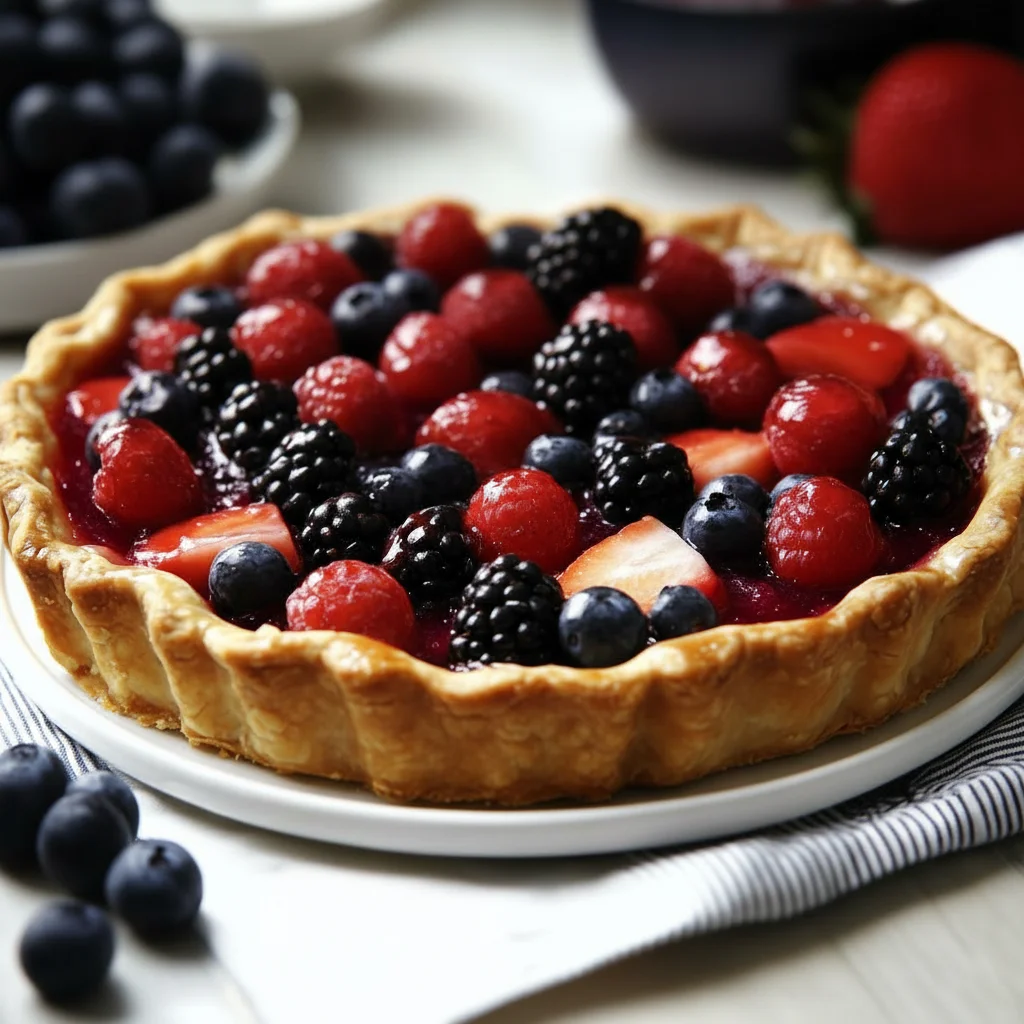
There is something genuinely magical about a fruit pie cooling on the countertop, its golden crust hinting at the warm, sweet filling nestled inside. For me, baking is tied to the rhythm of the year, and this seasonal fruit pie recipe is my way of capturing the best of what the orchards and hedgerows have to offer. Friends always ask me for this recipe after trying it at dinner parties, and I believe its charm lies in its adaptability and the deeply satisfying flavour of fruit baked at its peak.
This isn’t just another dessert pie; it’s a celebration of simplicity and quality ingredients. We’ll be making a flaky, all-butter shortcrust pastry from scratch that is far more rewarding than any shop-bought version. Inside, we’ll pack it with a glorious tumble of seasonal fruits – today, we’re using a classic autumn combination of sharp Bramley apples and tart blackberries. The juices bubble up through the steam vents, creating a jammy, fragrant filling that is beautifully balanced, not overly sweet.
This recipe works wonderfully for a lazy Sunday afternoon treat, a comforting pud after a roast dinner, or as the star of a special occasion. It’s a bake that brings everyone to the table, ready with a spoon and a dollop of cream. Let’s get our aprons on and create something truly special together.
Recipe Overview
This seasonal fruit pie recipe focuses on a crisp, buttery pastry and a vibrant, juicy fruit filling that lets the natural flavours shine. The key is using cold ingredients for the pastry to achieve that perfect flaky texture. I’ve found that a little lemon zest in the filling really brightens the fruit and cuts through the sweetness beautifully. It’s a straightforward method that yields consistently excellent results.
- Prep Time: 35 minutes (plus 30 minutes chilling)
- Cook Time: 40-50 minutes
- Total Time: 1 hour 15 minutes (plus chilling)
- Servings: 8 people
- Difficulty: Medium
Why You’ll Love This Seasonal Fruit Pie
- Genuine Flavour: The all-butter pastry is rich and savoury, providing the perfect contrast to the sweet and tart fruit filling. You get the soft, yielding texture of the apples next to the burst of the blackberries, all coated in a light, spiced syrup.
- Ready in Under 2 Hours: From start to finish, including chilling time, this impressive dessert pie comes together with minimal fuss, making it ideal for a weekend baking project.
- Flexible Recipe: This is a fantastic base recipe. Swap the apples and blackberries for rhubarb and strawberry in spring, or plums and damsons in late summer. You can adjust the sugar based on the sweetness of your chosen fruit.
- Great for Family Gatherings: It’s a wonderful dessert to bring to a family lunch or a potluck dinner. It slices neatly and travels well once completely cool.
- Family Tested: My children always get excited when they see me peeling apples for this pie. They love helping to crimp the edges, and the empty plates at the end of the meal speak for themselves!
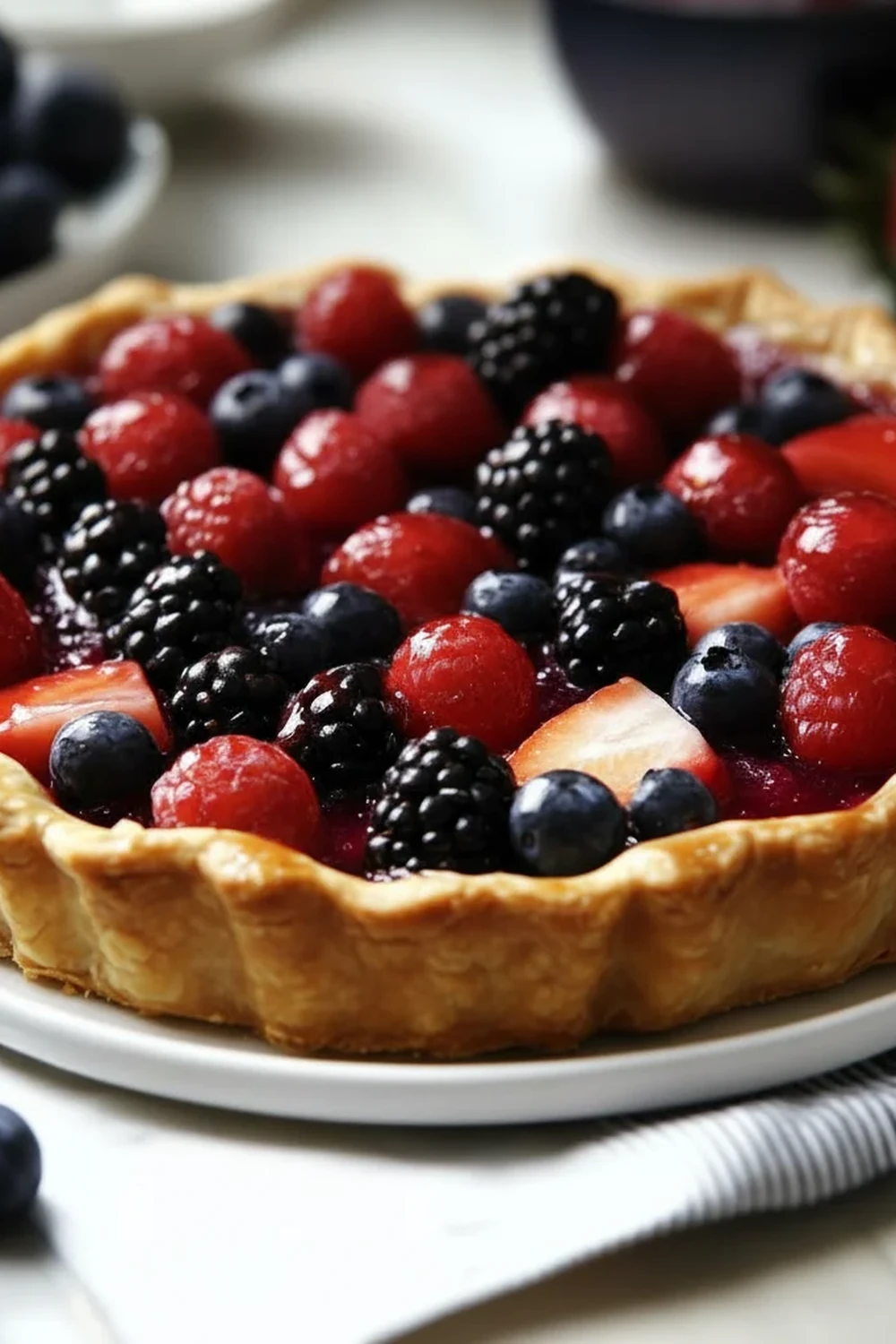
Ingredients You’ll Need
For the pastry, it’s crucial to use cold, unsalted butter, cubed straight from the fridge. I always use a good quality block butter, like Lurpak or a supermarket’s own-brand equivalent, as it gives the best flavour and texture. Don’t be tempted by margarine or baking spreads here.
- For the All-Butter Pastry:
- 350g plain flour, plus extra for dusting
- 1/2 tsp salt
- 200g cold unsalted butter, cut into 1cm cubes
- 100ml ice-cold water
- 1 medium egg, beaten (for egg wash)
- 1 tbsp demerara sugar, for sprinkling
- For the Fruit Filling:
- 900g Bramley apples (about 4 large)
- 250g fresh or frozen blackberries
- 120g caster sugar (adjust to your taste)
- 1 tsp ground cinnamon
- 1/4 tsp ground nutmeg
- Zest of 1 lemon
- 2 tbsp cornflour
Kira’s Tip: If your blackberries are particularly sharp, you might want to add an extra tablespoon of caster sugar. Taste a berry first to judge! This small step ensures your filling is perfectly balanced every time.
How to Make This Seasonal Fruit Pie
We’ll start by making the pastry, which needs to chill before we roll it out. While it’s resting in the fridge, we can prepare the beautiful fruit filling. This ensures everything is ready to assemble once the pastry is chilled and firm.
- First, let’s make the pastry. In a large bowl, mix the plain flour and salt. Add the cold, cubed butter. Using your fingertips, rub the butter into the flour until the mixture resembles coarse breadcrumbs with a few larger, pea-sized bits of butter remaining. This is key for a flaky crust. For a deeper dive into pastry techniques, BBC Good Food has a great guide.
- Gradually add the ice-cold water, a tablespoon at a time, mixing with a cutlery knife until the dough just comes together. Don’t add all the water at once, as you may not need it all. Bring the dough into a ball with your hands, being careful not to overwork it.
- Divide the dough into two pieces, one slightly larger than the other (roughly a 2/3 and 1/3 split). The larger piece is for the base. Wrap both pieces in cling film and chill in the fridge for at least 30 minutes.
- While the pastry is chilling, prepare the filling. Peel, core, and slice the Bramley apples into 1cm-thick wedges. Place them in a large bowl. Add the blackberries, caster sugar, cinnamon, nutmeg, lemon zest, and cornflour. Gently toss everything together until the fruit is evenly coated. Set aside.
- Preheat your oven to 200°C (180°C fan). Lightly grease a 23cm pie dish. On a floured surface, roll out the larger piece of pastry until it’s about 3-4mm thick and large enough to line your dish with an overhang. Carefully lift it into the dish, pressing it gently into the corners.
- Spoon the fruit filling into the pastry-lined dish, piling it slightly higher in the middle.
- Roll out the smaller piece of pastry for the lid. Brush the rim of the pie base with a little of the beaten egg. Lay the pastry lid over the filling. Trim the excess pastry from both layers, leaving about 1cm overhang. Press the edges together firmly to seal.
- Crimp the edges using your thumb and forefingers or the tines of a fork. I find that a simple thumb-and-knuckle crimp gives a lovely rustic finish. Brush the entire top of the pie with the beaten egg, then sprinkle generously with demerara sugar for a crunchy topping.
- Using a sharp knife, make 2-3 small slits in the centre of the pie lid to allow steam to escape.
- Place the pie on a baking tray (to catch any drips) and bake for 20 minutes. Then, reduce the oven temperature to 180°C (160°C fan) and bake for another 20-30 minutes, or until the crust is a deep golden brown and the filling is bubbling through the vents.
- Allow the pie to cool in the dish for at least 30 minutes before slicing. This allows the filling to set properly.
Tips From My Kitchen
- Temperature Control: Your butter and water must be ice-cold for the pastry. This prevents the butter from melting into the flour, which creates the all-important flaky layers. If your kitchen is warm, you can even chill your mixing bowl beforehand.
- The Secret Step: Don’t overwork the pastry dough. The moment it comes together, stop kneading. Overworking develops the gluten, which can lead to a tough, chewy crust instead of a short, crumbly one. I learned that less is more when it comes to pastry.
- Make-Ahead: The pastry dough can be made up to 2 days in advance and kept well-wrapped in the fridge. You can also freeze the unbaked, assembled pie. Bake from frozen, adding an extra 15-20 minutes to the cooking time.
- Storage: Leftover pie can be stored, covered, at room temperature for up to 2 days or in the fridge for 4 days. It’s delicious cold but can be gently reheated in the oven at 160°C (140°C fan) for about 10-15 minutes.
Common Mistakes to Avoid
- A Soggy Bottom: This classic pie problem often happens if the filling is too wet or the base isn’t cooked through. The cornflour in our recipe helps thicken the juices, and placing the pie on a preheated baking tray helps cook the base quickly and effectively.
- Wrong Temperature: Starting the pie at a higher temperature helps to set the pastry crust quickly, preventing it from becoming soggy. Forgetting to turn it down after the initial 20 minutes can result in a burnt top and undercooked filling.
- Skipping the Rest Time: Chilling the pastry is non-negotiable. It allows the gluten to relax (preventing shrinkage) and firms up the butter, which is essential for that flaky texture. Likewise, resting the baked pie before slicing is crucial for the filling to set.
Delicious Variations to Try
The beauty of a fruit pie is its adaptability to the seasons. While apple and blackberry is a perfect autumn combination, here are some other ideas to try throughout the year.
- Spring Medley: Use 800g of forced rhubarb, chopped into 2cm pieces, and 300g of strawberries, halved. You may need a little extra sugar as rhubarb can be quite tart.
- Summer Berry Pie: A mix of raspberries, blueberries, and redcurrants works beautifully. Use around 1.1kg of mixed berries and increase the cornflour to 3 tablespoons to handle the extra juice.
- Winter Warmer: Try using firm pears instead of apples, and add a handful of chopped crystallised ginger and the zest of an orange for a warming, festive flavour. This variation is lovely after a hearty meal like my Meatloaf With Stove Top Stuffing Recipe.
What to Serve With This Seasonal Fruit Pie
This fruit pie is glorious on its own, but a simple accompaniment can elevate it even further. Here are a few of my favourite pairings:
- Proper Custard: A jug of warm, homemade vanilla custard is the classic choice. Its creamy sweetness is the perfect partner for the tart fruit.
- Clotted Cream or Double Cream: For a simple, rich accompaniment, a spoonful of thick clotted cream or pouring double cream provides a wonderful contrast in temperature and texture.
- Vanilla Ice Cream: A scoop of good-quality vanilla bean ice cream melting into the warm pie is always a delight, especially for younger members of the family. If you’re looking for other dessert ideas, my Cream Filled Donuts Treat is another recipe that everyone seems to love.
Frequently Asked Questions
Seasonal Fruit Pie
Ingredients
Method
- First, let's make the pastry. In a large bowl, mix the plain flour and salt. Add the cold, cubed butter. Using your fingertips, rub the butter into the flour until the mixture resembles coarse breadcrumbs with a few larger, pea-sized bits of butter remaining. This is key for a flaky crust. For a deeper dive into pastry techniques, BBC Good Food has a great guide.
- Gradually add the ice-cold water, a tablespoon at a time, mixing with a cutlery knife until the dough just comes together. Don't add all the water at once, as you may not need it all. Bring the dough into a ball with your hands, being careful not to overwork it.
- Divide the dough into two pieces, one slightly larger than the other (roughly a 2/3 and 1/3 split). The larger piece is for the base. Wrap both pieces in cling film and chill in the fridge for at least 30 minutes.
- While the pastry is chilling, prepare the filling. Peel, core, and slice the Bramley apples into 1cm-thick wedges. Place them in a large bowl. Add the blackberries, caster sugar, cinnamon, nutmeg, lemon zest, and cornflour. Gently toss everything together until the fruit is evenly coated. Set aside.
- Preheat your oven to 200°C (180°C fan). Lightly grease a 23cm pie dish. On a floured surface, roll out the larger piece of pastry until it's about 3-4mm thick and large enough to line your dish with an overhang. Carefully lift it into the dish, pressing it gently into the corners.
- Spoon the fruit filling into the pastry-lined dish, piling it slightly higher in the middle.
- Roll out the smaller piece of pastry for the lid. Brush the rim of the pie base with a little of the beaten egg. Lay the pastry lid over the filling. Trim the excess pastry from both layers, leaving about 1cm overhang. Press the edges together firmly to seal.
- Crimp the edges using your thumb and forefingers or the tines of a fork. I find that a simple thumb-and-knuckle crimp gives a lovely rustic finish. Brush the entire top of the pie with the beaten egg, then sprinkle generously with demerara sugar for a crunchy topping.
- Using a sharp knife, make 2-3 small slits in the centre of the pie lid to allow steam to escape.
- Place the pie on a baking tray (to catch any drips) and bake for 20 minutes. Then, reduce the oven temperature to 180°C (160°C fan) and bake for another 20-30 minutes, or until the crust is a deep golden brown and the filling is bubbling through the vents.
- Allow the pie to cool in the dish for at least 30 minutes before slicing. This allows the filling to set properly.
Notes
I hope you adore making and eating this seasonal fruit pie as much as my family and I do. It’s a wonderfully rewarding bake that fills the kitchen with the most incredible aroma. There’s nothing quite like pulling a golden-crusted pie from the oven. Please do let me know how you get on in the comments below – I’d love to hear which seasonal fruits you used!
Happy Baking,
Kira