Garlic Butter Steak & Potato Skillet
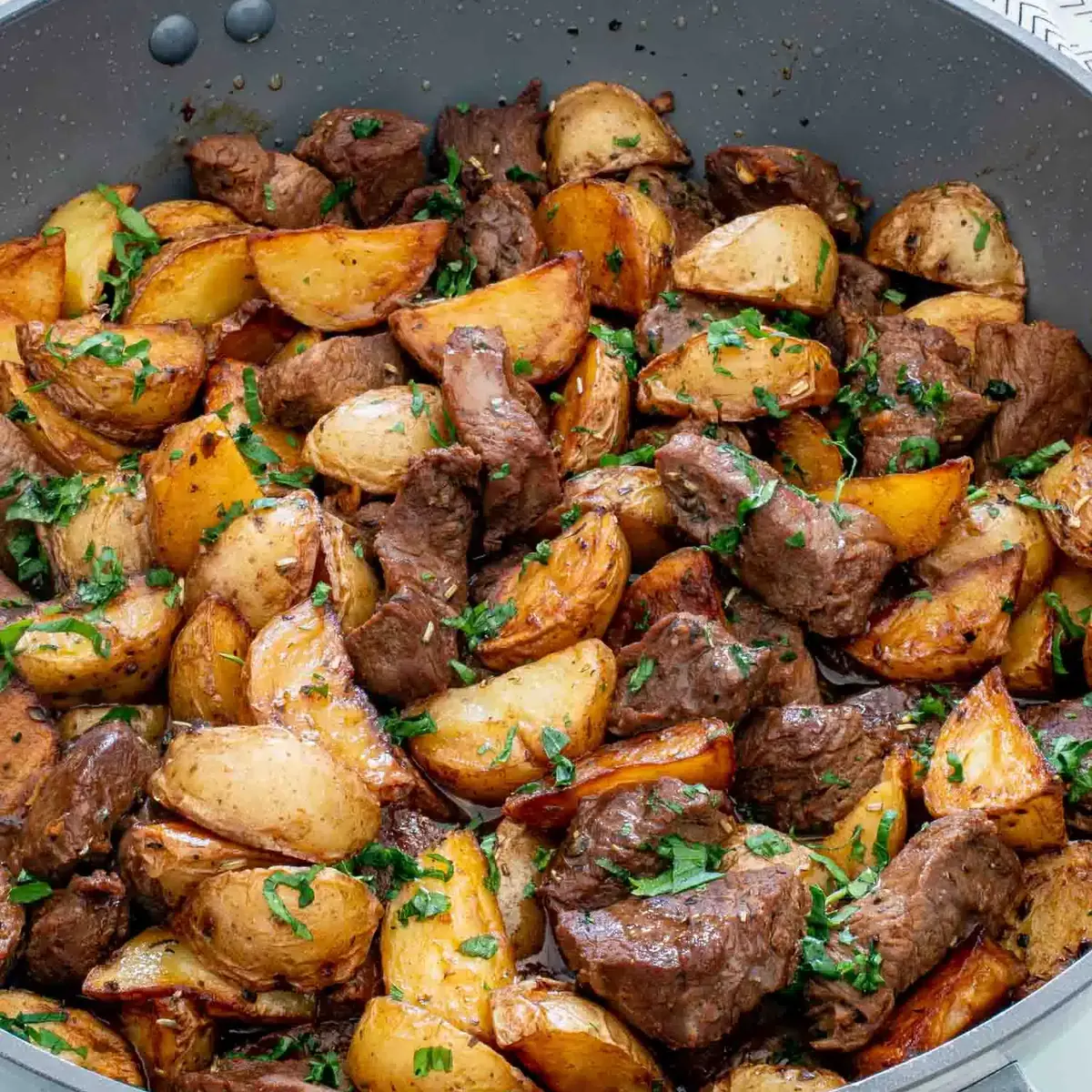
There’s a particular sizzle that fills my kitchen when a cast iron skillet hits the stove, and this Garlic Butter Steak & Potato Skillet is the reason I keep my pan permanently seasoned. After testing this recipe five times, I finally got it just right — the potatoes turn crisp and golden on the outside while staying fluffy within, and the steak develops a beautifully caramelised crust before being bathed in a nutty, aromatic garlic butter. This one-pan meal has become our go-to for busy weeknights when we want something that feels special without a sink full of washing up.
Recipe Overview
- Prep Time: 15 minutes
- Cook Time: 30 minutes
- Total Time: 45 minutes
- Servings: 4
- Difficulty: Medium
Why You’ll Love This Garlic Butter Steak & Potato Skillet
- One pan, minimal fuss: Everything cooks in the same skillet, which means less washing up and more time to enjoy your meal.
- Perfectly cooked steak every time: The method ensures a deep, golden-brown crust while the inside stays tender and juicy — no more dry, overcooked steak.
- Crispy potatoes, every forkful: Parboiling the potatoes before frying gives them that irresistible crunchy exterior and soft, pillowy centre.
- Garlic butter that actually clings: The sauce is thick, glossy, and packed with flavour, coating every piece of steak and every potato wedge.
- Family-friendly and flexible: My kids absolutely devour this every time I make it, and you can easily adjust the seasonings or swap the protein to suit your household.
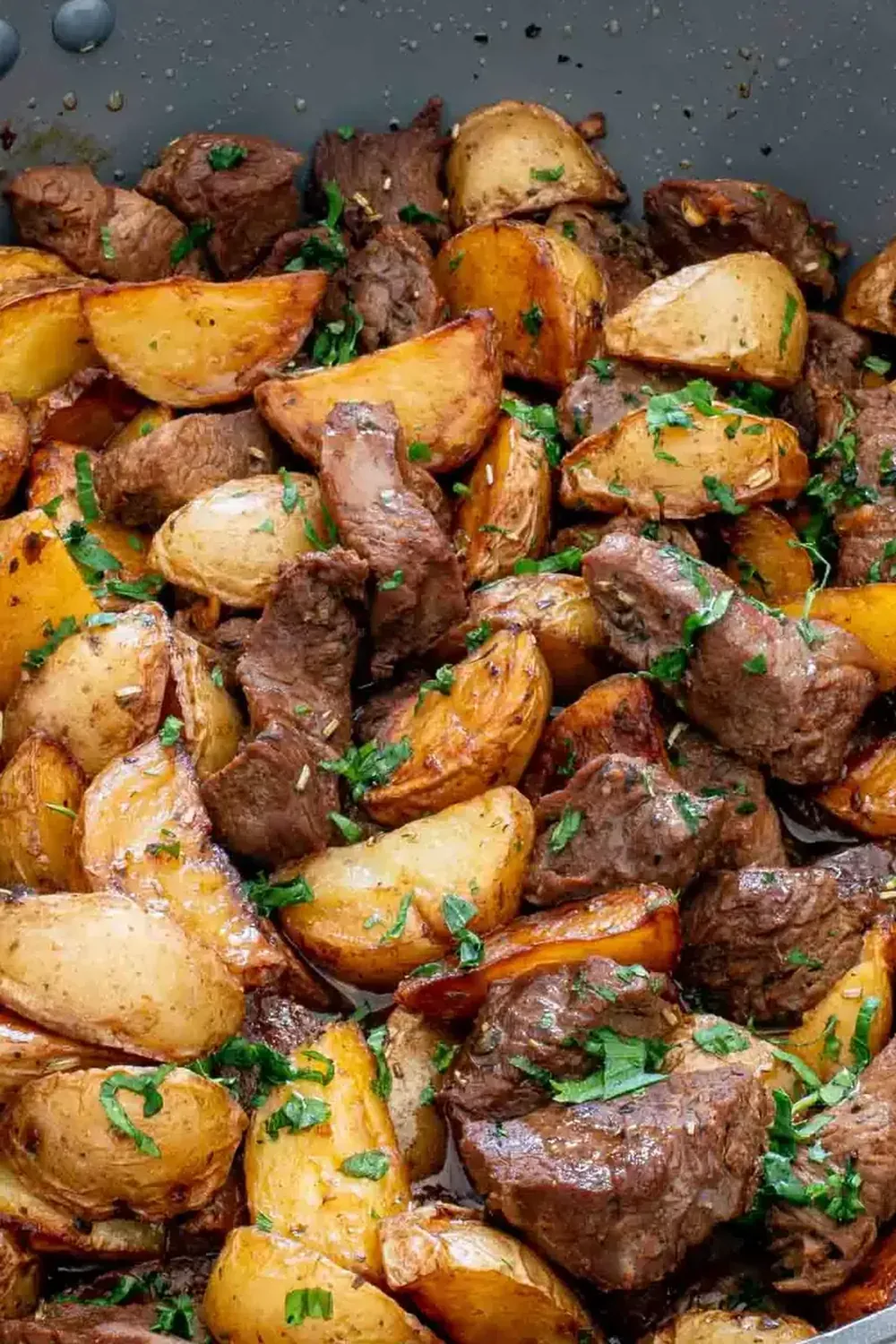
Ingredients You’ll Need
- 600g sirloin or ribeye steak, about 2.5cm thick
- 800g baby potatoes or waxy potatoes, halved or quartered
- 4 tablespoons unsalted butter
- 6 cloves garlic, finely minced
- 2 tablespoons olive oil
- 1 teaspoon sea salt, plus extra for the potatoes
- 1 teaspoon freshly ground black pepper
- 1 teaspoon smoked paprika
- 1 teaspoon dried thyme
- ½ teaspoon onion powder
- 2 tablespoons fresh parsley, finely chopped
- 1 tablespoon fresh lemon juice
- Handful of fresh rosemary sprigs (optional, for aroma)
Tip: Choose steaks of even thickness so they cook uniformly. If your steaks are thicker than 2.5cm, you may need an extra minute or two per side.
Equipment You’ll Need
- Large cast iron skillet or heavy-bottomed frying pan (12-inch / 30cm is ideal)
- Medium saucepan for boiling potatoes
- Sharp chef’s knife
- Cutting board
- Tongs
- Meat thermometer (highly recommended for perfect doneness)
- Slotted spoon
- Small bowl for the garlic butter
How to Make Garlic Butter Steak & Potato Skillet
- First, prepare the potatoes. Place the halved or quartered potatoes in a medium saucepan and cover them with cold water. Add a generous pinch of salt. Bring to a boil over high heat, then reduce to a simmer. Cook for 8-10 minutes until the potatoes are just tender when pierced with a fork — they should offer slight resistance but not feel hard. You’ll notice the water turning slightly cloudy and the potato edges beginning to soften. Drain them well in a colander and let them steam dry for a couple of minutes; this helps them crisp up later.
- Season the steak while the potatoes cook. Pat the steaks dry with kitchen paper — this is crucial for a good sear. Season generously on all sides with the salt, black pepper, smoked paprika, dried thyme, and onion powder. Rub the seasonings into the meat with your fingertips. You’ll see the spices forming a fragrant, dark crust even before cooking. Set the steaks aside at room temperature for 10 minutes; this takes the chill off and promotes even cooking.
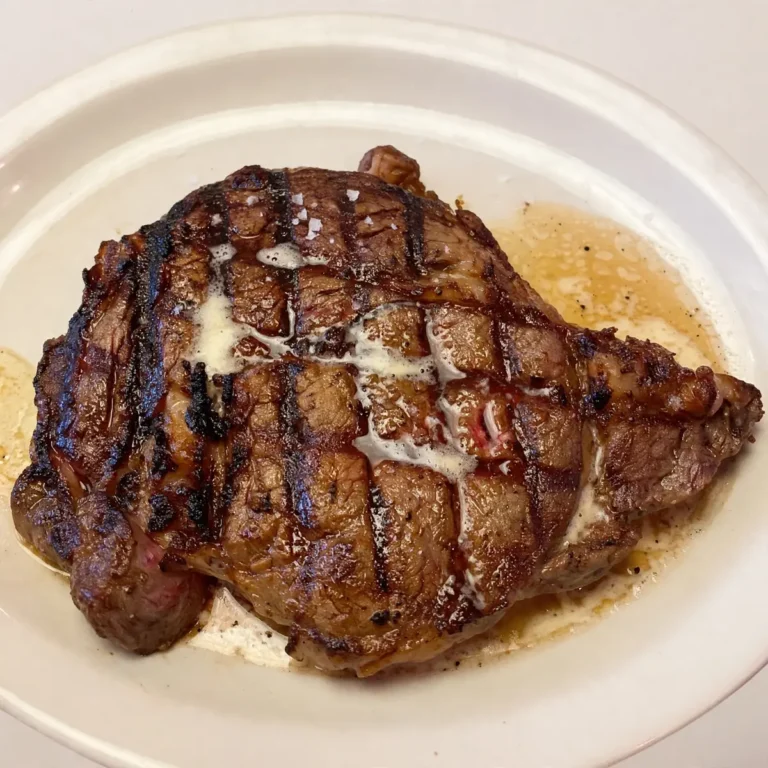
- Get the skillet screaming hot. Place your cast iron skillet over medium-high heat and add 1 tablespoon of olive oil. Wait until the oil shimmers and a single wisp of smoke rises — you should hear a sharp sizzle if you flick a drop of water into the pan. Carefully lay the steaks in the skillet, pressing down gently with tongs to ensure maximum contact. You’ll hear a loud, satisfying hiss as the steak hits the heat. Cook for 4-5 minutes without moving the steak. The underside should turn a deep mahogany brown and develop a crisp crust. Flip the steaks and cook for another 3-4 minutes for medium-rare, or until the internal temperature reaches 52°C (125°F) on your meat thermometer. For medium, aim for 57°C (135°F). The aroma at this point is rich, savoury, and deeply beefy.
- Rest the steak and start the potatoes. Transfer the cooked steaks to a plate and tent loosely with foil. Do not skip this step — the juices need time to redistribute. You’ll see a small pool of reddish juice collecting on the plate, which is a good sign. In the same skillet, reduce the heat to medium and add the remaining 1 tablespoon of olive oil. Carefully add the drained potatoes in a single layer — don’t crowd them. Let them cook undisturbed for 4-5 minutes until the undersides turn a golden brown and feel crisp to the touch. Flip them and continue cooking for another 5-6 minutes, shaking the pan occasionally, until all sides are beautifully browned and the potatoes have a thin, shattering crust. You’ll hear a gentle crackle as they fry.
- Make the garlic butter. Push the potatoes to one side of the skillet. Add the 4 tablespoons of butter to the empty space and let it melt completely. As the butter foams, add the minced garlic and, if using, the rosemary sprigs. Stir the garlic constantly for 30-45 seconds until it becomes fragrant and just begins to turn a pale golden colour — be careful not to let it burn, as burnt garlic turns bitter. The kitchen will fill with a nutty, buttery, herby aroma that’s absolutely intoxicating. Remove the rosemary sprigs if you used them.
- Slice the steak and bring it all together. While the garlic butter is still sizzling, slice the rested steaks against the grain into thick strips, about 1cm wide. You’ll see the interior is perfectly cooked — a rosy pink centre for medium-rare, with the juices staying locked in. Return the sliced steak to the skillet with the potatoes and garlic butter. Toss everything gently with tongs until every piece of steak and every potato wedge is glistening and coated. Drizzle over the fresh lemon juice and sprinkle with the chopped parsley. Toss once more, then remove from the heat immediately. The final dish should look glossy, fragrant, and deeply appetising.
Tips From My Kitchen
- Dry the potatoes thoroughly after boiling: Excess moisture is the enemy of crispiness. After draining, let the potatoes sit in the colander for at least 2-3 minutes, shaking them occasionally. You can even pat them dry with a clean tea towel. When they hit the hot oil, they should sizzle immediately — if they steam instead, they’re too wet and will turn soggy.
- Always bring steak to room temperature before cooking: A cold steak straight from the fridge will lower the pan’s temperature dramatically, leading to steaming rather than searing. Let your seasoned steaks sit out for 15-20 minutes before cooking. The surface will feel slightly tacky to the touch, which is a sign the seasonings have adhered well.
- Don’t move the steak too early: It’s tempting to peek, but the steak needs uninterrupted contact with the hot surface to form that deep, flavourful crust. When it’s ready to flip, it should release easily from the pan without sticking. If it resists, give it another 30 seconds — it will release naturally when the crust is properly formed.
- Use a meat thermometer for consistent results: Visual cues are helpful, but a thermometer removes all guesswork. For medium-rare, pull the steak at 50°C (120°F) because the internal temperature will continue to rise by about 2-3°C during resting. Remember, carry-over cooking is your friend — don’t skip the rest.
- Make the garlic butter at the end, not the beginning: Garlic burns quickly, especially in a hot skillet. By cooking the potatoes first and adding the butter and garlic at the final stage, you ensure the garlic stays sweet and fragrant rather than acrid. The residual heat from the pan will gently cook the garlic to perfection.
- Slice against the grain for tenderness: Look at the lines running through the raw steak — those are the muscle fibres. When you slice perpendicular to those lines, you shorten the fibres, making each bite noticeably more tender. If you slice with the grain, the steak will feel chewy, no matter how well it’s cooked.
Common Mistakes to Avoid
- Overcrowding the pan: If you add too many potatoes at once, they will steam rather than fry, resulting in pale, soft potatoes instead of golden, crispy ones. Cook in batches if necessary — it’s worth the extra minute. The same applies to the steak; cook one or two steaks at a time, leaving at least 2cm of space between them.
- Wrong temperature: Cooking over medium-low heat will never give you that deep, caramelised crust — the steak will grey and toughen before it browns. Conversely, cooking over maximum heat can burn the outside before the inside is done. Aim for medium-high heat, and let the pan preheat for a full 3-4 minutes before adding any food.
- Skipping the rest time: Cutting into a steak straight from the pan releases all those precious juices onto the cutting board, leaving you with dry meat. Resting for 5-10 minutes allows the muscle fibres to relax and reabsorb the juices. The steak will actually be warmer in the centre after resting because the heat has had time to distribute evenly.
Delicious Variations to Try
- Spicy Version: Add 1-2 finely chopped red chillies or 1 teaspoon of chilli flakes to the garlic butter along with the garlic. For extra heat, toss the potatoes with ½ teaspoon of cayenne pepper before frying. The warmth from the chilli cuts through the richness of the butter beautifully.
- Vegetarian/Vegan Option: Replace the steak with thick slices of portobello mushrooms or firm tofu (pressed and sliced into steaks). For the garlic butter, use a good-quality vegan butter or a generous drizzle of olive oil mixed with 1 tablespoon of nutritional yeast for a savoury, cheesy note. The method remains the same, and the mushrooms develop a wonderful meaty texture.
- Different Protein: This recipe works wonderfully with chicken thighs (boneless, skin-on for extra crispiness) or lamb leg steaks. Adjust cooking times accordingly — chicken thighs need about 6-7 minutes per side until the internal temperature reaches 74°C (165°F), while lamb steaks are best served medium-rare at 52°C (125°F). For a seafood twist, try using firm salmon fillets; they pair beautifully with the garlic butter and only need 3-4 minutes per side.
What to Serve With Garlic Butter Steak & Potato Skillet
- A simple green salad with a lemon vinaigrette to cut through the richness.
- Steamed green beans or tenderstem broccoli, tossed with a pinch of salt.
- For a heartier meal, serve alongside a bowl of Creamy Mashed Potatoes — yes, more potatoes, but they’re completely different in texture and utterly delicious together.
- A side of crusty bread to mop up every last drop of the garlic butter.
- If you’re in the mood for a lighter starter, try the Zesty Shrimp Tacos for a vibrant, fresh beginning to the meal.
Frequently Asked Questions
Garlic Butter Steak & Potato Skillet
Ingredients
Method
- First, prepare the potatoes. Place the halved or quartered potatoes in a medium saucepan and cover them with cold water. Add a generous pinch of salt. Bring to a boil over high heat, then reduce to a simmer. Cook for 8-10 minutes until the potatoes are just tender when pierced with a fork — they should offer slight resistance but not feel hard. You'll notice the water turning slightly cloudy and the potato edges beginning to soften. Drain them well in a colander and let them steam dry for a couple of minutes; this helps them crisp up later.
- Season the steak while the potatoes cook. Pat the steaks dry with kitchen paper — this is crucial for a good sear. Season generously on all sides with the salt, black pepper, smoked paprika, dried thyme, and onion powder. Rub the seasonings into the meat with your fingertips. You'll see the spices forming a fragrant, dark crust even before cooking. Set the steaks aside at room temperature for 10 minutes; this takes the chill off and promotes even cooking.
- Get the skillet screaming hot. Place your cast iron skillet over medium-high heat and add 1 tablespoon of olive oil. Wait until the oil shimmers and a single wisp of smoke rises — you should hear a sharp sizzle if you flick a drop of water into the pan. Carefully lay the steaks in the skillet, pressing down gently with tongs to ensure maximum contact. You'll hear a loud, satisfying hiss as the steak hits the heat. Cook for 4-5 minutes without moving the steak. The underside should turn a deep mahogany brown and develop a crisp crust. Flip the steaks and cook for another 3-4 minutes for medium-rare, or until the internal temperature reaches 52°C (125°F) on your meat thermometer. For medium, aim for 57°C (135°F). The aroma at this point is rich, savoury, and deeply beefy.
- Rest the steak and start the potatoes. Transfer the cooked steaks to a plate and tent loosely with foil. Do not skip this step — the juices need time to redistribute. You'll see a small pool of reddish juice collecting on the plate, which is a good sign. In the same skillet, reduce the heat to medium and add the remaining 1 tablespoon of olive oil. Carefully add the drained potatoes in a single layer — don't crowd them. Let them cook undisturbed for 4-5 minutes until the undersides turn a golden brown and feel crisp to the touch. Flip them and continue cooking for another 5-6 minutes, shaking the pan occasionally, until all sides are beautifully browned and the potatoes have a thin, shattering crust. You'll hear a gentle crackle as they fry.
- Make the garlic butter. Push the potatoes to one side of the skillet. Add the 4 tablespoons of butter to the empty space and let it melt completely. As the butter foams, add the minced garlic and, if using, the rosemary sprigs. Stir the garlic constantly for 30-45 seconds until it becomes fragrant and just begins to turn a pale golden colour — be careful not to let it burn, as burnt garlic turns bitter. The kitchen will fill with a nutty, buttery, herby aroma that's absolutely intoxicating. Remove the rosemary sprigs if you used them.
- Slice the steak and bring it all together. While the garlic butter is still sizzling, slice the rested steaks against the grain into thick strips, about 1cm wide. You'll see the interior is perfectly cooked — a rosy pink centre for medium-rare, with the juices staying locked in. Return the sliced steak to the skillet with the potatoes and garlic butter. Toss everything gently with tongs until every piece of steak and every potato wedge is glistening and coated. Drizzle over the fresh lemon juice and sprinkle with the chopped parsley. Toss once more, then remove from the heat immediately. The final dish should look glossy, fragrant, and deeply appetising.
Notes
There’s something deeply satisfying about a meal that comes together in a single pan, with each component complementing the next. This Garlic Butter Steak & Potato Skillet has earned a permanent spot in my weekly rotation, and I hope it becomes a favourite in your kitchen too. If you give it a try, I’d love to hear how it turned out — drop a comment below and let me know if your family loved it as much as mine does. And if you’re looking for another one-pan wonder, don’t miss the Shrimp Scampi Pasta Recipe Dinner for a quick seafood fix that’s just as satisfying.