Italian Beef Sausage & Peppers Skillet
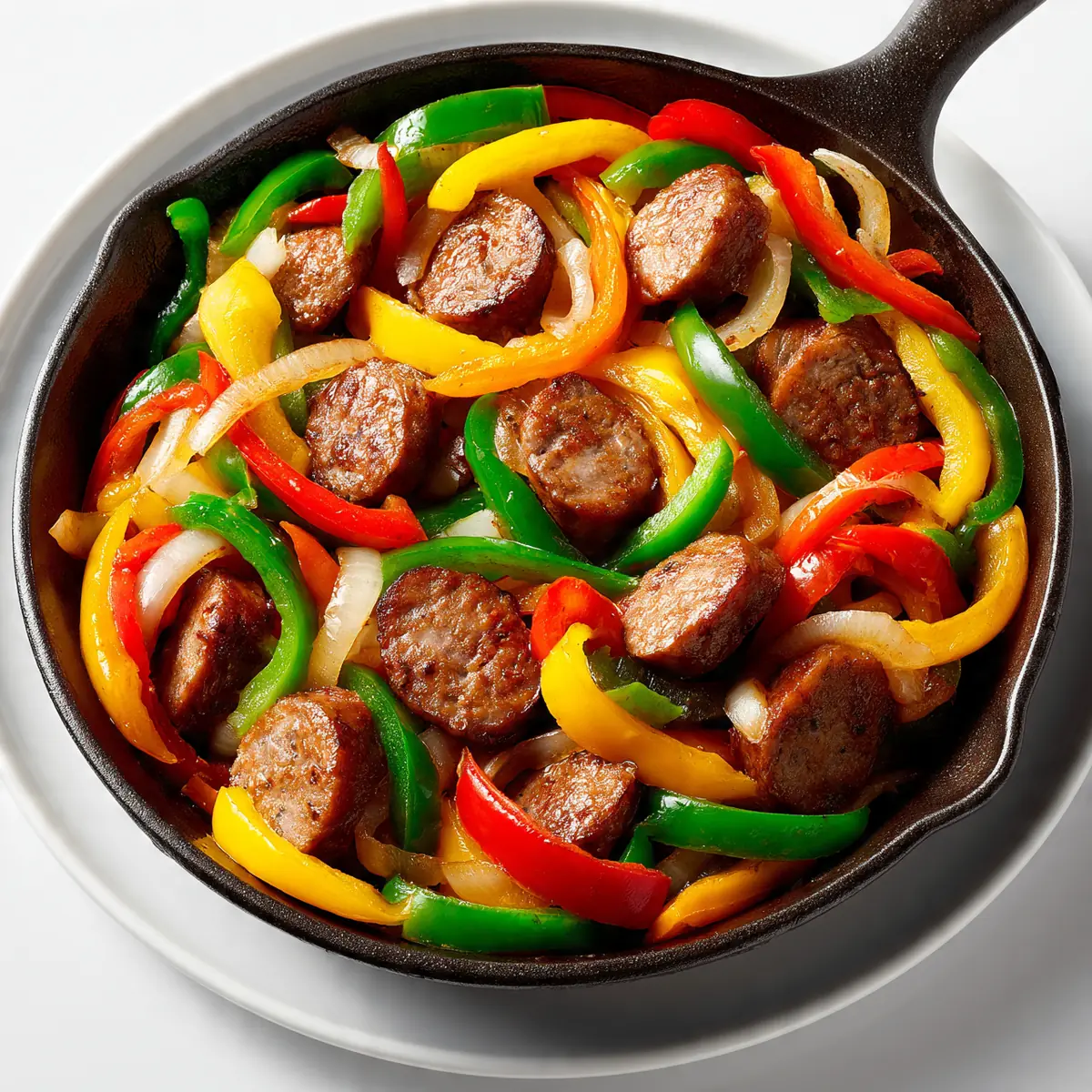
There are some meals that feel like a warm hug after a long day, and for me, this Italian Beef Sausage & Peppers Skillet is exactly that. I still remember the first time I made it; I was trying to recreate the magic of a street fair I’d visited years ago, where the smell of sizzling sausage and sweet peppers filled the air. I’ve been making this for over 8 years, and it never disappoints. It has become my go-to for busy weeknights when I crave something hearty and deeply savoury without a mountain of washing up.
Recipe Overview
- Prep Time: 10 minutes
- Cook Time: 30 minutes
- Total Time: 40 minutes
- Servings: 4
- Difficulty: Easy
Why You’ll Love This Italian Beef Sausage & Peppers Skillet
- One-Pan Wonder: Everything comes together in a single skillet, which means less time scrubbing dishes and more time enjoying your evening.
- Rich, Deep Flavour: The secret lies in building layers — browning the sausages first creates a fond (those delicious browned bits) that infuses the entire dish with a nutty, meaty taste.
- Naturally Gluten-Free: This recipe uses no flour or pasta, making it a satisfying meal for those avoiding gluten without feeling like they’re missing out.
- Customisable to Your Pantry: You can easily swap the vegetables or adjust the herbs based on what you have on hand. It’s a forgiving recipe that still tastes brilliant.
- Perfect for Meal Prep: The flavours actually deepen overnight, so leftovers for lunch the next day are a genuine treat. Simply reheat gently on the hob or in the microwave.
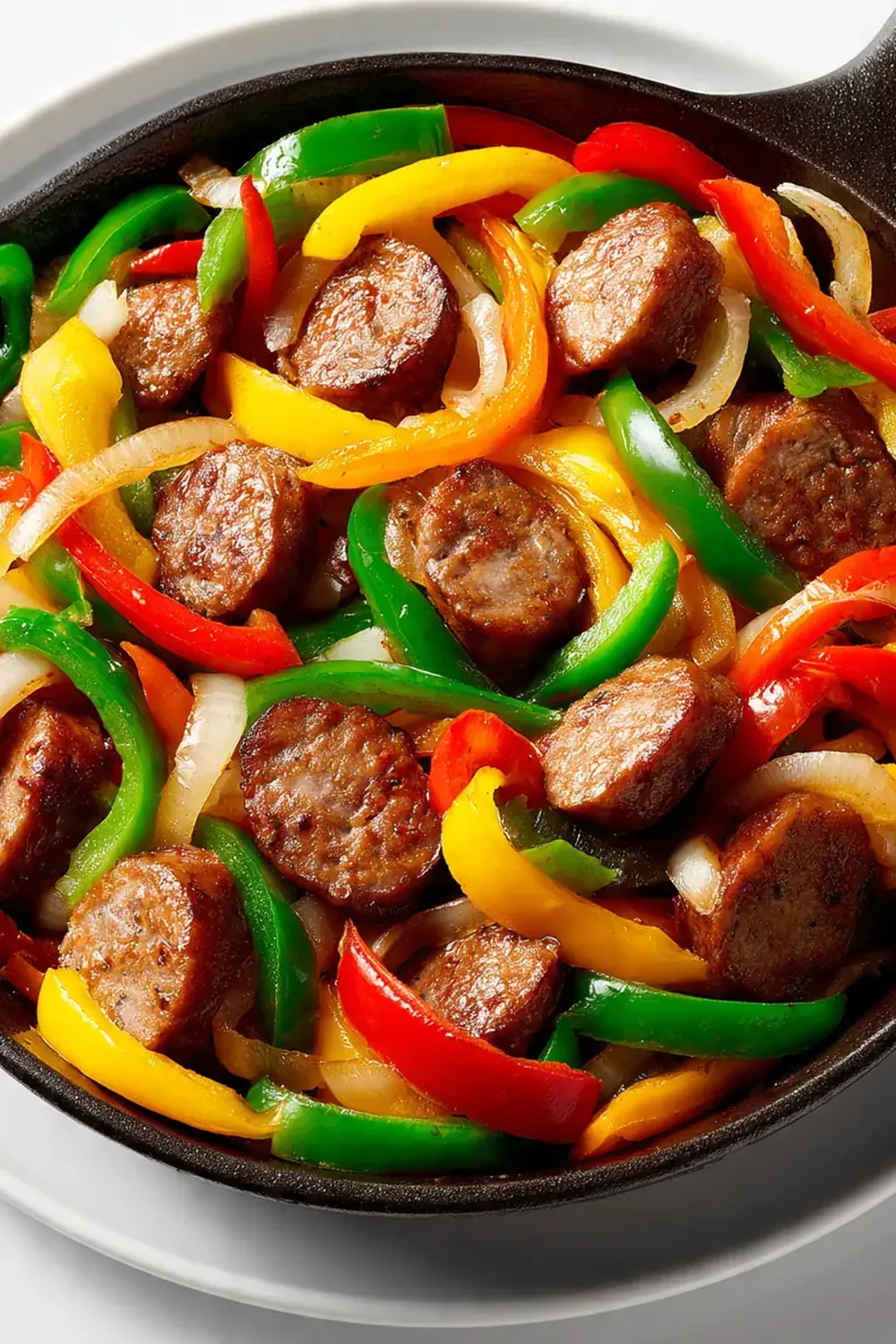
Ingredients You’ll Need
- 1 tablespoon olive oil
- 500g beef sausages (Italian-style, if available)
- 2 large red bell peppers, deseeded and sliced into strips
- 2 large yellow bell peppers, deseeded and sliced into strips
- 1 large onion, halved and sliced into half-moons
- 3 cloves garlic, finely minced
- 1 teaspoon dried oregano
- ½ teaspoon dried thyme
- ½ teaspoon red pepper flakes (optional, for gentle heat)
- 400g can chopped tomatoes
- 125ml beef stock (or chicken stock)
- 1 tablespoon tomato purée
- Salt and freshly ground black pepper, to taste
- Fresh basil leaves, for garnish
Tip: For the best texture, choose sausages with a high meat content (at least 80%). This ensures they remain juicy and don’t dry out during cooking.
How to Make Italian Beef Sausage & Peppers Skillet
- Brown the Sausages: Place your large frying pan or skillet over a medium-high heat and add the olive oil. When the oil shimmers, carefully add the sausages. Cook for 6-8 minutes, turning occasionally, until they are a deep, even golden brown on all sides. You’ll hear a satisfying sizzle, and the kitchen will smell gloriously savoury. Once done, transfer them to a plate — they will finish cooking later.
- Sweat the Aromatics: Reduce the heat to medium. Add the sliced onions and peppers to the pan. Stir them with a wooden spoon, scraping up those browned bits from the bottom of the pan. Cook for 5-7 minutes, until the onions become translucent and the peppers soften, releasing a sweet, fragrant aroma. The pan should look moist, not dry.
- Add the Garlic and Herbs: Stir in the minced garlic, dried oregano, dried thyme, and red pepper flakes (if using). Cook for just 30 seconds, stirring constantly, until the garlic is incredibly fragrant but not burning — you’ll smell it immediately. This step is quick, so don’t walk away.
- Build the Sauce: Pour in the chopped tomatoes and beef stock. Add the tomato purée and stir well to combine. Bring the mixture to a gentle bubble — you’ll see small, lazy bubbles breaking the surface. Season with a pinch of salt and a grind of black pepper.
- Return the Sausages: Nestle the browned sausages back into the pan, partially submerging them in the sauce. Reduce the heat to low, cover the pan with a lid, and let everything simmer gently for 15 minutes. The sauce will thicken slightly, and the sausages will cook through completely. You’ll see the sauce turn a richer, deeper red.
- Finish and Serve: Remove the lid and let it simmer for another 2-3 minutes to allow the sauce to reduce a little more. The peppers should be tender but still hold their shape. Taste the sauce and adjust seasoning if needed. Garnish with fresh basil leaves and serve immediately.
Tips From My Kitchen
- Don’t skip browning the sausages. This isn’t just about cooking the meat; it’s about creating the foundation of flavour. The Maillard reaction (the browning process) produces hundreds of flavour compounds that simply can’t be achieved by boiling or simmering. Those caramelised bits stuck to the pan are liquid gold for your sauce.
- Use the right pan for the job. A heavy-bottomed skillet or frying pan distributes heat evenly, preventing hot spots that can burn your vegetables or sausages. Cast iron or stainless steel are ideal. If you use a non-stick pan, you’ll get less browning on the sausages because it doesn’t conduct heat as efficiently.
- Cut your vegetables uniformly. Aim for strips of pepper and onion that are roughly the same thickness — about 1cm wide. This ensures they cook at the same rate, so you don’t end up with some pieces that are mushy and others that are still crunchy.
- Let the sauce simmer uncovered at the end. The final uncovered simmer is crucial for concentrating the sauce’s flavour. If you skip this, the sauce may be too thin and watery. You’re looking for a consistency where it coats the back of a spoon.
- Toast your herbs for a minute. When you add the dried oregano and thyme to the pan, let them sizzle in the hot oil for about 30 seconds before adding the tomatoes. This ‘blooming’ step awakens the essential oils in the dried herbs, making them taste much more vibrant and aromatic.
- Don’t be shy with the salt. Sausages and peppers benefit from proper seasoning. Taste the sauce before you add the sausages back in, and adjust the salt. Under-seasoned sauce will make the whole dish taste flat.
Equipment You’ll Need
- Large frying pan or skillet (30cm or larger, with a lid)
- Sharp knife and cutting board
- Wooden spoon or spatula
- Measuring spoons
- Can opener
Common Mistakes to Avoid
- Overcrowding the pan: If you add too many sausages or too many vegetables at once, they will steam rather than brown. This robs you of that deep, caramelised flavour. Cook the sausages in a single layer with space between them. If your pan is small, cook them in two batches.
- Wrong temperature: Cooking everything on a high heat will burn the outside of the sausages before the inside is cooked. Conversely, cooking on too low a heat will prevent browning and leave you with pale, sad-looking sausages. Medium-high for browning, then medium-low for simmering is the sweet spot.
- Skipping the rest time: Once the sausages are browned, don’t rush to cut into them or return them to the pan immediately. Letting them rest on a plate for a few minutes allows the juices to redistribute, keeping them tender. Cutting them too early will cause the juices to run out, making them dry.
Delicious Variations to Try
- Spicy Version: To turn up the heat, use spicy beef sausages (look for ones labelled ‘nduja-style or with chilli flakes). You can also add a finely chopped fresh red chilli along with the garlic, or stir in a teaspoon of chilli oil at the end for a vibrant kick.
- Vegetarian/Vegan Option: Swap the beef sausages for a good-quality plant-based sausage. Use vegetable stock instead of beef stock. The cooking method remains exactly the same — just be aware that plant-based sausages may brown faster, so keep an eye on them.
- Different Protein: This recipe works beautifully with thick-cut beef or turkey sausages. If using chicken sausages, they are leaner, so be careful not to overcook them. You can also use boneless, skinless chicken thighs, cut into chunks, and brown them just as you would the sausages.
What to Serve With Italian Beef Sausage & Peppers Skillet
- A crusty loaf of sourdough or ciabatta to soak up every drop of the rich tomato sauce.
- Buttered egg noodles or pappardelle pasta for a heartier meal.
- A simple side salad, like our Fresh Greek Salad Recipe, for a fresh, tangy contrast.
- Polenta, either creamy or grilled, for a lovely Italian-inspired pairing.
- Roasted or steamed green beans — try our Green Bean And Farro Salad Recipe for a more substantial side.
Frequently Asked Questions
Italian Beef Sausage & Peppers Skillet
Ingredients
Method
- Brown the Sausages: Place your large frying pan or skillet over a medium-high heat and add the olive oil. When the oil shimmers, carefully add the sausages. Cook for 6-8 minutes, turning occasionally, until they are a deep, even golden brown on all sides. You'll hear a satisfying sizzle, and the kitchen will smell gloriously savoury. Once done, transfer them to a plate — they will finish cooking later.
- Sweat the Aromatics: Reduce the heat to medium. Add the sliced onions and peppers to the pan. Stir them with a wooden spoon, scraping up those browned bits from the bottom of the pan. Cook for 5-7 minutes, until the onions become translucent and the peppers soften, releasing a sweet, fragrant aroma. The pan should look moist, not dry.
- Add the Garlic and Herbs: Stir in the minced garlic, dried oregano, dried thyme, and red pepper flakes (if using). Cook for just 30 seconds, stirring constantly, until the garlic is incredibly fragrant but not burning — you'll smell it immediately. This step is quick, so don't walk away.
- Build the Sauce: Pour in the chopped tomatoes and beef stock. Add the tomato purée and stir well to combine. Bring the mixture to a gentle bubble — you'll see small, lazy bubbles breaking the surface. Season with a pinch of salt and a grind of black pepper.
- Return the Sausages: Nestle the browned sausages back into the pan, partially submerging them in the sauce. Reduce the heat to low, cover the pan with a lid, and let everything simmer gently for 15 minutes. The sauce will thicken slightly, and the sausages will cook through completely. You'll see the sauce turn a richer, deeper red.
- Finish and Serve: Remove the lid and let it simmer for another 2-3 minutes to allow the sauce to reduce a little more. The peppers should be tender but still hold their shape. Taste the sauce and adjust seasoning if needed. Garnish with fresh basil leaves and serve immediately.
Notes
I hope this recipe becomes a staple in your kitchen, just as it has in mine. It’s the kind of dish that feels special enough for a weekend dinner but is simple enough for a Tuesday night. I’d love to hear how yours turns out — come back and share your thoughts, or tell me about any tweaks you made to make it your own. Happy cooking!