Garlic Herb Prime Rib Roast (Show-Stopping Dinner)
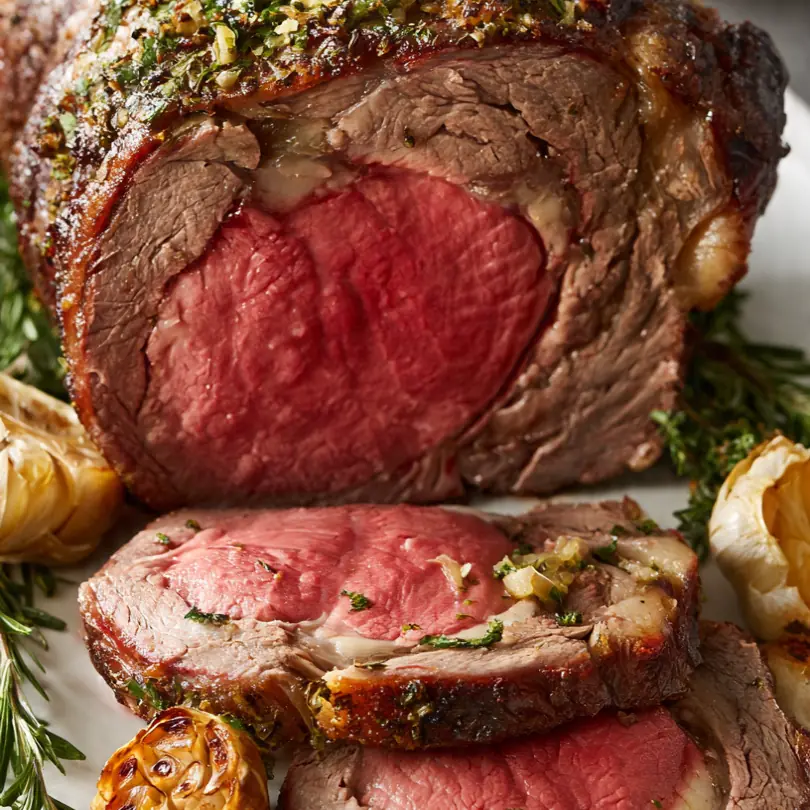
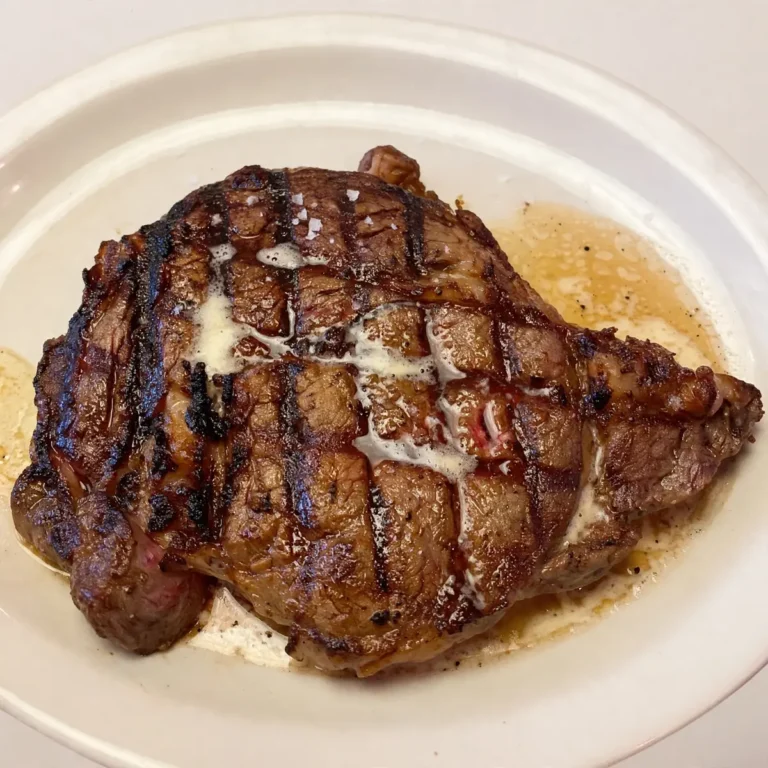
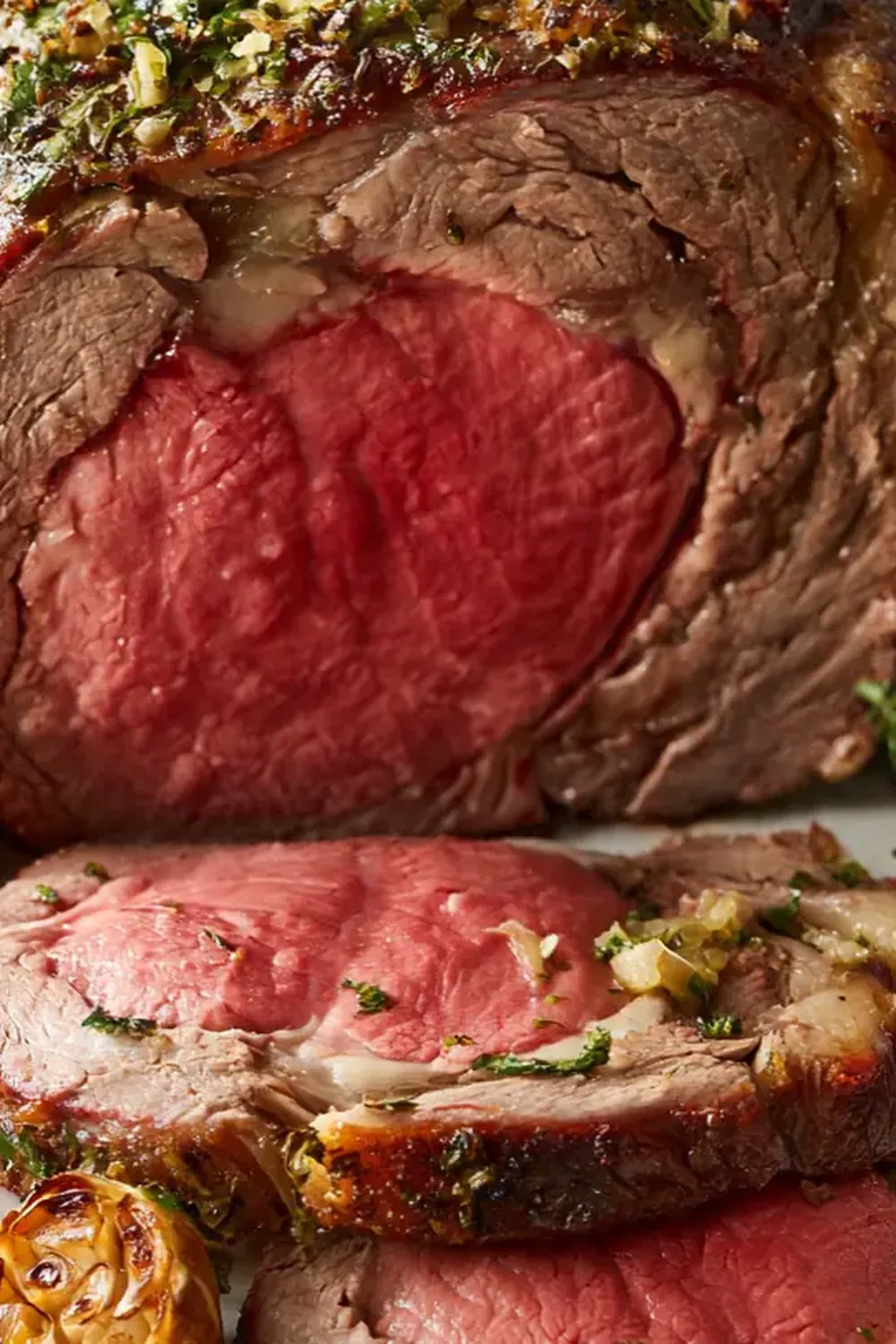
There are some dishes that simply command attention, and a beautifully roasted prime rib is undoubtedly one of them. This Garlic Herb Prime Rib Roast isn’t just a meal; it’s a statement, a show-stopping centrepiece that transforms any dinner into a truly memorable event. I’ve spent years honing this particular recipe, always aiming for that perfect balance of a deeply browned crust and incredibly tender, juicy meat within.
Recipe Overview
- Prep Time: 30 minutes
- Resting Time: 1-2 hours (at room temperature) + 20-30 minutes (after roasting)
- Cook Time: 2-3 hours (depending on size and desired doneness)
- Total Time: Approximately 4-5 hours
- Servings: 8-10 people
- Difficulty: Intermediate
Why You’ll Love This Garlic Herb Prime Rib Roast (Show-Stopping Dinner)
- Unforgettable Flavour Profile: The generous coating of garlic and fresh herbs creates a deeply aromatic crust that infuses every slice with incredible taste.
- Impressive Presentation: A golden-brown prime rib, carved at the table, is guaranteed to elicit gasps of delight and admiration from your guests.
- Remarkably Tender & Juicy: With the right techniques, this roast yields meat that is unbelievably succulent, practically melting in your mouth.
- Perfect for Special Occasions: Whether it’s a festive holiday, a birthday, or simply a desire to elevate a weekend dinner, this dish rises to the occasion.
- Rewarding Culinary Experience: While it requires attention to detail, the process of creating such a magnificent roast is incredibly satisfying for any home cook.
Ingredients You’ll Need
- 2.5-3 kg boneless prime rib roast (or ribeye roast), well-trimmed
- 6-8 cloves garlic, minced
- 2 tablespoons fresh rosemary, finely chopped
- 2 tablespoons fresh thyme, finely chopped
- 1 tablespoon fresh sage, finely chopped
- 80 ml olive oil
- 2 tablespoons Dijon mustard
- 2 teaspoons coarse sea salt
- 1 teaspoon freshly ground black pepper
- 1 large onion, roughly chopped
- 2 carrots, roughly chopped
- 2 celery stalks, roughly chopped
- 500 ml beef broth or stock
- 2 tablespoons plain flour (for gravy, optional)
- Water or more broth (for gravy, optional)
Tip: Always opt for fresh herbs for this recipe; their vibrant aromas and oils make a significant difference to the final flavour compared to dried herbs.
How to Make Garlic Herb Prime Rib Roast (Show-Stopping Dinner)
- Prepare the Roast: Remove the prime rib from the refrigerator at least 1-2 hours before roasting to bring it closer to room temperature. This is crucial for even cooking. Pat the roast thoroughly dry with paper towels – a dry surface is essential for achieving that beautiful, crispy crust.
- Create the Herb Rub: In a small bowl, combine the minced garlic, chopped rosemary, thyme, sage, olive oil, Dijon mustard, sea salt, and black pepper. Mix until a fragrant, thick paste forms. The aroma will be quite invigorating at this stage, a promise of the flavours to come.
- Apply the Rub: Generously spread the garlic herb paste all over the entire surface of the prime rib. Don’t be shy; ensure every crevice is covered. Gently massage the rub into the meat. This will create a wonderful, aromatic coating that will crisp up beautifully in the oven.
- Sear the Roast: Preheat a large, oven-safe frying pan or skillet over medium-high heat until it’s very hot and just begins to smoke. Place the roast fat-side down in the hot pan. Sear for 3-4 minutes until a deep golden-brown crust forms on the bottom. Turn the roast and sear all sides, including the ends, until each side has developed a rich, caramelised colour. You’ll hear a satisfying sizzle as the meat makes contact with the hot pan, and the kitchen will fill with a savoury, roasted aroma.
- Roast in the Oven: Transfer the seared prime rib to a large roasting tin, fat side up. Scatter the chopped onion, carrots, and celery around the base of the tin. Pour the beef broth into the tin, around the vegetables, not over the roast. Place the roasting tin into a preheated oven at 190°C (375°F) for 15 minutes, then reduce the temperature to 135°C (275°F) and continue to roast. For a medium-rare roast, cook until an internal temperature of 52-54°C (125-130°F) is reached; for medium, aim for 57-60°C (135-140°F). Use a meat thermometer inserted into the thickest part of the roast, avoiding bone. This slow roasting method ensures incredibly tender results. The meat will develop a deeper brown exterior, and the vegetables will soften and sweeten in the broth.
- Rest and Serve: Once the desired internal temperature is reached, remove the prime rib from the oven. Transfer it to a clean cutting board, tent loosely with foil, and let it rest for at least 20-30 minutes. This resting period is absolutely critical; it allows the juices to redistribute throughout the meat, ensuring every slice is wonderfully tender and moist. While resting, you can make a gravy from the pan drippings. After resting, carve the roast against the grain into thick, impressive slices. The interior will reveal a beautiful rosy hue, and the meat will be exceptionally tender as your knife glides through it.
Tips From My Kitchen
- Bring to Room Temperature: This might seem like an extra step, but allowing your prime rib to sit out for 1-2 hours before roasting is genuinely transformative. A cold roast hitting a hot oven will cook unevenly, often resulting in overcooked outer edges and a raw centre. Bringing it closer to room temperature allows for more consistent heat penetration, ensuring a perfectly cooked roast from edge to edge.
- Pat Dry, Always: Before applying any rub or searing, pat the entire surface of your prime rib thoroughly dry with paper towels. Moisture on the surface will steam the meat rather than sear it, preventing the formation of that gorgeous, flavourful crust we’re aiming for. A dry surface is key to the Maillard reaction, which creates those deep, savoury, browned notes.
- Sear for Flavour and Colour: Don’t skip the searing step! Searing creates a rich, caramelised crust that locks in juices and adds an incredible depth of flavour that can’t be achieved by roasting alone. It’s the first layer of texture and taste for your Garlic Herb Prime Rib Roast.
- Use a Reliable Meat Thermometer: This is your best friend when roasting prime rib. Guessing doneness is a recipe for disappointment. An instant-read thermometer ensures you hit your desired internal temperature precisely, preventing overcooking or undercooking. Remember, the roast will continue to cook slightly (carryover cooking) during the resting period, so remove it from the oven a few degrees below your target.
- The Importance of Resting: I used to struggle with dry roasts until I discovered the absolute necessity of resting the meat. When meat cooks, its muscle fibres contract, squeezing juices towards the centre. If you cut into it immediately, all those precious juices will flood out onto your cutting board. Resting allows the fibres to relax and reabsorb those juices, resulting in a much juicier, more tender roast. My husband, who’s usually picky, asked for seconds the first time I properly rested a roast!
- Consider a Roasting Rack: While not strictly essential if you’re using vegetables in the tin, a roasting rack can promote more even cooking by allowing hot air to circulate all around the roast. It also keeps the bottom of the meat from sitting in its own juices, which helps maintain a crispy crust.
Equipment You’ll Need
- Large frying pan or skillet (oven-safe)
- Sharp knife and cutting board
- Mixing bowls
- Wooden spoon or spatula
- Large roasting tin
- Meat thermometer (instant-read is best)
- Aluminium foil
Common Mistakes to Avoid
- Overcrowding the pan (during searing): If your prime rib is too large for your frying pan, sear it in batches, or use a larger pan. Overcrowding lowers the pan’s temperature, causing the meat to steam rather than sear, resulting in a pale, grey exterior instead of a beautiful, browned crust.
- Wrong temperature: Roasting at too high a temperature for the entire cooking time can lead to a dry exterior and unevenly cooked interior. Follow the initial high-heat sear then low-heat roast method. For a 2.5-3 kg roast, aim for an internal temperature of 52-54°C (125-130°F) for medium-rare before resting.
- Skipping the rest time: Cutting into the roast immediately after removing it from the oven is a common pitfall. Resting allows the meat’s internal temperature to even out and, more importantly, permits the muscle fibres to relax and reabsorb the delicious juices, ensuring every slice is succulent and tender.
What to Serve With Garlic Herb Prime Rib Roast (Show-Stopping Dinner)
- Creamy Mashed Potatoes
- Roasted Asparagus with Lemon
- Yorkshire Puddings
- Glazed Carrots with Thyme
- A crisp green salad with a light vinaigrette
- Steamed Green Beans
Frequently Asked Questions
Garlic Herb Prime Rib Roast (Show-Stopping Dinner)
Ingredients
Method
- Prepare the Roast: Remove the prime rib from the refrigerator at least 1-2 hours before roasting to bring it closer to room temperature. This is crucial for even cooking. Pat the roast thoroughly dry with paper towels – a dry surface is essential for achieving that beautiful, crispy crust.
- Create the Herb Rub: In a small bowl, combine the minced garlic, chopped rosemary, thyme, sage, olive oil, Dijon mustard, sea salt, and black pepper. Mix until a fragrant, thick paste forms. The aroma will be quite invigorating at this stage, a promise of the flavours to come.
- Apply the Rub: Generously spread the garlic herb paste all over the entire surface of the prime rib. Don't be shy; ensure every crevice is covered. Gently massage the rub into the meat. This will create a wonderful, aromatic coating that will crisp up beautifully in the oven.
- Sear the Roast: Preheat a large, oven-safe frying pan or skillet over medium-high heat until it's very hot and just begins to smoke. Place the roast fat-side down in the hot pan. Sear for 3-4 minutes until a deep golden-brown crust forms on the bottom. Turn the roast and sear all sides, including the ends, until each side has developed a rich, caramelised colour. You'll hear a satisfying sizzle as the meat makes contact with the hot pan, and the kitchen will fill with a savoury, roasted aroma.
- Roast in the Oven: Transfer the seared prime rib to a large roasting tin, fat side up. Scatter the chopped onion, carrots, and celery around the base of the tin. Pour the beef broth into the tin, around the vegetables, not over the roast. Place the roasting tin into a preheated oven at 190°C (375°F) for 15 minutes, then reduce the temperature to 135°C (275°F) and continue to roast. For a medium-rare roast, cook until an internal temperature of 52-54°C (125-130°F) is reached; for medium, aim for 57-60°C (135-140°F). Use a meat thermometer inserted into the thickest part of the roast, avoiding bone. This slow roasting method ensures incredibly tender results. The meat will develop a deeper brown exterior, and the vegetables will soften and sweeten in the broth.
- Rest and Serve: Once the desired internal temperature is reached, remove the prime rib from the oven. Transfer it to a clean cutting board, tent loosely with foil, and let it rest for at least 20-30 minutes. This resting period is absolutely critical; it allows the juices to redistribute throughout the meat, ensuring every slice is wonderfully tender and moist. While resting, you can make a gravy from the pan drippings. After resting, carve the roast against the grain into thick, impressive slices. The interior will reveal a beautiful rosy hue, and the meat will be exceptionally tender as your knife glides through it.
Notes
There you have it – my tried-and-true method for creating a truly magnificent Garlic Herb Prime Rib Roast. This dish is not just about feeding people; it’s about bringing joy and creating those cherished moments around the table. It takes a little care, but the rewards are absolutely worth it. Give this a try for your next special occasion, and I promise you won’t be disappointed. Do let me know in the comments below if you tried this recipe and how it turned out!