Ingredients
Method
- Bring a large pot of generously salted water to a rolling boil. Add the linguine and cook until al dente — about 1 minute less than the packet suggests. The pasta should feel firm to the bite, with a tiny white dot at the centre when you break a strand. Reserve 250ml of the starchy pasta water before draining, then drain the pasta in a colander and set aside. The water should smell pleasantly of wheat and salt.
- While the pasta boils, pat the prawns completely dry with kitchen paper. This step is critical — any moisture will prevent that golden crust from forming. Season them lightly with salt, pepper, and a pinch of smoked paprika. The prawns should feel dry and slightly tacky to the touch.
- Heat 2 tablespoons of olive oil in a large frying pan over medium-high heat until it shimmers. You should see faint wisps of smoke rising from the surface. Add the prawns in a single layer — do not crowd them, or they'll steam rather than sear. Cook for 90 seconds per side until they turn opaque with pink edges and develop deep golden-brown patches. The sound should be a vigorous sizzle. Transfer the prawns to a plate and set aside. They will finish cooking later in the sauce.
- Reduce the heat to medium and add the remaining tablespoon of olive oil. The pan will still be hot, so the oil should ripple immediately. Add the shallot and cook for 2 minutes until softened and translucent, stirring frequently. The aroma should be sweet and gentle, not sharp. Add the minced garlic and cook for 30 seconds until fragrant — the smell will become noticeably richer and more pungent. Do not let the garlic brown, as it will turn bitter.
- Stir in the tomato paste and smoked paprika. Cook for 1 minute, stirring constantly. The paste will darken from bright red to a deeper brick colour, and the oil will take on an orange tint. This step concentrates the flavour and removes any raw, tinny taste from the paste.
- Pour in the chicken stock and bring it to a gentle simmer. Use a wooden spoon to scrape up any browned bits from the bottom of the pan — those little flecks are packed with flavour. Let the stock reduce by half, which should take about 2 minutes. The liquid will look darker and slightly syrupy when it's ready.
- Lower the heat to low and pour in the double cream. Stir gently until the sauce is smooth and homogenous. Add the reserved pasta water, 60ml at a time, stirring after each addition. The sauce should be thin enough to coat the back of a spoon but not watery — it will thicken further as it cools. The colour will be a warm, pale coral. Taste and adjust the salt and pepper.
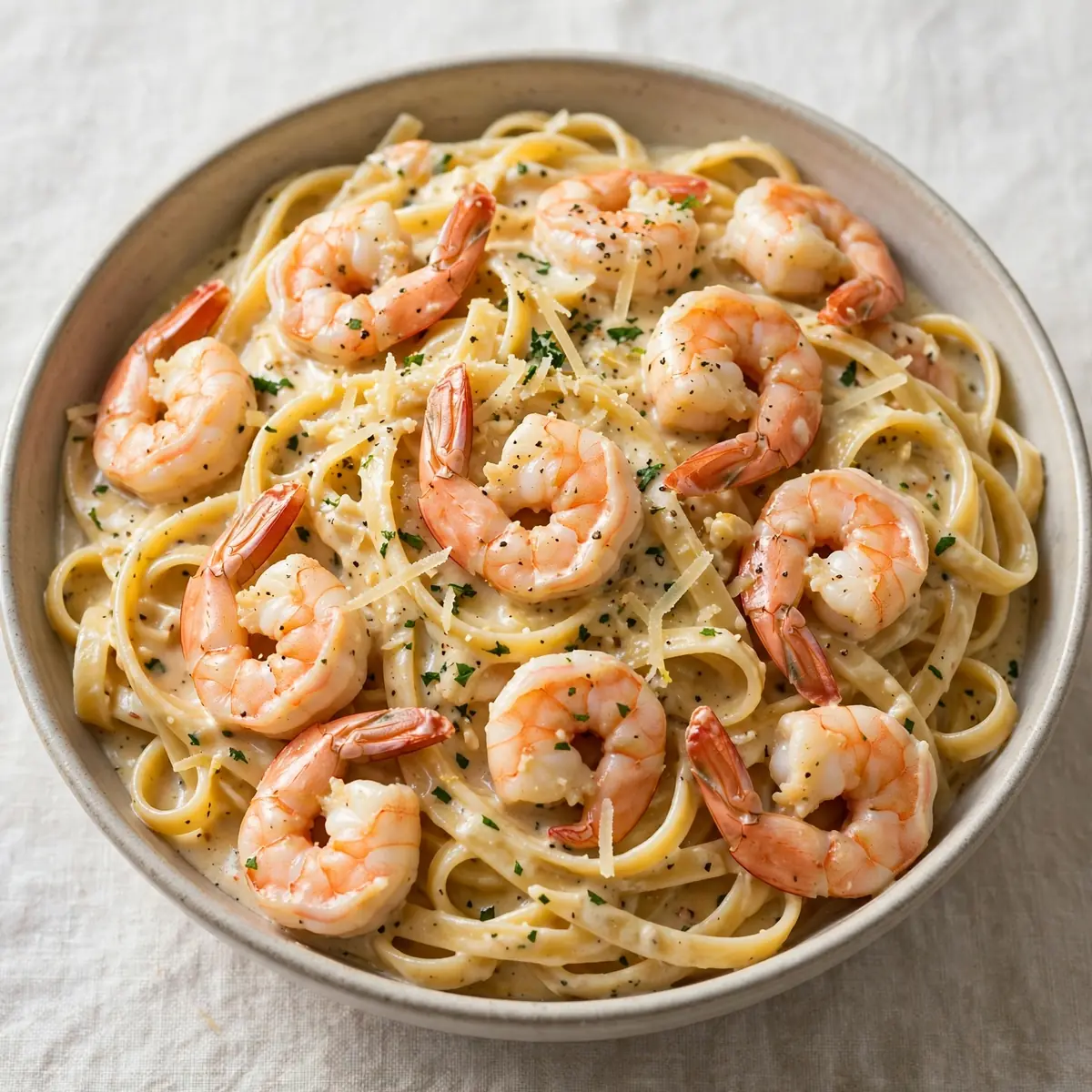
- Add the drained pasta and return the prawns to the pan. Use tongs to toss everything together, lifting and turning the pasta to coat every strand. The sauce will cling to the pasta and the prawns will warm through in about 1 minute. Squeeze the lemon juice over the top and scatter the parsley. The final dish should look glossy and well-dressed, with the sauce pooling slightly at the bottom of the pan but not flooding it.
Notes
Reserve extra pasta water to adjust sauce consistency if needed. For best results, ensure prawns are thoroughly dried before searing.