Creamy Shrimp Pasta
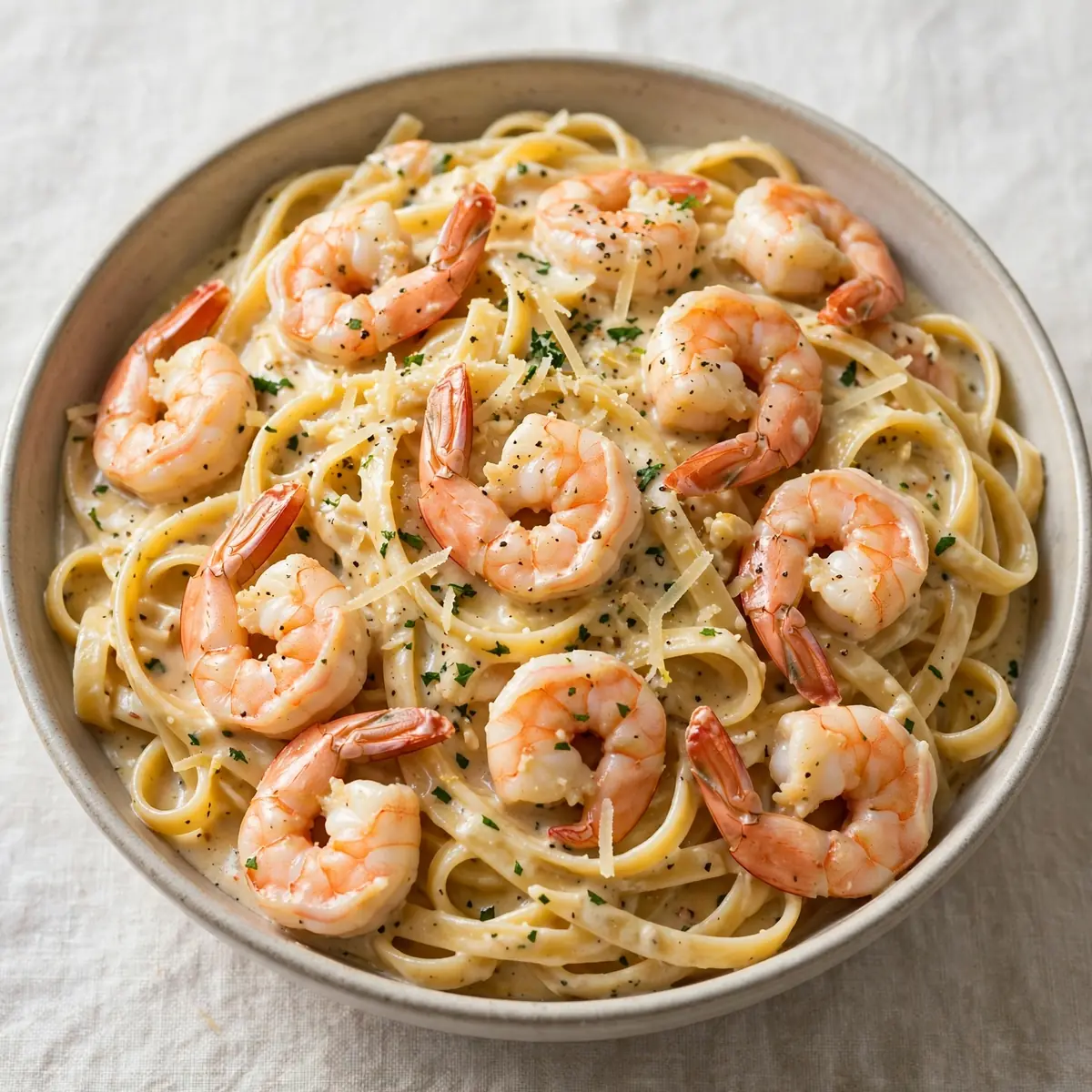
I still remember the silence that fell across the dining table the first time I served this creamy shrimp pasta. It was that specific hush where everyone is too busy eating to speak — the highest compliment a cook can receive. Friends always ask me for this recipe after trying it at dinner parties, and this version, with its velvety sauce and perfectly seared prawns, is the one I turn to when I want to make an impression without spending all day in the kitchen.
Recipe Overview
- Prep Time: 15 minutes
- Cook Time: 20 minutes
- Total Time: 35 minutes
- Servings: 4 generous portions
- Difficulty: Medium — achievable for a confident home cook
Why You’ll Love This Creamy Shrimp Pasta
- Restaurant-worthy presentation: The golden sear on the prawns and the glossy sauce make this dish look like it came from a professional kitchen. My husband, who’s usually picky, asked for seconds the first time I made it.
- Luxurious texture without heaviness: The sauce coats each strand of pasta beautifully, using a clever combination of cream and pasta water to achieve that silky consistency without feeling greasy.
- Simple ingredients, sophisticated result: There’s no long list of obscure items here — just good-quality basics that come together into something far greater than the sum of their parts.
- Perfect for entertaining: You can prep all your ingredients in advance, then cook the dish in under half an hour while your guests watch. It feels like a special occasion meal without the stress.
- Customisable heat level: The base recipe is mild and elegant, but you can easily dial up the warmth for those who like a kick. It adapts to your crowd effortlessly.
Ingredients You’ll Need
- 400g dried linguine or fettuccine
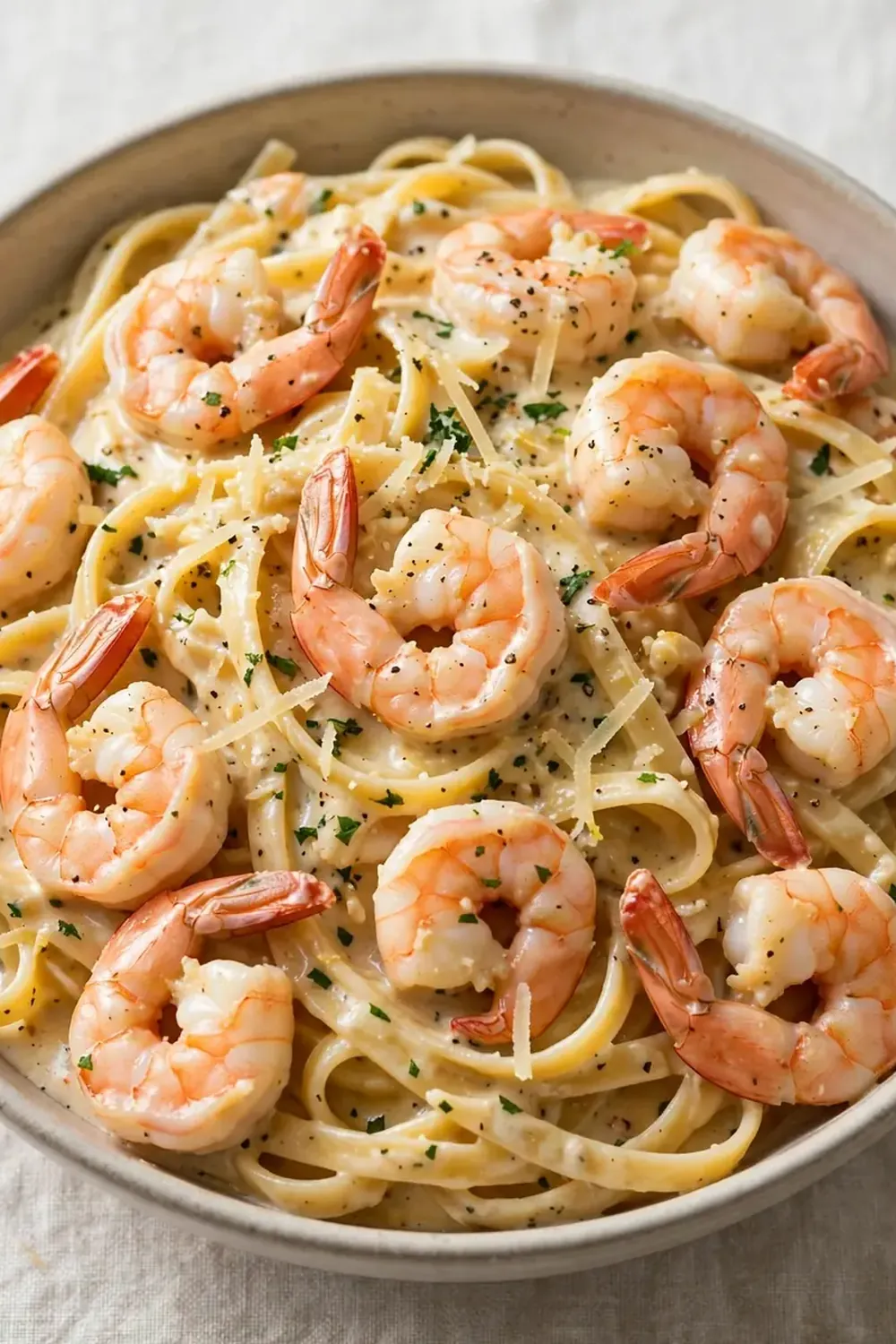
- 500g raw king prawns, peeled and deveined (tails left on for presentation)
- 3 tablespoons olive oil, divided
- 4 cloves garlic, finely minced
- 1 small shallot, finely diced (about 30g)
- 250ml double cream
- 120ml chicken or vegetable stock
- 60g freshly grated Parmesan cheese
- 1 tablespoon tomato paste
- ½ teaspoon smoked paprika
- ¼ teaspoon cayenne pepper (optional, for warmth)
- Salt and freshly cracked black pepper, to taste
- 2 tablespoons fresh parsley, finely chopped
- Juice of half a lemon
- Extra Parmesan and parsley for serving
Tip: For the best flavour, buy raw prawns with shells on and peel them yourself. The pre-cooked variety can turn rubbery when reheated in the sauce, and you lose that beautiful caramelisation you get from searing raw prawns in hot oil.
How to Make Creamy Shrimp Pasta
- Bring a large pot of generously salted water to a rolling boil. Add the linguine and cook until al dente — about 1 minute less than the packet suggests. The pasta should feel firm to the bite, with a tiny white dot at the centre when you break a strand. Reserve 250ml of the starchy pasta water before draining, then drain the pasta in a colander and set aside. The water should smell pleasantly of wheat and salt.
- While the pasta boils, pat the prawns completely dry with kitchen paper. This step is critical — any moisture will prevent that golden crust from forming. Season them lightly with salt, pepper, and a pinch of smoked paprika. The prawns should feel dry and slightly tacky to the touch.
- Heat 2 tablespoons of olive oil in a large frying pan over medium-high heat until it shimmers. You should see faint wisps of smoke rising from the surface. Add the prawns in a single layer — do not crowd them, or they’ll steam rather than sear. Cook for 90 seconds per side until they turn opaque with pink edges and develop deep golden-brown patches. The sound should be a vigorous sizzle. Transfer the prawns to a plate and set aside. They will finish cooking later in the sauce.
- Reduce the heat to medium and add the remaining tablespoon of olive oil. The pan will still be hot, so the oil should ripple immediately. Add the shallot and cook for 2 minutes until softened and translucent, stirring frequently. The aroma should be sweet and gentle, not sharp. Add the minced garlic and cook for 30 seconds until fragrant — the smell will become noticeably richer and more pungent. Do not let the garlic brown, as it will turn bitter.
- Stir in the tomato paste and smoked paprika. Cook for 1 minute, stirring constantly. The paste will darken from bright red to a deeper brick colour, and the oil will take on an orange tint. This step concentrates the flavour and removes any raw, tinny taste from the paste.
- Pour in the chicken stock and bring it to a gentle simmer. Use a wooden spoon to scrape up any browned bits from the bottom of the pan — those little flecks are packed with flavour. Let the stock reduce by half, which should take about 2 minutes. The liquid will look darker and slightly syrupy when it’s ready.
- Lower the heat to low and pour in the double cream. Stir gently until the sauce is smooth and homogenous. Add the reserved pasta water, 60ml at a time, stirring after each addition. The sauce should be thin enough to coat the back of a spoon but not watery — it will thicken further as it cools. The colour will be a warm, pale coral. Taste and adjust the salt and pepper.
- Add the drained pasta and return the prawns to the pan. Use tongs to toss everything together, lifting and turning the pasta to coat every strand. The sauce will cling to the pasta and the prawns will warm through in about 1 minute. Squeeze the lemon juice over the top and scatter the parsley. The final dish should look glossy and well-dressed, with the sauce pooling slightly at the bottom of the pan but not flooding it.
Tips From My Kitchen
- Reserve more pasta water than you think you need: The starchy water is the secret to a silky sauce that clings to pasta rather than pooling at the bottom of the bowl. Start with 60ml and add more as needed. The starch helps emulsify the cream and cheese, preventing that grainy, separated look that can happen when dairy gets too hot.
- Grate your own Parmesan from a block: Pre-grated cheese contains anti-caking agents like cellulose, which prevent it from melting smoothly. Freshly grated Parmesan dissolves into the sauce, giving it body and a subtle nuttiness. Use the fine side of a box grater for a texture that melts almost instantly.
- Cook the pasta very al dente: The pasta will continue to cook for about a minute in the hot sauce. If you cook it fully in the water, it will turn soft and mushy by the time it reaches the plate. You want that slight resistance in the centre, which provides a pleasant contrast to the creamy sauce.
- Let the prawns rest after searing: When you remove them from the pan, they’ll continue cooking from residual heat. If you put them back in the sauce too early, they can overcook and become tough. Returning them at the very end means they just warm through, staying plump and juicy.
- Warm your serving bowls: This is one of those small restaurant touches that makes a big difference. Pop your bowls in a low oven (about 100°C) for 5 minutes before plating. Cold bowls will cause the sauce to seize up and lose its glossy appearance. Warm bowls keep everything fluid and inviting.
- Taste and adjust acidity at the end: Creamy sauces can sometimes feel flat. The lemon juice at the final stage brightens everything, cutting through the richness. Add it gradually, tasting as you go, until the sauce has a subtle tang that makes you want another bite.
Equipment You’ll Need
- Large pot for boiling pasta (at least 5 litres capacity)
- Colander for draining
- Large frying pan or skillet (30cm diameter works well)
- Tongs or pasta fork for tossing
- Wooden spoon for stirring the sauce
- Box grater for the Parmesan
- Measuring jug for pasta water
- Kitchen paper for drying the prawns
Common Mistakes to Avoid
- Overcrowding the pan when searing the prawns: If you pile too many prawns into the pan at once, the temperature drops dramatically. Instead of searing, they release moisture and begin to steam. This leaves them pale, rubbery, and devoid of that appealing golden crust. Cook them in two batches if necessary, giving the pan time to come back up to temperature between batches.
- Adding the cream over high heat: High heat causes the cream to separate into greasy butterfat and watery liquid. You end up with an oily, broken sauce that looks unappetising. Keep the heat on low when you add the cream, and stir gently. The sauce should barely simmer, not boil aggressively.
- Skipping the rest time before serving: This dish needs about 2 minutes off the heat before you plate it. During this brief rest, the sauce continues to thicken slightly and the flavours meld together. If you serve it immediately, the sauce will be too thin and will slide off the pasta rather than clinging to it.
Delicious Variations to Try
- Spicy Version: Add ½ teaspoon of red pepper flakes along with the garlic, and increase the cayenne pepper to ½ teaspoon. For even more heat, stir in a finely chopped fresh red chilli at the same stage. The warmth builds gradually and pairs beautifully with the sweetness of the prawns.
- Vegetarian/Vegan Option: Replace the prawns with 300g of sliced mushrooms (chestnut or portobello work well) and use a plant-based double cream alternative. Swap the Parmesan for a good-quality vegan hard cheese or nutritional yeast. The mushrooms provide an earthy, meaty texture that stands up well to the creamy sauce.
- Different Protein: Diced chicken breast or firm tofu can replace the prawns. For chicken, cut into bite-sized pieces and cook through completely before setting aside. For tofu, press it dry, cube it, and sear until golden on all sides. The cooking times will vary slightly, so adjust accordingly.
What to Serve With Creamy Shrimp Pasta
- A crisp green salad with a sharp lemon vinaigrette to cut through the richness
- Garlic bread or crusty sourdough for mopping up every last drop of sauce
- Steamed asparagus or tenderstem broccoli, lightly dressed with olive oil and salt
- If you’re in the mood for something lighter to start, this Cozy Light Lentil Soup makes an excellent first course before the pasta
Still hungry for ideas? You might also love Jamaican Shrimp Rasta Pasta, Tasty Marry Me Shrimp Pasta Delicious Easy from our sister kitchens.
Frequently Asked Questions
Creamy Shrimp Pasta
Ingredients
Method
- Bring a large pot of generously salted water to a rolling boil. Add the linguine and cook until al dente — about 1 minute less than the packet suggests. The pasta should feel firm to the bite, with a tiny white dot at the centre when you break a strand. Reserve 250ml of the starchy pasta water before draining, then drain the pasta in a colander and set aside. The water should smell pleasantly of wheat and salt.
- While the pasta boils, pat the prawns completely dry with kitchen paper. This step is critical — any moisture will prevent that golden crust from forming. Season them lightly with salt, pepper, and a pinch of smoked paprika. The prawns should feel dry and slightly tacky to the touch.
- Heat 2 tablespoons of olive oil in a large frying pan over medium-high heat until it shimmers. You should see faint wisps of smoke rising from the surface. Add the prawns in a single layer — do not crowd them, or they'll steam rather than sear. Cook for 90 seconds per side until they turn opaque with pink edges and develop deep golden-brown patches. The sound should be a vigorous sizzle. Transfer the prawns to a plate and set aside. They will finish cooking later in the sauce.
- Reduce the heat to medium and add the remaining tablespoon of olive oil. The pan will still be hot, so the oil should ripple immediately. Add the shallot and cook for 2 minutes until softened and translucent, stirring frequently. The aroma should be sweet and gentle, not sharp. Add the minced garlic and cook for 30 seconds until fragrant — the smell will become noticeably richer and more pungent. Do not let the garlic brown, as it will turn bitter.
- Stir in the tomato paste and smoked paprika. Cook for 1 minute, stirring constantly. The paste will darken from bright red to a deeper brick colour, and the oil will take on an orange tint. This step concentrates the flavour and removes any raw, tinny taste from the paste.
- Pour in the chicken stock and bring it to a gentle simmer. Use a wooden spoon to scrape up any browned bits from the bottom of the pan — those little flecks are packed with flavour. Let the stock reduce by half, which should take about 2 minutes. The liquid will look darker and slightly syrupy when it's ready.
- Lower the heat to low and pour in the double cream. Stir gently until the sauce is smooth and homogenous. Add the reserved pasta water, 60ml at a time, stirring after each addition. The sauce should be thin enough to coat the back of a spoon but not watery — it will thicken further as it cools. The colour will be a warm, pale coral. Taste and adjust the salt and pepper.
- Add the drained pasta and return the prawns to the pan. Use tongs to toss everything together, lifting and turning the pasta to coat every strand. The sauce will cling to the pasta and the prawns will warm through in about 1 minute. Squeeze the lemon juice over the top and scatter the parsley. The final dish should look glossy and well-dressed, with the sauce pooling slightly at the bottom of the pan but not flooding it.
Notes
There’s something truly special about serving a dish that looks as though it took hours of labour, yet comes together in a single pan in under forty minutes. When you plate this creamy shrimp pasta — twirling the linguine into neat nests, arranging the prawns on top with their tails pointing upward, and finishing with a dusting of parsley and a final shaving of Parmesan — you’re not just feeding people. You’re giving them an experience, a moment at the table that feels considered and generous. I’d love to hear how it turns out for you. If you’re looking for another impressive yet straightforward dish to add to your entertaining repertoire, this Creamy Chicken Patties Recipe has a similar elegant feel with minimal fuss. Drop a comment below and let me know how your guests reacted — I have a feeling you’ll be hearing that same happy silence I remember so well.