Sizzle Into the Weekend With a Copycat Texas Roadhouse Ribeye
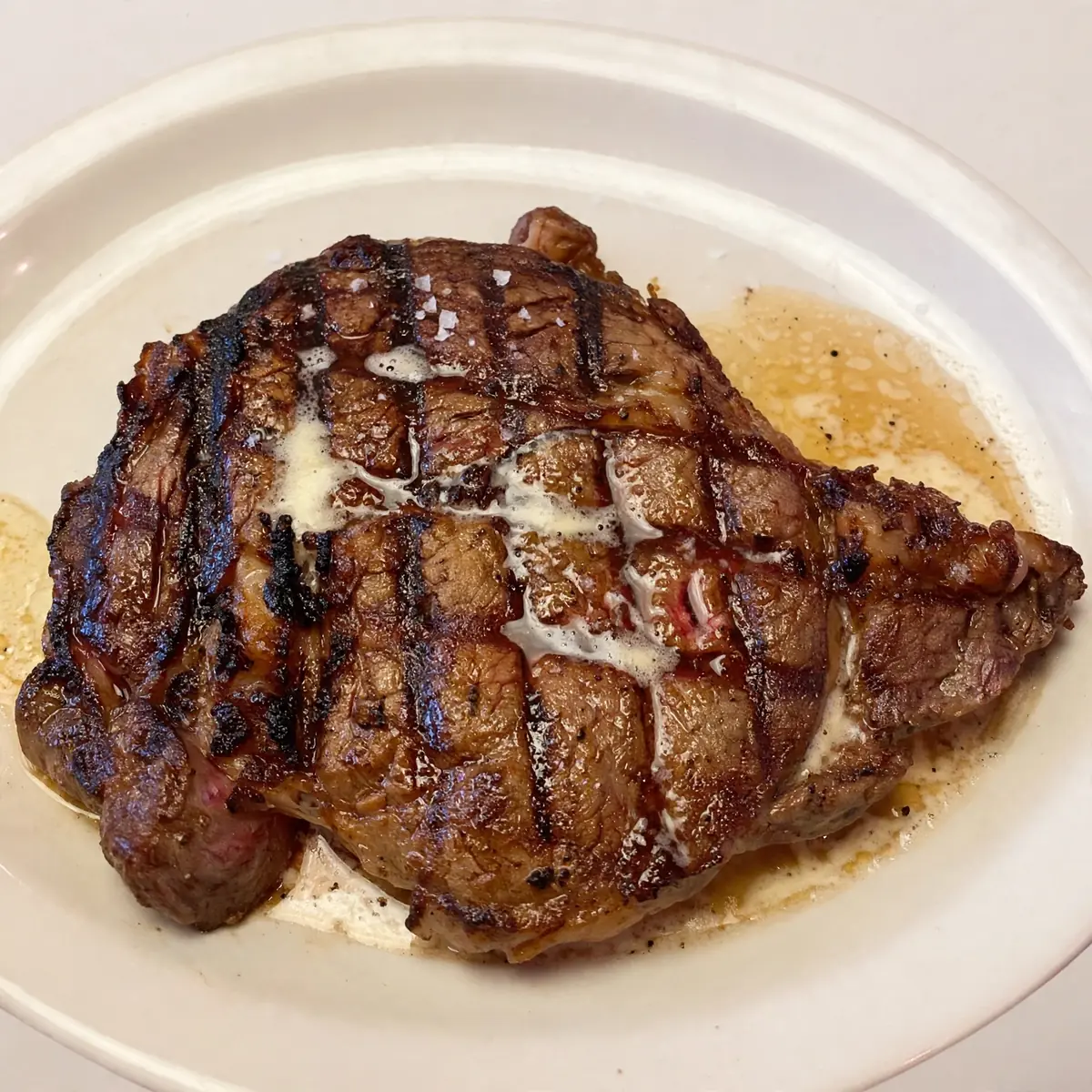
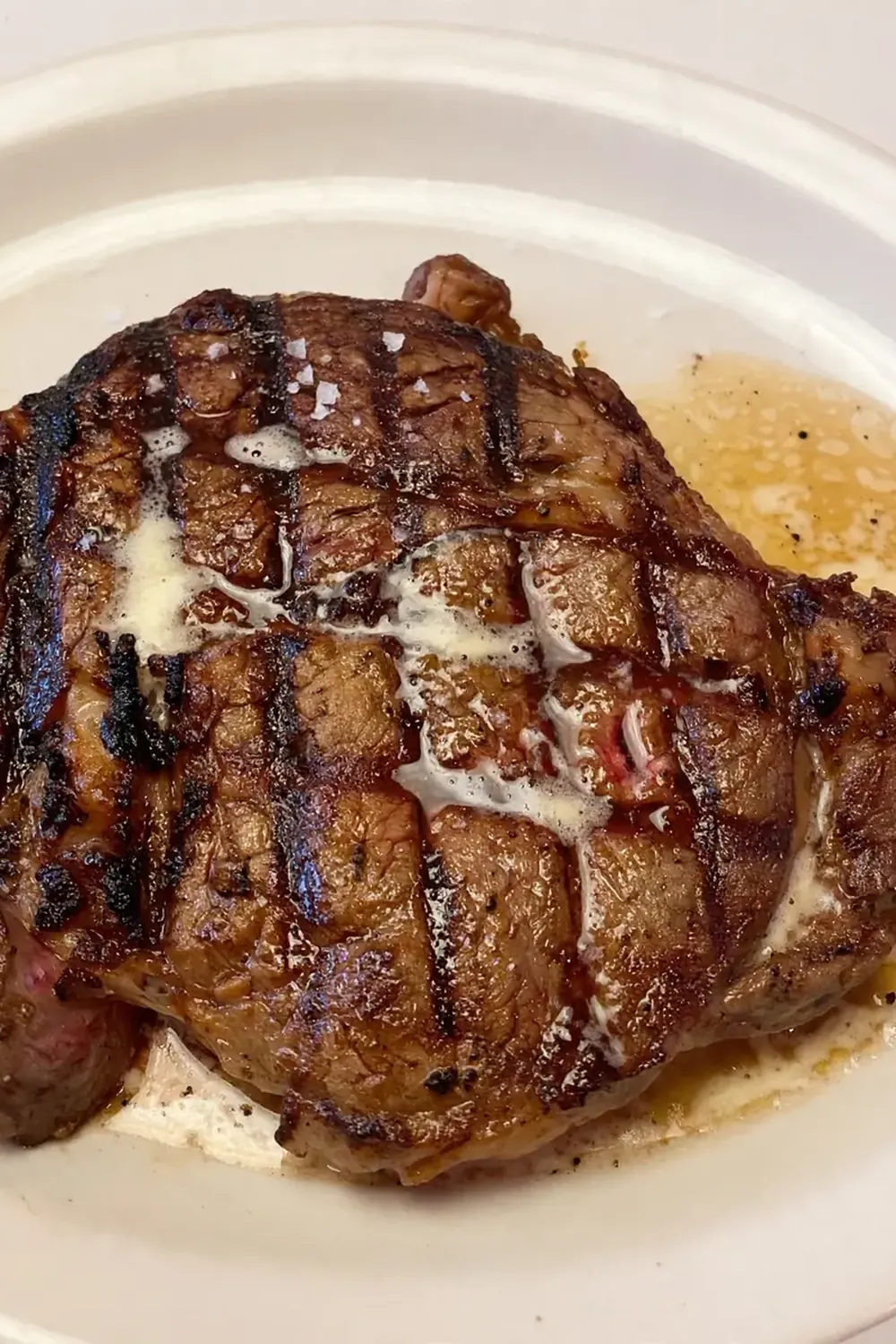
There are some weekends that call for a slow, deliberate kind of cooking—a project that fills the house with the scent of sizzling butter and herbs, where the only rush is the anticipation of the first bite. This Copycat Texas Roadhouse Hand-Cut Ribeye Steak is my go-to for those quiet Saturday evenings when I want to treat my family to something special without leaving the comfort of my own kitchen. It’s about chasing that perfect crust and a tender, buttery interior, all while enjoying the process as much as the meal itself.
Recipe Overview
- Prep Time: 15 minutes (plus 1 hour for resting the steak)
- Cook Time: 12–15 minutes
- Total Time: 1 hour 30 minutes
- Servings: 2 generous steaks
- Difficulty: Medium
Why You’ll Love This Copycat Texas Roadhouse Hand-Cut Ribeye Steak
- That Signature Crust: We achieve a deeply caramelised, peppery crust that locks in all the natural juices, mimicking the steakhouse finish perfectly, a technique also perfected in our Quick Grilled Sirloin Steak with Garlic Butter recipe.
- Butter-Basted Finish: The final basting with garlic and thyme-infused butter creates a luscious, restaurant-quality sheen and flavour.
- Simple, Honest Ingredients: No complicated marinades or exotic spices—just good beef, salt, pepper, and butter doing the heavy lifting.
- Customisable Doneness: I’ll guide you through the internal temperatures so you can nail medium-rare or medium, whatever you prefer.
- A Weekend Ritual: This recipe encourages you to slow down, listen to the steak sizzle, and enjoy the sensory journey from counter to plate.
Ingredients You’ll Need
- 2 ribeye steaks, about 2.5 cm thick and 300 g each, at room temperature
- 1 tablespoon neutral oil (such as vegetable or sunflower)
- 1½ teaspoons flaky sea salt
- 1 teaspoon freshly cracked black pepper
- 3 tablespoons unsalted butter
- 3 cloves garlic, smashed
- 3 sprigs fresh rosemary
- 4 sprigs fresh thyme
Tip: Let your steaks sit uncovered on a wire rack in the fridge for a few hours before cooking. This dries the surface, which is the secret to that incredible crust we’re after.
How to Make Copycat Texas Roadhouse Hand-Cut Ribeye Steak
- Bring the Steaks to Temperature: Remove your ribeyes from the fridge and let them sit on a plate, uncovered, for at least 45 minutes. You’ll feel the surface become dry to the touch, which is exactly what we want.
- Season Generously: Pat the steaks dry with kitchen paper. Sprinkle both sides with the sea salt and cracked black pepper. You’ll see the salt crystals begin to glisten as they draw out moisture.
- Heat Your Pan or Grill: Place a heavy cast-iron skillet or grill pan over high heat for a full 5 minutes. Add the neutral oil and swirl to coat. You’ll see the oil shimmer and just begin to smoke—that’s your cue to act.
- Sear the First Side: Lay the steaks carefully into the hot pan, pressing down gently with tongs. Leave them undisturbed for 4 minutes. Listen for a loud, steady sizzle; the aroma of browning beef will fill your kitchen.
- Flip and Add the Aromatics: Flip the steaks—they should release easily and have a deep, mahogany-brown crust. Immediately add the butter, smashed garlic, rosemary, and thyme to the pan. You’ll hear the butter hiss and foam, and the fragrant smell of garlic and herbs will bloom.
- Baste to Finish: Tilt the pan slightly so the melted butter pools at one side. Use a large spoon to baste the steaks continuously for another 3–4 minutes. The butter will turn a light nutty brown, and the steaks will feel firmer when you press them with your finger.
- Check the Temperature: Insert a meat thermometer into the thickest part of the steak. For medium-rare, remove at 52°C; for medium, remove at 57°C. You’ll see the juices begin to bead on the surface.
- Rest, Then Serve: Transfer the steaks to a cutting board, spoon the herb butter over the top, and tent loosely with foil. Rest for 8–10 minutes. During this time, the juices will recede back into the meat, and the internal temperature will rise a final 2–3 degrees.
Tips From My Kitchen
- Dry the Surface, Not the Inside: Patting the steak dry with paper towels removes surface moisture that would otherwise steam the meat. Dry surface equals a golden, crunchy crust.
- Don’t Skimp on the Resting Time: This is the most common mistake. If you cut into a steak immediately, all those precious juices run onto the cutting board. I always set a timer for 10 minutes—it’s worth the wait.
- Use a Heavy Pan: A thin pan loses heat the moment the cold steak hits it. A cast-iron or heavy stainless-steel pan holds its temperature, giving you a consistent sear without the steak stewing in its own juices.
- Trust Your Fingers, But Verify with a Thermometer: The finger-poke test is a good skill, but a reliable instant-read thermometer removes all guesswork. It’s the only way to guarantee your preferred doneness every single time.
- Season from a Height: When salting, hold your hand about 30 cm above the steak. This distributes the salt evenly, preventing a few bites from being overly salty while others are bland.
Equipment You’ll Need
- Grill or grill pan
- Meat thermometer
- Tongs
- Basting brush
Common Mistakes to Avoid
- Overcrowding the pan: If you put two steaks in a pan that’s too small, they’ll release moisture and steam instead of searing. Use a large pan, or cook in batches. The sizzle should be loud and individual, not a muffled hiss.
- Wrong temperature: A pan that isn’t hot enough will simply grey the steak rather than creating a crust. Heat your pan for a full 5 minutes on high, and only add the oil right before the steak. You should see the oil ripple and smoke lightly.
- Skipping the rest time: Cutting into a steak after only a minute or two is heartbreaking. The fibres are still tense and the juices are mobile. Let the steak rest for at least half the cooking time—it allows the meat to relax and reabsorb its own juices.
Delicious Variations to Try
- Spicy Version: Add a generous pinch of smoked paprika and a teaspoon of chipotle chilli flakes to the salt and pepper mix. The smoky heat complements the buttery richness of the ribeye beautifully.
- Vegetarian/Vegan Option: Use thick slices of portobello mushrooms or a block of firm halloumi (or vegan halloumi alternative). Sear them in the same butter and herb mixture, basting as you would the steak. The texture and umami are surprisingly satisfying.
- Different Protein: This method works wonderfully with a thick-cut sirloin or a fillet steak. Adjust the cooking time based on thickness—a 4 cm fillet will need a few extra minutes in the pan after searing, finished in a 180°C oven.
What to Serve With Copycat Texas Roadhouse Hand-Cut Ribeye Steak
- Lightly steamed green beans tossed with lemon zest and flaked almonds
- Buttery mashed potatoes with a hint of roasted garlic
- Our Fresh Greek Salad Recipe for a crisp, tangy contrast
- Creamy creamed spinach with a touch of nutmeg
- A side of Air Fryer Sweet Potato Fries Recipe for a healthier, crispy accompaniment
Still hungry for ideas? You might also love Texas Roadhouse Steak Seasoning Copycat, Copycat Texas Roadhouse Steak Fries from our sister kitchens.
Frequently Asked Questions
Copycat Texas Roadhouse Hand-Cut Ribeye Steak
Ingredients
Method
- Bring the Steaks to Temperature: Remove your ribeyes from the fridge and let them sit on a plate, uncovered, for at least 45 minutes. You’ll feel the surface become dry to the touch, which is exactly what we want.
- Season Generously: Pat the steaks dry with kitchen paper. Sprinkle both sides with the sea salt and cracked black pepper. You’ll see the salt crystals begin to glisten as they draw out moisture.
- Heat Your Pan or Grill: Place a heavy cast-iron skillet or grill pan over high heat for a full 5 minutes. Add the neutral oil and swirl to coat. You’ll see the oil shimmer and just begin to smoke—that’s your cue to act.
- Sear the First Side: Lay the steaks carefully into the hot pan, pressing down gently with tongs. Leave them undisturbed for 4 minutes. Listen for a loud, steady sizzle; the aroma of browning beef will fill your kitchen.
- Flip and Add the Aromatics: Flip the steaks—they should release easily and have a deep, mahogany-brown crust. Immediately add the butter, smashed garlic, rosemary, and thyme to the pan. You’ll hear the butter hiss and foam, and the fragrant smell of garlic and herbs will bloom.
- Baste to Finish: Tilt the pan slightly so the melted butter pools at one side. Use a large spoon to baste the steaks continuously for another 3–4 minutes. The butter will turn a light nutty brown, and the steaks will feel firmer when you press them with your finger.
- Check the Temperature: Insert a meat thermometer into the thickest part of the steak. For medium-rare, remove at 52°C; for medium, remove at 57°C. You’ll see the juices begin to bead on the surface.
- Rest, Then Serve: Transfer the steaks to a cutting board, spoon the herb butter over the top, and tent loosely with foil. Rest for 8–10 minutes. During this time, the juices will recede back into the meat, and the internal temperature will rise a final 2–3 degrees.
Notes
I’d love to hear how your weekend steak project turns out. Drop a comment below and let me know if you nailed that perfect crust, or if you tried one of the variations. Happy cooking, friends!