Quick Weeknight Baked Macaroni And Cheese
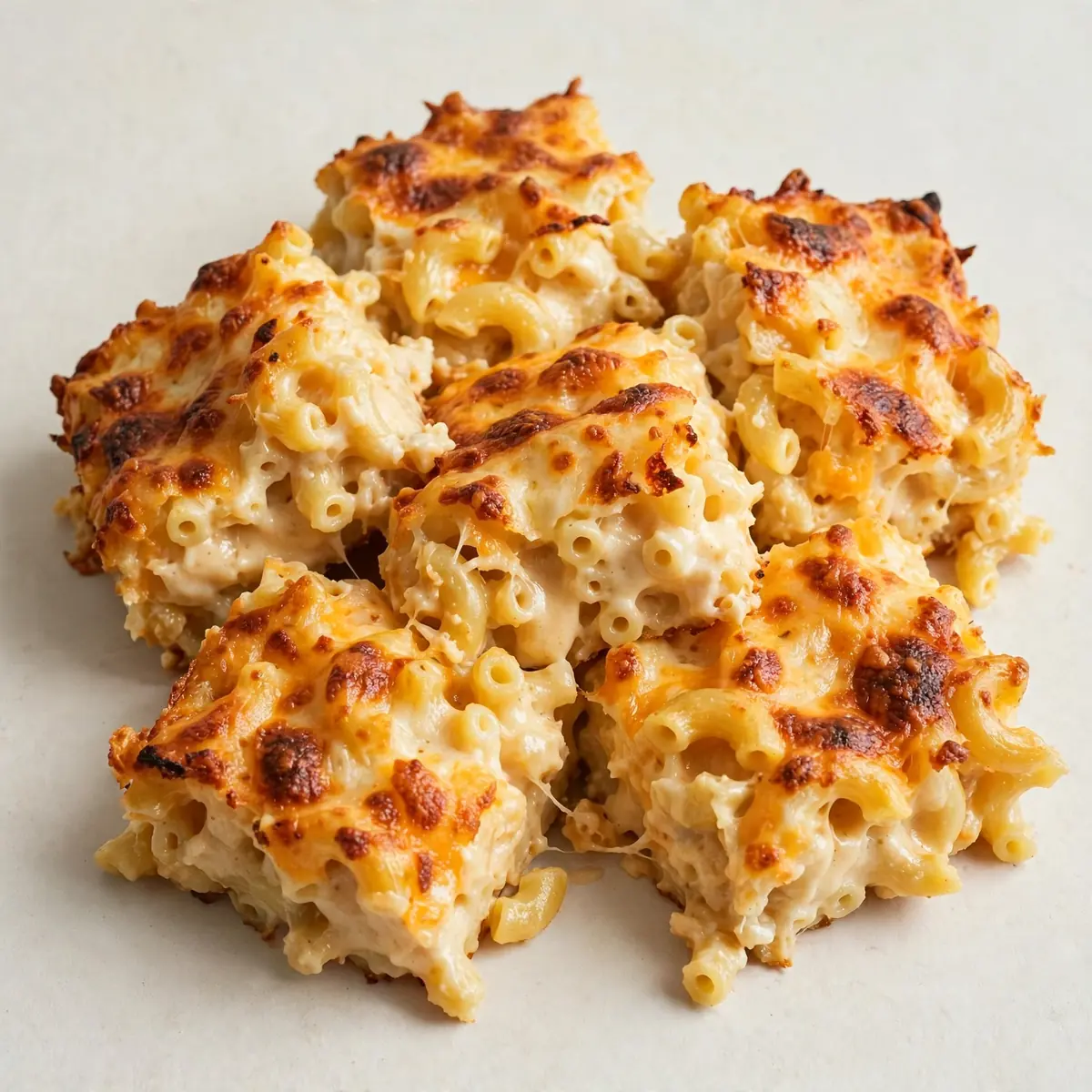
Getting a creamy baked macaroni and cheese on the table on a Tuesday night shouldn’t require an hour of standing at the stove. This version delivers that deep, cheesy comfort with a sauce that comes together in minutes and a topping that crisps up beautifully while you’re setting the table.
Recipe Overview
- Prep time: 15 minutes
- Cook time: 25 minutes
- Total time: 40 minutes
- Servings: 6 generous portions
- Difficulty: Easy — one saucepan, one baking dish
Why You’ll Love This creamy baked macaroni and cheese
- It’s genuinely fast on a weeknight. The cheese sauce uses a no-fuss method that skips constant whisking, so you can boil the pasta and make the sauce in the same window of time.
- Minimal cleanup. One pot for pasta, one saucepan for sauce, one dish for baking. That’s it. No food processor, no blender, no stack of bowls.
- It’s make-ahead friendly. I assemble the whole thing in the morning, park it in the fridge, and bake it when we walk through the door. Dinner is sorted before the shoes come off.
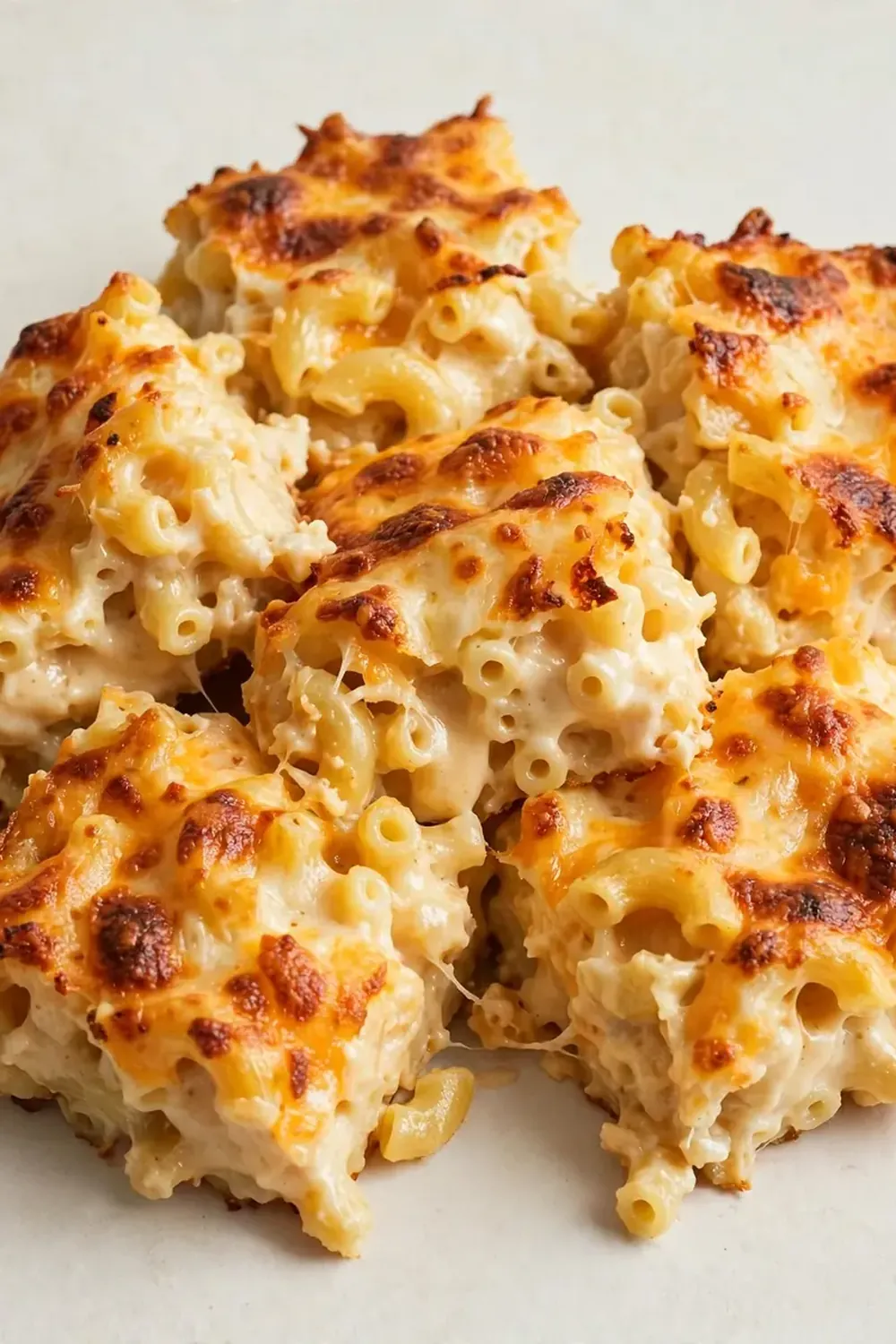
- The texture is exactly right. Silky sauce that clings to every piece of pasta, with a golden breadcrumb crust that gives way with a light crunch.
- It’s flexible. Use whatever melting cheese you have, add a vegetable, or stretch it with extra pasta if you’re feeding a crowd.
Ingredients You’ll Need
- 400 g dried macaroni or small shell pasta
- 60 g unsalted butter
- 60 g plain flour
- 700 ml whole milk, warmed slightly
- 200 ml single cream
- 250 g mature cheddar, grated
- 100 g mozzarella, grated
- 50 g Parmesan, finely grated
- 1 tsp Dijon mustard
- ½ tsp smoked paprika
- ¼ tsp freshly grated nutmeg
- Salt and white pepper, to taste
- 60 g panko breadcrumbs
- 30 g butter, melted, for the topping
- 2 tbsp fresh parsley, chopped (optional)
Tip: Warm the milk before it goes into the roux. Cold milk hitting a hot flour-and-butter base is the single biggest cause of lumpy sauce, and warming it takes ninety seconds in the microwave.
How to Make creamy baked macaroni and cheese
- Heat the oven and boil the pasta. Preheat the oven to 190°C (170°C fan, gas mark 5). Bring a large pan of well-salted water to a rolling boil and cook the macaroni for two minutes less than the packet instructions. It should still have a firm bite in the centre — you’ll feel the resistance when you press a piece between your fingers. Drain and set aside without rinsing.
- Start the roux. In a large saucepan, melt the butter over medium heat until it foams and smells nutty, about a minute. Whisk in the flour and cook for 60–90 seconds, stirring constantly. The mixture should look like wet sand and lose that raw, floury smell — you’re looking for a pale blonde colour, not brown.
- Build the sauce. Pour in the warm milk in three additions, whisking well after each one. The mixture will seize and look lumpy at first, then smooth out as you keep whisking. Add the cream, mustard, paprika and nutmeg. Cook for 4–5 minutes until the sauce coats the back of a spoon and a line drawn through it holds its shape.
- Melt in the cheese. Take the pan off the heat. Add the cheddar and mozzarella in three handfuls, stirring until each addition disappears before adding the next. Stir through the Parmesan last. Taste and season with salt and white pepper — the sauce should taste slightly sharper than you want the finished dish, since the pasta will dilute it.
- Combine. Fold the drained pasta into the sauce until every piece is coated and the mixture looks glossy and thick. Pour into a buttered 23×33 cm baking dish and spread level with the back of a spoon.
- Add the topping. Toss the panko with the melted butter and parsley, then scatter evenly over the surface. Don’t press it down — you want those crumbs sitting loosely so they crisp rather than sink.
- Bake. Bake for 20–25 minutes until the edges are bubbling vigorously and the top is deep golden brown. You’ll hear a gentle simmer at the sides of the dish when it’s ready. If the crumbs are browning too fast, tent loosely with foil.
- Rest before serving. Leave the dish on a cooling rack for 8–10 minutes. The sauce thickens as it settles, so it won’t run off the spoon when you serve it.
Tips From My Kitchen
- Grate your own cheese. Pre-shredded bags are coated in anti-caking starch, which stops the cheese melting smoothly and gives you a grainy sauce. Grating a block takes four minutes and makes a visible difference to the texture.
- Undercook the pasta on purpose. It finishes cooking in the oven while absorbing sauce. If you boil it fully first, you’ll end up with soft, bloated pasta by the time it reaches the table.
- Warm the milk. As mentioned above, this is the difference between a silky sauce and a lumpy one. It also speeds up the thickening, which matters on a busy night.
- Use a mix of cheeses. Cheddar brings sharpness, mozzarella brings that lovely stretch, and Parmesan brings savoury depth. One cheese alone gives you a flatter result.
- Make it ahead and bake from cold. Assemble up to 24 hours in advance, cover and refrigerate. Add 8–10 minutes to the baking time and keep the foil on for the first 15 minutes so the top doesn’t scorch before the middle is hot.
- Save a splash of pasta water. If your sauce tightens up too much before combining, a tablespoon or two of the starchy cooking water loosens it without thinning the flavour.
Common Mistakes to Avoid
- Overcrowding the pan: If your baking dish is too small, the pasta sits in a deep, tight layer and the middle never gets hot before the edges dry out. Use a dish that lets the mixture sit no more than 5 cm deep, and if you’re doubling the recipe, use two dishes rather than one larger one.
- Wrong temperature: Baking too hot (200°C and above) browns the top before the centre is heated through, leaving you with a scorched crust and a lukewarm middle. Stick to 190°C, or 170°C fan, and trust the visual cues at the edges rather than the clock.
- Skipping the rest time: Straight out of the oven, the sauce is thin and will flood the plate. Those 8–10 minutes let the starch and cheese set slightly, so each portion holds together. It also stops you burning your mouth, which I’ve done more times than I care to admit.
Delicious Variations to Try
- Spicy Version: Add a finely chopped jalapeño to the roux along with the mustard, and finish with a pinch of cayenne in the breadcrumbs. For more heat without the chunks, stir a teaspoon of chilli paste into the cheese sauce.
- Vegetarian/Vegan Option: The dish is already vegetarian as written. For a plant-based version, use oat or soy milk, a vegan butter block, and a good melting vegan cheese, and add a tablespoon of nutritional yeast for that savoury edge.
- Different Protein: Shredded cooked chicken, browned turkey mince, or flaked hot-smoked salmon all work well folded through before baking. Add them at the combining stage so they don’t dry out in the oven.
What to Serve With creamy baked macaroni and cheese
- A sharp green salad with a lemon vinaigrette to cut through the richness — this green bean and farro salad is a favourite of ours
- Steamed broccoli or roasted tenderstem with a squeeze of lemon
- Sliced tomatoes with flaky salt and a drizzle of olive oil
- Warm crusty bread for mopping up the sauce
- For a bigger spread, serve alongside these creamy mashed potatoes — yes, double carbs, and no regrets
Still hungry for ideas? You might also love Crispy Baked Broccoli Cheese Balls from our sister kitchens.
Frequently Asked Questions
creamy baked macaroni and cheese
Ingredients
Method
- Heat the oven and boil the pasta. Preheat the oven to 190°C (170°C fan, gas mark 5). Bring a large pan of well-salted water to a rolling boil and cook the macaroni for two minutes less than the packet instructions. It should still have a firm bite in the centre — you'll feel the resistance when you press a piece between your fingers. Drain and set aside without rinsing.
- Start the roux. In a large saucepan, melt the butter over medium heat until it foams and smells nutty, about a minute. Whisk in the flour and cook for 60–90 seconds, stirring constantly. The mixture should look like wet sand and lose that raw, floury smell — you're looking for a pale blonde colour, not brown.
- Build the sauce. Pour in the warm milk in three additions, whisking well after each one. The mixture will seize and look lumpy at first, then smooth out as you keep whisking. Add the cream, mustard, paprika and nutmeg. Cook for 4–5 minutes until the sauce coats the back of a spoon and a line drawn through it holds its shape.
- Melt in the cheese. Take the pan off the heat. Add the cheddar and mozzarella in three handfuls, stirring until each addition disappears before adding the next. Stir through the Parmesan last. Taste and season with salt and white pepper — the sauce should taste slightly sharper than you want the finished dish, since the pasta will dilute it.
- Combine. Fold the drained pasta into the sauce until every piece is coated and the mixture looks glossy and thick. Pour into a buttered 23x33 cm baking dish and spread level with the back of a spoon.
- Add the topping. Toss the panko with the melted butter and parsley, then scatter evenly over the surface. Don't press it down — you want those crumbs sitting loosely so they crisp rather than sink.
- Bake. Bake for 20–25 minutes until the edges are bubbling vigorously and the top is deep golden brown. You'll hear a gentle simmer at the sides of the dish when it's ready. If the crumbs are browning too fast, tent loosely with foil.
- Rest before serving. Leave the dish on a cooling rack for 8–10 minutes. The sauce thickens as it settles, so it won't run off the spoon when you serve it.
Notes
I make this at least once a week during term time, and it’s become the meal my family asks for when everyone’s had a long day. If you try it, I’d love to hear how it went — leave a comment below with your favourite variation, or tag me in a photo of your golden, bubbling dish. And if you’re planning the rest of the week’s dinners, this cheesy tuna pasta bake is another reliable one for busy evenings.