Ingredients
Method
- Preheat your oven to 200°C (180°C fan) or Gas Mark 6. While the oven heats, pat the chicken breasts dry with kitchen paper—this is crucial for a good sear. Season both sides with the salt, black pepper, and smoked paprika, rubbing the spices gently into the flesh. The chicken should look evenly dusted with a warm, brick-red colour.
- Heat the light olive oil in a large, ovenproof frying pan over a medium-high heat until it shimmers and you see the first wisp of smoke. Carefully place the chicken breasts into the pan, laying them away from you to avoid splashing. Listen for an immediate, satisfying sizzle—that is the sound of a good sear beginning. Cook for 3-4 minutes without moving them, until the underside is a deep, golden brown and releases easily from the pan. Flip and repeat on the second side for another 2 minutes. The surface should feel firm to the touch, and the kitchen will smell rich and savoury.
- Transfer the seared chicken to a plate and set aside. Reduce the heat to medium-low and add the minced garlic to the pan. Stir constantly for about 30 seconds, until the garlic becomes fragrant and softens—you should smell its aroma mixing with the pan juices, but be careful not to let it burn.
- In a small bowl, whisk together the runny honey, whole-grain mustard, and Dijon mustard until the mixture is smooth and glossy, with the seeds from the whole-grain mustard visibly suspended. Pour this mixture into the pan with the garlic, followed by the melted butter and the chicken stock. Stir everything together, scraping the bottom of the pan with a wooden spoon to lift any browned bits. The sauce will look thin and pale at this stage, but do not worry—it will thicken beautifully in the oven.
- Bring the sauce to a gentle simmer, then return the chicken breasts to the pan, nestling them into the liquid. Sprinkle the fresh thyme leaves over the top. Transfer the pan to the preheated oven and bake, uncovered, for 20 minutes. After 20 minutes, remove the pan from the oven and spoon the sauce over the tops of the chicken breasts. Return to the oven for a further 10 minutes.
- After the total 30 minutes of baking, check the chicken is cooked through. A digital thermometer inserted into the thickest part should read 74°C. If you do not have a thermometer, pierce the thickest part with a knife—the juices should run clear, and the flesh should be opaque all the way through, with no pinkness. The sauce should be bubbling and slightly reduced around the chicken.
- For that restaurant-quality finish, remove the chicken from the pan and set it on a warm plate, tenting it loosely with foil. Place the pan on the hob over a medium heat. If the sauce looks thin, stir in the cornflour slurry and simmer for 1-2 minutes, stirring constantly, until the sauce thickens to a glossy, coat-the-back-of-a-spoon consistency. The colour will deepen to a warm amber, and the bubbles will become slower and larger. Taste and adjust the seasoning if necessary.
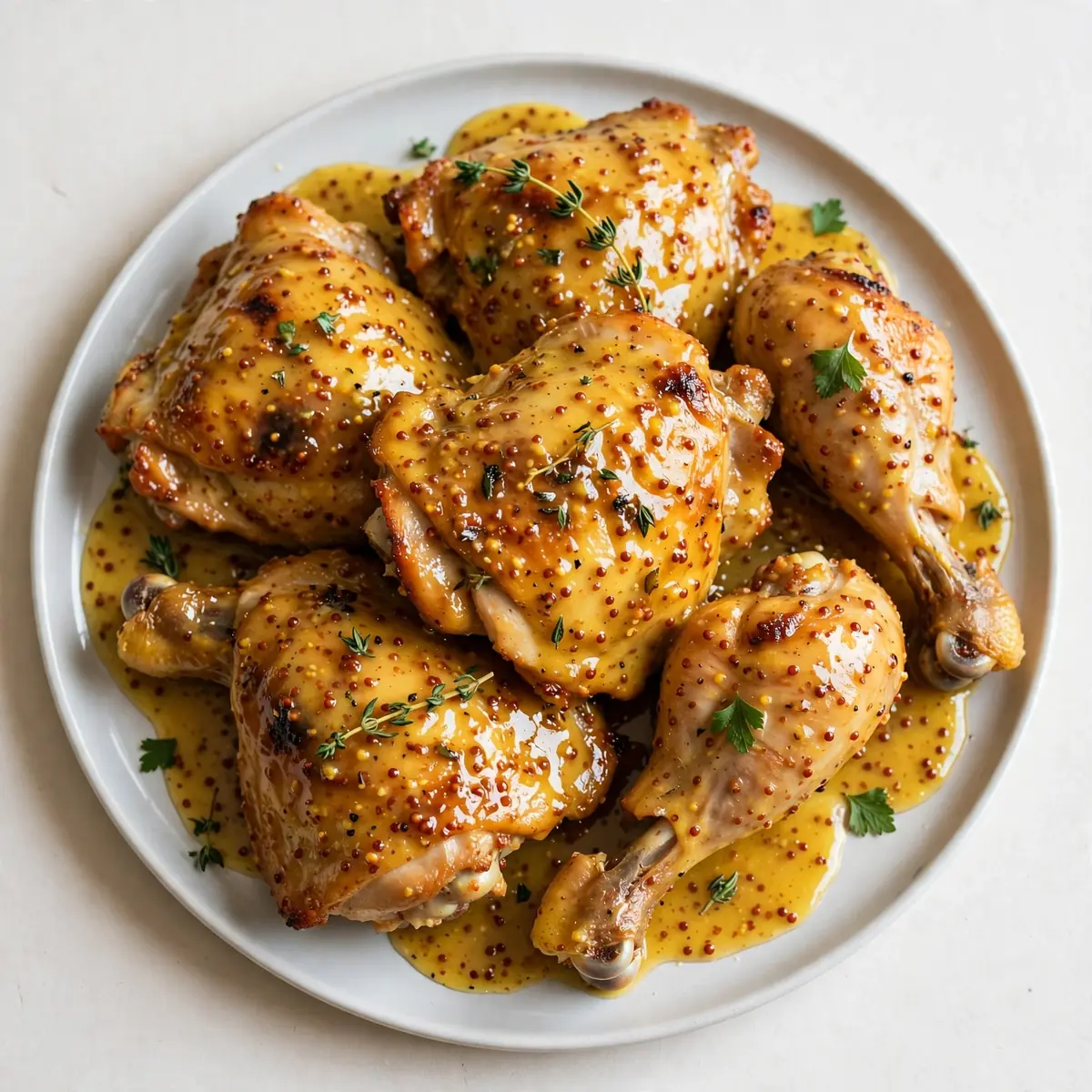
- To serve, spoon a generous amount of the sauce onto each warm plate, then place a chicken breast on top. Garnish with a few fresh thyme leaves and a pinch of flaky sea salt. The contrast between the shiny, lacquered chicken and the verdant green thyme creates a visually stunning plate that looks as though it came from a professional kitchen.
Notes
For best results, pat chicken dry before searing and use a digital thermometer to ensure doneness at 74°C.