Classic Eggs Benedict
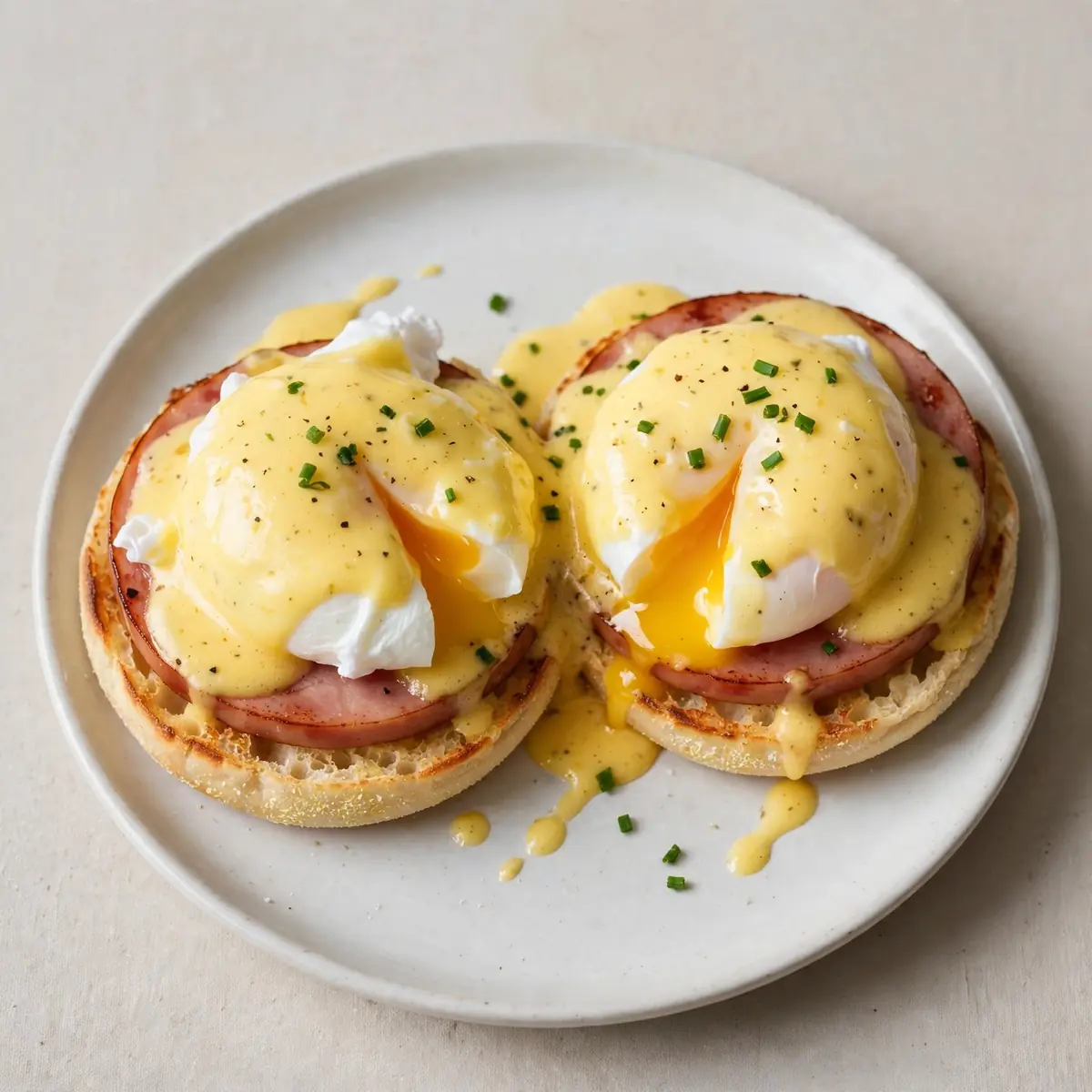
There’s a moment when you bring a plate to the table and the whole room goes quiet. That’s the power of Classic Eggs Benedict. It’s not just breakfast; it’s a statement. I’ve spent years perfecting this dish for when I want to impress without spending all morning in the kitchen, and today I’m sharing every detail that makes it look and taste like it came from a top London brunch spot.
Recipe Overview
- Prep time: 15 minutes
- Cooking time: 25 minutes
- Total time: 40 minutes
- Servings: 4
- Difficulty: Medium
Why You’ll Love This Classic Eggs Benedict
- Restaurant-quality presentation: Every component is designed to stack beautifully, with glossy hollandaise that cascades over perfectly poached eggs.
- Foolproof poaching method: I’ll show you the gentle swirl technique that gives you silky egg whites without the dreaded wispy bits.
- Silky, split-proof hollandaise: My temperature-controlled method means you get a thick, buttery sauce that holds its shape on the plate.
- Make-ahead friendly components: The toasted muffins and cooked protein can be prepped in advance, so you’re only scrambling at the last minute for the eggs and sauce.
- Customisable for any guest: Whether they want extra heat, a lighter bite, or a different protein, this recipe adapts without losing its elegant soul.
Ingredients You’ll Need
- 4 large, fresh free-range eggs (for poaching)
- 2 extra-large egg yolks (for the hollandaise)
- 200g unsalted butter, cut into small cubes
- 1 tablespoon fresh lemon juice
- 1 teaspoon white wine vinegar (plus extra for the poaching water)
- ½ teaspoon Dijon mustard
- Pinch of cayenne pepper
- Salt and freshly ground white pepper, to taste
- 4 thick slices of cooked chicken breast or turkey breast (about 200g total)
- 2 English muffins, split in half
- 1 tablespoon unsalted butter, softened (for toasting the muffins)
- Fresh chives, finely snipped, for garnish
Tip: Use the freshest eggs you can find for poaching — the whites hold together much better. Older eggs are still fine for the hollandaise, though.
How to Make Classic Eggs Benedict
- Prepare the hollandaise base: In a heatproof bowl set over a pan of gently simmering water (the bowl should not touch the water), whisk the two extra-large egg yolks with the lemon juice and Dijon mustard. Whisk continuously until the mixture becomes pale, thick, and leaves a ribbon trail on the surface when you lift the whisk — this takes about 3–4 minutes. The mixture should feel warm to the touch but not hot.
- Emulsify the butter: Remove the bowl from the heat. Whisk in the cubed butter, one piece at a time, waiting until each piece is fully incorporated before adding the next. The sauce will turn glossy, thick, and a deep golden yellow. If it looks too thick, add a teaspoon of warm water. Season with cayenne, salt, and white pepper. Cover and set aside in a warm place (not on the heat).
- Poach the eggs: Fill a large, deep frying pan with water to about 8cm deep. Add a generous splash of white wine vinegar and bring to a gentle simmer — you should see tiny bubbles rising, but no rolling boil. Crack one egg into a small ramekin. Using a spoon, stir the water in a clockwise motion to create a gentle whirlpool. Slide the egg into the centre of the whirlpool. The swirling water wraps the white around the yolk. Cook for 3 minutes for a runny yolk that feels soft when you gently poke it. Remove with a slotted spoon and drain on kitchen paper. Repeat with the remaining eggs.
- Toast the muffins and warm the protein: While the eggs poach, split the English muffins and spread the cut sides with the softened butter. Toast them in a dry frying pan over medium-high heat for 2–3 minutes until they are golden brown and smell nutty. In the same pan, quickly warm the sliced chicken or turkey breast for 1 minute on each side until heated through.
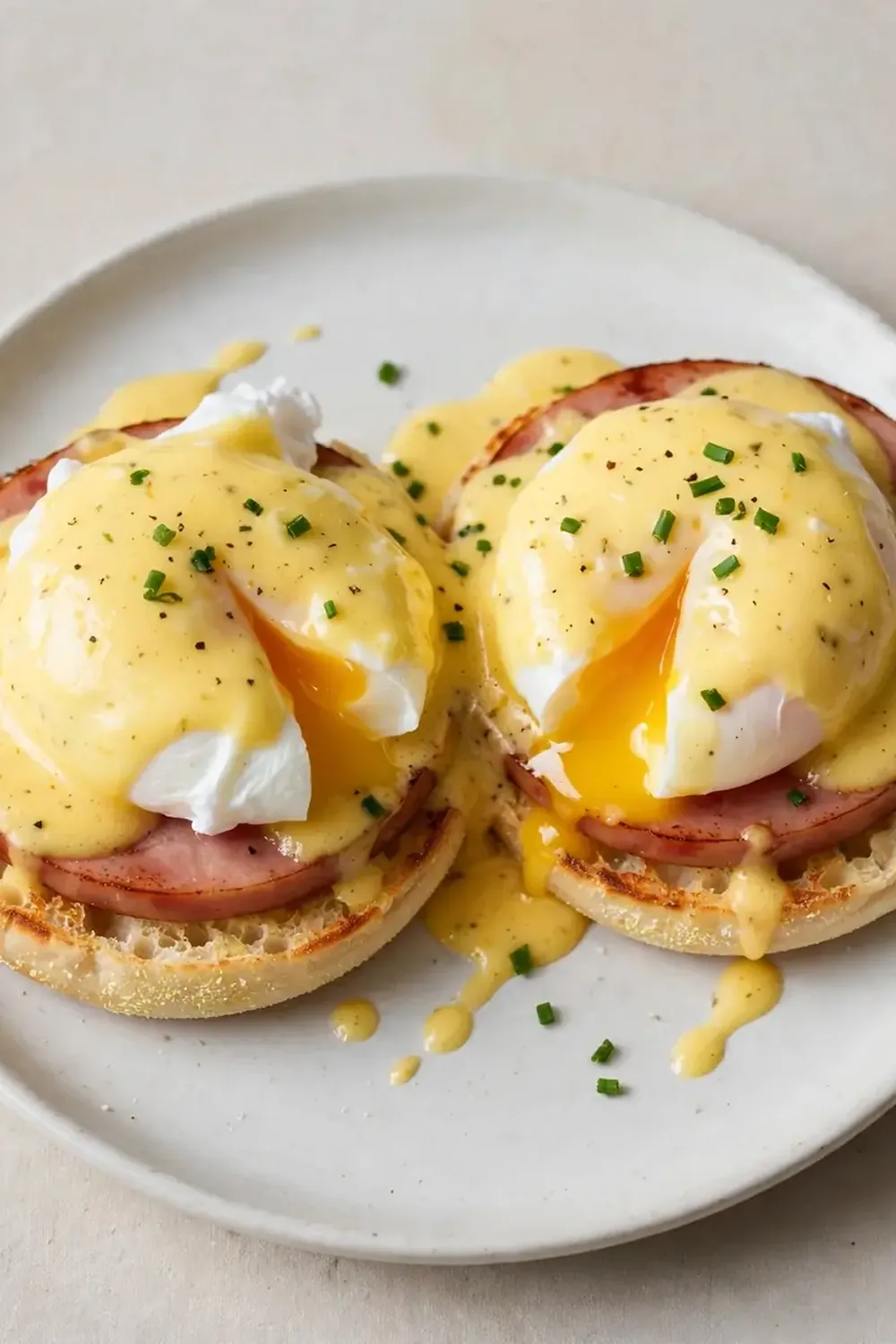
- Assemble the dish: Place two toasted muffin halves on each plate, cut side up. Lay a slice of warmed chicken or turkey on each muffin half. Using the slotted spoon, gently place a poached egg on top of the protein. Spoon the hollandaise sauce generously over the eggs — it should cover the egg and drip slightly down the sides. Garnish with a sprinkle of fresh chives and a tiny dusting of cayenne pepper.
- Serve immediately: The beauty of this dish is in the contrast of temperatures — the warm, buttery muffin, the hot protein, the soft egg, and the velvety sauce. Present the plates with the hollandaise pooling elegantly on the plate for that restaurant-style finish.
Tips From My Kitchen
- Keep the hollandaise warm but not hot: If you make the sauce ahead, place the bowl over a pan of warm (not simmering) water and stir occasionally. If it gets too hot, the eggs will scramble. The ideal temperature is about 50°C — warm to the touch but not uncomfortable.
- Don’t skip the vinegar in the poaching water: The acid helps the egg whites coagulate faster, giving you a neat, compact shape instead of a messy cloud of white. One tablespoon per litre of water is the sweet spot.
- Use a slotted spoon to test the egg: Lift the poached egg gently with the spoon and press the yolk area with your fingertip. If it feels soft and gives slightly, it’s ready. If it feels firm, you’ve overcooked it. This tactile cue is more reliable than timing alone.
- Rest the cooked protein before slicing: If you’re cooking the chicken or turkey from scratch, let it rest for 5 minutes after cooking. This keeps the juices inside, so each slice is moist and tender when it hits the muffin.
- Warm your plates: This is the single easiest way to elevate your presentation. Pop your plates in a low oven (100°C) for 5 minutes before assembling. The hollandaise stays glossy and doesn’t congeal on contact with cold porcelain.
Equipment You’ll Need
- Large frying pan or skillet (deep enough for poaching)
- Sharp knife and cutting board
- Mixing bowls (one heatproof for the hollandaise)
- Wooden spoon or spatula
- Whisk (balloon whisk works best for the sauce)
- Slotted spoon
- Small ramekins for cracking eggs individually
- Heatproof bowl for the bain-marie
Common Mistakes to Avoid
- Overcrowding the pan: When poaching eggs, only cook one or two at a time. If you crowd the pan, the water temperature drops too quickly and the whites spread out into a messy web. Cook in batches and keep the finished eggs warm on a plate in a low oven.
- Wrong temperature for hollandaise: The water beneath your bowl must be simmering, not boiling. If it’s too hot, the egg yolks will scramble into tiny curds. The bowl should feel warm but not hot to the touch. If you see steam rising rapidly, lift the bowl off the water for a few seconds to cool it down.
- Skipping the rest time for the protein: If you slice chicken or turkey straight from the pan, all the juices run out onto the cutting board. Resting for 5 minutes allows the fibres to relax and reabsorb the moisture, giving you a juicier, more tender bite on your Benedict.
Delicious Variations to Try
- Spicy Version: Add ½ teaspoon of smoked paprika and a pinch of chilli flakes to the hollandaise sauce. Top the finished dish with thinly sliced pickled jalapeños for a vinegary kick that cuts through the richness.
- Vegetarian Option: Replace the chicken or turkey with thick slices of grilled portobello mushroom or roasted aubergine. Sear the mushrooms in a hot pan with a little butter and thyme until they are deeply browned and tender. The earthy flavour pairs beautifully with the creamy sauce.
- Different Protein: Use pan-seared salmon fillets or flaked smoked trout instead of the poultry. The fish adds a briny depth that complements the buttery hollandaise. Simply cook the salmon skin-side down until crisp, then flake it over the muffin.
What to Serve With Classic Eggs Benedict
- A handful of peppery rocket or watercress dressed with a squeeze of lemon juice and a drizzle of olive oil
- Oven-roasted cherry tomatoes on the vine, sprinkled with sea salt
- A side of crispy roasted potatoes or hash browns for extra crunch
- A light, tangy Fresh Greek Salad Recipe to balance the richness of the hollandaise
- Fresh fruit, such as sliced mango or berries, for a refreshing contrast
Frequently Asked Questions
Classic Eggs Benedict
Ingredients
Method
- Prepare the hollandaise base: In a heatproof bowl set over a pan of gently simmering water (the bowl should not touch the water), whisk the two extra-large egg yolks with the lemon juice and Dijon mustard. Whisk continuously until the mixture becomes pale, thick, and leaves a ribbon trail on the surface when you lift the whisk — this takes about 3–4 minutes. The mixture should feel warm to the touch but not hot.
- Emulsify the butter: Remove the bowl from the heat. Whisk in the cubed butter, one piece at a time, waiting until each piece is fully incorporated before adding the next. The sauce will turn glossy, thick, and a deep golden yellow. If it looks too thick, add a teaspoon of warm water. Season with cayenne, salt, and white pepper. Cover and set aside in a warm place (not on the heat).
- Poach the eggs: Fill a large, deep frying pan with water to about 8cm deep. Add a generous splash of white wine vinegar and bring to a gentle simmer — you should see tiny bubbles rising, but no rolling boil. Crack one egg into a small ramekin. Using a spoon, stir the water in a clockwise motion to create a gentle whirlpool. Slide the egg into the centre of the whirlpool. The swirling water wraps the white around the yolk. Cook for 3 minutes for a runny yolk that feels soft when you gently poke it. Remove with a slotted spoon and drain on kitchen paper. Repeat with the remaining eggs.
- Toast the muffins and warm the protein: While the eggs poach, split the English muffins and spread the cut sides with the softened butter. Toast them in a dry frying pan over medium-high heat for 2–3 minutes until they are golden brown and smell nutty. In the same pan, quickly warm the sliced chicken or turkey breast for 1 minute on each side until heated through.
- Assemble the dish: Place two toasted muffin halves on each plate, cut side up. Lay a slice of warmed chicken or turkey on each muffin half. Using the slotted spoon, gently place a poached egg on top of the protein. Spoon the hollandaise sauce generously over the eggs — it should cover the egg and drip slightly down the sides. Garnish with a sprinkle of fresh chives and a tiny dusting of cayenne pepper.
- Serve immediately: The beauty of this dish is in the contrast of temperatures — the warm, buttery muffin, the hot protein, the soft egg, and the velvety sauce. Present the plates with the hollandaise pooling elegantly on the plate for that restaurant-style finish.
Notes
I’d love to hear how your Classic Eggs Benedict turns out. Did you try any of the variations, or did you stick with the classic? Drop a comment below and let me know — your feedback helps other home cooks feel confident enough to give this restaurant-quality dish a go. My husband, who’s usually picky, asked for seconds the first time I made this, and I have a feeling your guests will too.