Homemade Mashed Potatoes
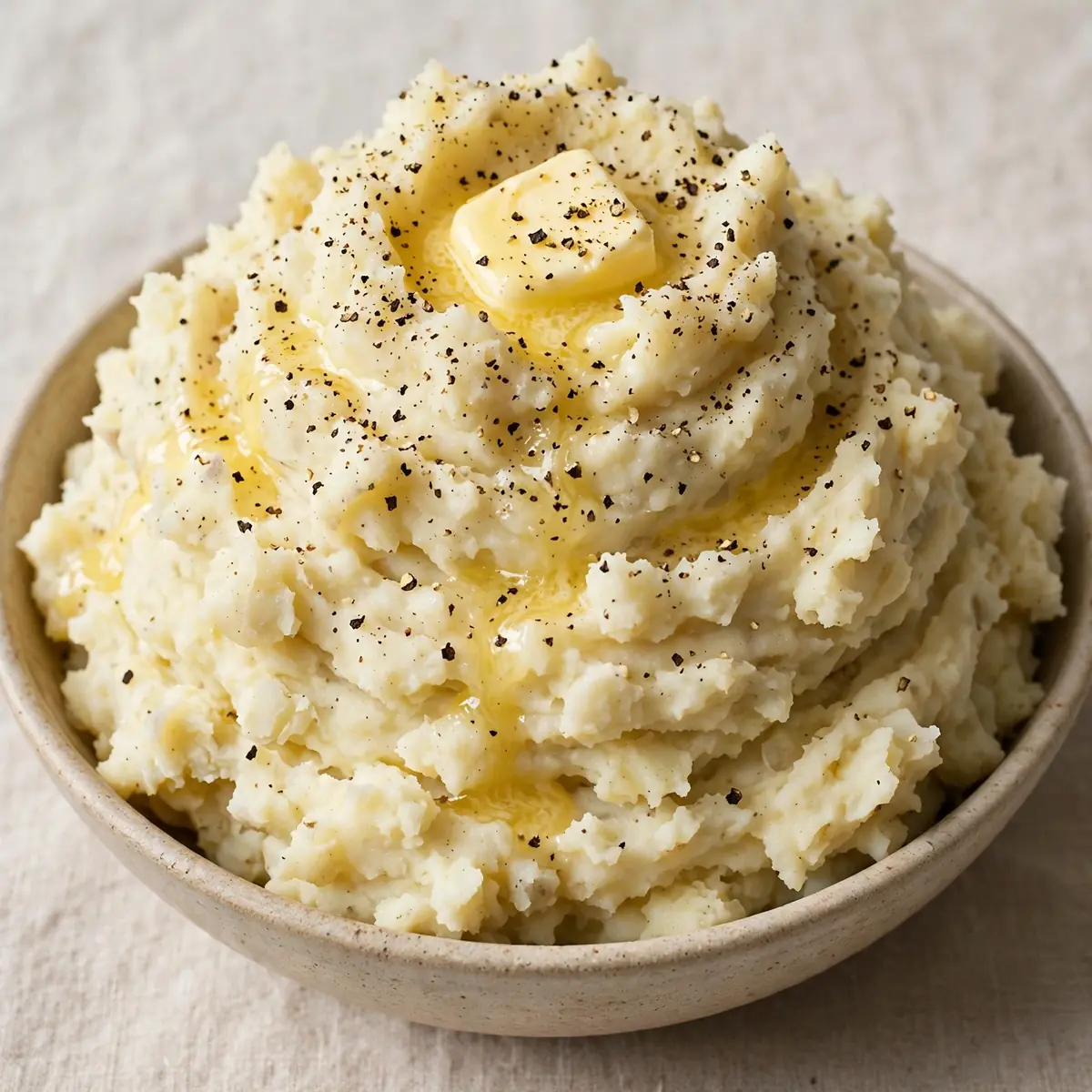
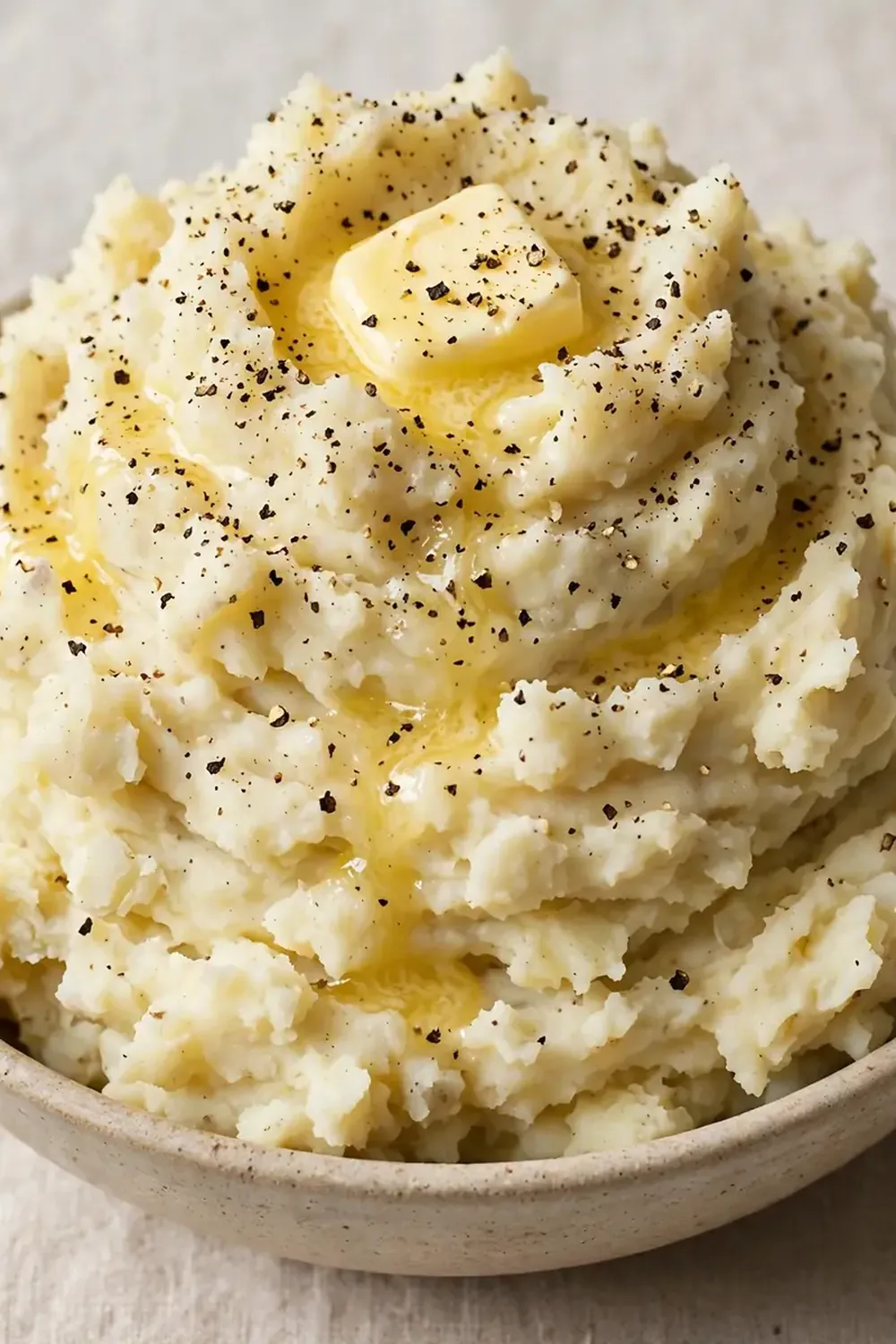
Forget everything you think you know about a bowl of mashed potatoes. I’m not talking about the humble, lumpy side dish you scoop next to a weeknight banger. I am talking about a cloud of buttery, velvety mash that commands the centre of the table, a dish so polished it could be served on a slate tile in a Michelin-starred dining room. This is the recipe I pull out when I want to silence a dinner party—and my husband, who’s usually picky, asked for seconds before he’d even finished his first mouthful of gravy.
Recipe Overview
- Prep Time: 15 minutes
- Cook Time: 25 minutes
- Total Time: 40 minutes
- Servings: 6
- Difficulty: Easy
Why You’ll Love This Homemade Mashed Potatoes
- Restaurant-quality at home: This isn’t a rustic, home-style mash. The texture is silky and smooth, and the presentation is designed to impress your guests.
- Simple ingredients, elevated technique: You don’t need a pantry full of exotic spices. The magic comes from how you handle the potatoes, the butter, and the cream.
- Prep-ahead friendly: You can get the potatoes boiled and ready to mash in advance, then finish the dish just before serving, saving you stress on the night.
- Impossibly creamy without being heavy: We achieve a luxurious mouthfeel without relying on a mountain of cream, keeping the potato flavour prominent and pure.
- Perfect canvas for flavour: This base mash is so good on its own, but it also welcomes a wide range of elegant add-ins and toppings, from roasted garlic to fresh herbs.
Ingredients You’ll Need
- 1 kg (2.2 lb) Maris Piper or Yukon Gold potatoes, peeled and quartered
- 150 ml (⅔ cup) full-fat milk
- 100 ml (⅓ cup plus 1 tbsp) double cream
- 100 g (7 tbsp) unsalted butter, plus extra for serving
- 2 tsp fine sea salt, plus more for the cooking water
- ½ tsp freshly ground white pepper (or black, for a speckled look)
- 2 cloves of garlic, peeled (optional, for a subtle savoury note)
- 1 tbsp fresh chives, finely snipped, for garnish
- 1 tbsp fresh flat-leaf parsley, finely chopped, for garnish
- Flaky sea salt, to finish
Tip: The choice of potato is crucial. Waxy potatoes will give you a gluey, sticky mash. You want a floury, starchy variety like Maris Piper or King Edward—they break down beautifully and soak up the butter and cream like a dream.
How to Make Homemade Mashed Potatoes
- Prepare the potatoes: Place the peeled and quartered potatoes in a large saucepan or stockpot. Cover them with cold water by about 5 cm (2 inches). Add a generous tablespoon of salt to the water—this seasons the potatoes from the inside out. Bring to a boil over high heat. You’ll see the water start to froth and the potatoes will release a starchy, earthy aroma.
- Simmer until tender: Reduce the heat to a steady simmer. Cook for 15-20 minutes, until the potatoes are completely tender. The best test? Pierce a piece with a knife; it should slide in with absolutely no resistance, and the potato should look like it’s about to fall apart. The colour will be a pale, creamy yellow. Do not let them boil aggressively, or they’ll break up too much and become waterlogged.
- Drain and steam dry: Drain the potatoes in a colander. This is a non-negotiable step. Let them sit in the colander for a full 2-3 minutes, shaking occasionally. You want to see the steam rising off them. This dries out the excess moisture, which is the enemy of a creamy mash. The texture of the potatoes will look slightly floury and matte on the surface.
- Warm the dairy: While the potatoes are steaming, combine the milk, double cream, and the 2 cloves of garlic (if using) in a small saucepan. Heat over a low flame until it’s just warm to the touch—think bathwater temperature, not hot. You should see tiny bubbles form around the edge, but no boil. This prevents the cold liquid from shocking the potatoes and making them gluey.
- Mash the potatoes: Return the dried potatoes to the warm pot. Use a potato ricer or a food mill for the silkiest, most professional texture. If you don’t have one, a hand masher will work, but press firmly and consistently until no lumps remain. The sound of the ricer is a satisfying, soft squelch. The texture should look like fluffy, fine snow.
- Incorporate the butter and cream: Add the unsalted butter to the hot, riced potatoes. Stir gently with a wooden spoon until the butter is completely melted and the mash looks glossy. Then, slowly pour in the warm milk and cream mixture (discard the garlic cloves), stirring constantly. Stop when the mash is loose and creamy but still holds its shape. The colour will deepen to a rich, pale gold. Taste and adjust the seasoning with the white pepper and fine salt.
- Finish and serve: Transfer the mash to a warmed serving bowl. Use the back of a spoon to create a decorative swirl on top. Dot the surface with a few small knobs of butter, which will melt into golden pools. Sprinkle with the fresh chives, parsley, and a generous pinch of flaky sea salt. Serve immediately while the butter is still glistening.
Tips From My Kitchen
- Always start with cold, salted water: Dropping potatoes into boiling water cooks the outside faster than the inside, leading to uneven texture. Starting them in cold water ensures they cook evenly from edge to centre. The salt in the water seasons the starch itself, not just the surface.
- Dry the potatoes thoroughly: This is the single biggest secret to a non-watery mash. After draining, let the steam carry away the excess moisture. If you skip this, you’ll be adding more butter and cream to compensate for the water, resulting in a greasy, thin mash.
- Use a ricer for the best texture: A potato ricer creates a fine, even crumb that absorbs the butter and cream perfectly. A hand masher can leave lumps, and a food processor (tempting as it is) will overwork the starch and turn your mash into a gluey paste. This is the tool that makes the difference between a good mash and an exceptional one.
- Warm your dairy and your serving dish: Cold cream or milk cools the potatoes down, which means you have to reheat them, and reheating can make them stiff and pasty. Warming the dairy first keeps everything hot and fluid. Similarly, a cold bowl will cause the butter to solidify on contact.
- Season in layers: Season the cooking water, add salt and pepper to the mash, and finish with a final flourish of flaky sea salt. This layered approach creates a depth of flavour that you can’t get from a single seasoning event. Each layer hits the palate differently.
Equipment You’ll Need
- Large saucepan or stockpot (at least 5 litres)
- Colander
- Potato ricer or food mill (highly recommended for a silky texture)
- Small saucepan for warming the dairy
- Wooden spoon or silicone spatula
- Sharp knife and cutting board
- Mixing bowls (for serving and prep)
Common Mistakes to Avoid
- Overworking the potatoes: Once you’ve riced or mashed the potatoes, handle them gently. Stirring too vigorously or for too long releases the gluten in the starch, turning your creamy mash into a sticky, gluey mess. Fold the ingredients in until just combined.
- Using cold dairy: Adding cold milk or cream to hot potatoes causes the fat to seize and the starch to become tacky. The result is a lumpy, greasy texture. Always warm your dairy to just below a simmer before incorporating it.
- Skipping the rest time (while drying): The few minutes you let the potatoes steam in the colander are not wasted. This step removes the surface water that dilutes the butter and cream. It’s the cheapest, easiest way to guarantee a rich, concentrated potato flavour.
Delicious Variations to Try
- Roasted Garlic & Thyme: Wrap a whole head of garlic in foil and roast at 200°C (400°F) for 40 minutes until soft and caramelised. Squeeze the sweet, jammy cloves into the mash along with a few sprigs of fresh thyme leaves. The aroma is intoxicating.
- Horseradish & Chive: For a sharp, piquant kick that cuts through rich roasts, stir in 2 tablespoons of prepared horseradish (not the creamy sauce) and an extra tablespoon of chives. This is a spectacular partner for a beef roast.
- Creamy Truffle Mash: For the ultimate indulgence, swap 50 ml of the double cream for a good-quality truffle oil or truffle butter. Drizzle a little extra truffle oil on top just before serving. Your guests will think you’ve gone to culinary school.
What to Serve With Homemade Mashed Potatoes
This mash is a versatile star, but it shines brightest when paired with dishes that let its creamy texture take centre stage. It’s the perfect side for a slow-roasted chicken, where it soaks up all the pan juices. For a truly memorable meal, serve it alongside a succulent Chicken And Mashed Potatoes Recipe for a perfectly balanced plate. It also makes a luxurious bed for a rich, saucy meatloaf, like this Meatloaf With Stove Top Stuffing Recipe.
- Pan-seared lamb chops with a red wine and rosemary jus
- Braised short ribs in a rich gravy
- Grilled salmon fillets with a lemon butter sauce
- Roasted root vegetables for a vegetarian feast
Still hungry for ideas? You might also love Creamy Garlic Parmesan Mashed Potatoes, Creamy Herb Chicken With Mashed Potatoes Glazed Carrots from our sister kitchens.
Frequently Asked Questions
Homemade Mashed Potatoes
Ingredients
Method
- Prepare the potatoes: Place the peeled and quartered potatoes in a large saucepan or stockpot. Cover them with cold water by about 5 cm (2 inches). Add a generous tablespoon of salt to the water—this seasons the potatoes from the inside out. Bring to a boil over high heat. You'll see the water start to froth and the potatoes will release a starchy, earthy aroma.
- Simmer until tender: Reduce the heat to a steady simmer. Cook for 15-20 minutes, until the potatoes are completely tender. The best test? Pierce a piece with a knife; it should slide in with absolutely no resistance, and the potato should look like it's about to fall apart. The colour will be a pale, creamy yellow. Do not let them boil aggressively, or they'll break up too much and become waterlogged.
- Drain and steam dry: Drain the potatoes in a colander. This is a non-negotiable step. Let them sit in the colander for a full 2-3 minutes, shaking occasionally. You want to see the steam rising off them. This dries out the excess moisture, which is the enemy of a creamy mash. The texture of the potatoes will look slightly floury and matte on the surface.
- Warm the dairy: While the potatoes are steaming, combine the milk, double cream, and the 2 cloves of garlic (if using) in a small saucepan. Heat over a low flame until it's just warm to the touch—think bathwater temperature, not hot. You should see tiny bubbles form around the edge, but no boil. This prevents the cold liquid from shocking the potatoes and making them gluey.
- Mash the potatoes: Return the dried potatoes to the warm pot. Use a potato ricer or a food mill for the silkiest, most professional texture. If you don't have one, a hand masher will work, but press firmly and consistently until no lumps remain. The sound of the ricer is a satisfying, soft squelch. The texture should look like fluffy, fine snow.
- Incorporate the butter and cream: Add the unsalted butter to the hot, riced potatoes. Stir gently with a wooden spoon until the butter is completely melted and the mash looks glossy. Then, slowly pour in the warm milk and cream mixture (discard the garlic cloves), stirring constantly. Stop when the mash is loose and creamy but still holds its shape. The colour will deepen to a rich, pale gold. Taste and adjust the seasoning with the white pepper and fine salt.
- Finish and serve: Transfer the mash to a warmed serving bowl. Use the back of a spoon to create a decorative swirl on top. Dot the surface with a few small knobs of butter, which will melt into golden pools. Sprinkle with the fresh chives, parsley, and a generous pinch of flaky sea salt. Serve immediately while the butter is still glistening.
Notes
I hope this recipe becomes your new secret weapon for entertaining—the one that has everyone asking, “How did you get it so smooth?” It’s that simple, repeatable magic of taking a humble ingredient and treating it with a little extra respect. If you try this Homemade Mashed Potatoes, I’d love to hear how you plated it up. Drop a comment below and tell me what you served it with—I’m always looking for new inspiration!