Smoked Sausage and Cabbage Skillet
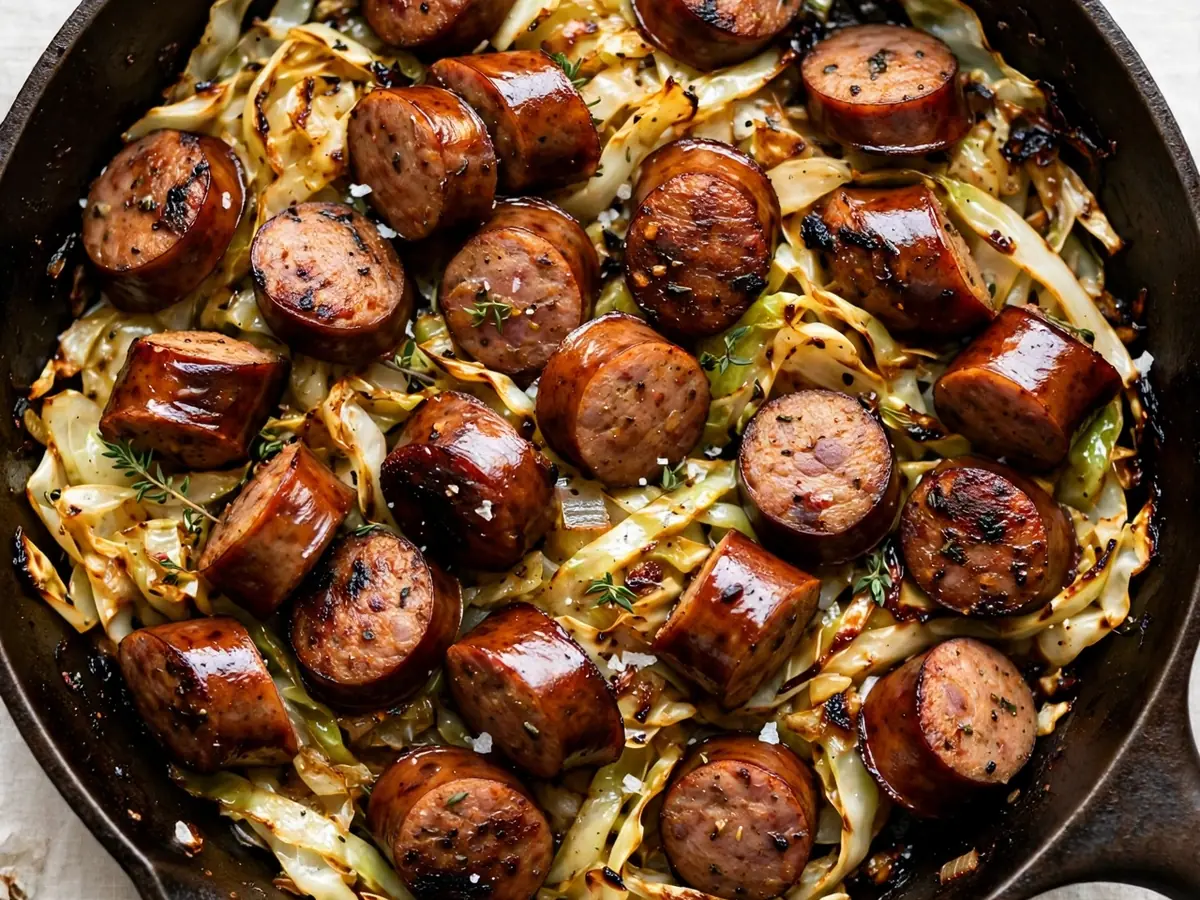
Smoked sausage and cabbage skillet is the kind of one-pan dinner that earns a permanent spot in the weeknight rotation. It comes together in about 35 minutes, uses a short list of everyday ingredients, and delivers the sort of deep, savory flavor that usually takes much longer to build. Smoky slices of sausage brown in the pan, their rendered fat becomes the cooking medium for sweet onions and garlic, and thick ribbons of cabbage soak up all of that goodness while turning tender at the edges. A splash of vinegar at the end lifts everything and keeps the dish from feeling heavy.
This version is deliberately simple but not plain. Paprika reinforces the smokiness of the sausage, a little Dijon adds tang and body, and a finish of fresh parsley or dill gives the whole skillet a bright, finished feel. It is hearty enough to stand alone as a main course, yet flexible enough to serve over rice, toss with egg noodles, or pile next to a hunk of crusty bread. If you have been looking for a reliable way to get more cabbage onto the table, this is it.
Why This Skillet Works So Well
Cabbage is an underrated vegetable. It is inexpensive, keeps for weeks in the refrigerator, and behaves beautifully in a hot pan. When sliced thick and cooked in sausage drippings, the outer layers caramelize and sweeten while the centers stay pleasantly crisp. The sausage does double duty: it provides the protein and it seasons the entire dish as it browns.
The method here follows a logical order. Sausage first, so it can render and brown. Aromatics second, so they soften without scorching. Cabbage third, in stages, so it wilts evenly instead of steaming. Liquid and seasonings near the end, so the flavors concentrate. Finally, an acid and a fresh herb to bring it all into focus. Every step has a purpose, and none of them require special skill.
Ingredients
This recipe makes 4 generous main-course servings. Use a large skillet, ideally 12 inches in diameter, so the cabbage has room to make contact with the hot surface rather than pile up and steam.
- 1 pound (450 g) smoked sausage, such as kielbasa or andouille, sliced into 1/4-inch rounds
- 2 tablespoons olive oil, divided
- 1 large yellow onion (about 10 ounces / 280 g), halved and sliced 1/4 inch thick
- 3 garlic cloves, minced
- 1 teaspoon smoked paprika
- 1/2 teaspoon dried thyme
- 1/2 teaspoon kosher salt, plus more to taste
- 1/4 teaspoon freshly ground black pepper
- 1 medium head green cabbage (about 2 pounds / 900 g), cored and sliced into 1/2-inch ribbons
- 1 tablespoon Dijon mustard
- 1 tablespoon apple cider vinegar
- 2 tablespoons chopped fresh parsley or dill, for finishing
Optional additions that work well: a pinch of red pepper flakes with the garlic, 1 cup of drained canned white beans added with the cabbage, or a spoonful of sour cream swirled in at the table.
Equipment
- 12-inch heavy-bottomed skillet or braiser with a lid
- Chef’s knife and cutting board
- Wooden spoon or spatula
- Measuring spoons and a liquid measuring cup
- Tongs for turning the sausage
A lid is helpful but not strictly required. If your skillet does not have one, a large baking sheet set over the top works as a makeshift cover during the brief covered phase.
Preparation Instructions
- Prep the ingredients before heating the pan. Slice the sausage into 1/4-inch rounds. Halve the onion and slice it 1/4 inch thick. Mince the garlic. Core the cabbage, cut it into wedges, and slice each wedge crosswise into 1/2-inch ribbons. Keeping the ribbons on the thicker side prevents them from turning to mush. Set everything in separate piles near the stove.
- Brown the sausage. Heat 1 tablespoon of olive oil in the skillet over medium-high heat until it shimmers, about 1 minute. Add the sausage in a single layer and cook, turning occasionally, until deeply browned on both sides, 6 to 8 minutes total. Transfer the sausage to a plate and set aside. Do not clean the pan.
- Soften the onion. Reduce the heat to medium. Add the remaining 1 tablespoon of olive oil along with the sliced onion. Cook, stirring frequently and scraping up the browned bits left by the sausage, until the onion is soft and lightly golden at the edges, about 5 minutes.
- Bloom the aromatics. Add the minced garlic, smoked paprika, dried thyme, salt, and black pepper. Stir constantly for 30 to 45 seconds, just until the garlic smells fragrant. Take care not to let the paprika scorch, which turns it bitter.
- Add the cabbage in two batches. Add half the cabbage and toss with the onion mixture until it begins to wilt, about 2 minutes. Add the second half and continue tossing. The pan will look crowded at first; this is expected. Cook, stirring every minute or so, until the cabbage is tender-crisp and reduced in volume by roughly half, 8 to 10 minutes.
- Build the sauce. In a small bowl, whisk the Dijon mustard with the apple cider vinegar and 2 tablespoons of water. Pour this mixture over the cabbage and stir to distribute evenly.
- Finish together. Return the browned sausage and any juices on the plate to the skillet. Stir to combine, then cover and cook over medium-low heat for 3 to 4 minutes, allowing the sausage to heat through and the flavors to marry. Taste and adjust the salt.
- Rest and serve. Remove the skillet from the heat, scatter the chopped parsley or dill over the top, and let the dish sit for 2 minutes before serving.
Total cooking time: approximately 30 to 35 minutes, including prep. Servings: 4 main-course portions or 6 smaller portions.
Tips for the Best Result
- Do not crowd the sausage. If your skillet is smaller than 12 inches, brown the sausage in two batches. Crowding causes steaming rather than browning, and browning is where the flavor comes from.
- Slice the cabbage thick. Thin shreds collapse quickly and release a lot of water. Half-inch ribbons hold their texture and caramelize better.
- Control the heat during the cabbage phase. If the pan starts to brown too aggressively, lower the heat slightly rather than adding more oil. A little char is desirable; burnt garlic and paprika are not.
- Season in layers. Salt the onion, salt the cabbage lightly as it cooks, then taste and adjust at the end. Sausage brands vary widely in saltiness, so the final adjustment matters.
- Add the vinegar off the heat. Acid added at the very end stays bright and pronounced. If you add it early, the flavor fades.
- Let it rest briefly. Two minutes off the heat allows the juices to redistribute and makes the dish taste more cohesive.
Practical Substitutions
Sausage: Kielbasa, andouille, smoked bratwurst, or a smoked chicken sausage all work. If using a precooked sausage, the browning step still applies; just reduce the final covered cooking time to 2 minutes. For a spicier result, use a hot smoked sausage and omit the optional red pepper flakes.
Cabbage: Red cabbage can replace green cabbage one-for-one, though it will color the onions and sausage a deep purple and may need 2 to 3 extra minutes of cooking. Savoy cabbage works beautifully and cooks slightly faster. Napa cabbage is a poor substitute here because it releases too much water.
Onion: Shallots or leeks can stand in. If using leeks, use the white and light green parts only and rinse them thoroughly.
Dijon mustard: Whole-grain mustard or a mild brown mustard are close matches. Yellow mustard is sharper; use half the amount.
Apple cider vinegar: White wine vinegar, sherry vinegar, or fresh lemon juice can be used in the same quantity.
Olive oil: Any neutral high-heat oil works, including avocado oil or canola oil. Butter is not recommended for the browning stage because it burns at the temperatures needed.
Make it vegetarian: Substitute a plant-based smoked sausage and add an extra tablespoon of oil, since there will be no rendered fat. Brown the sausage well to develop flavor, and consider adding a teaspoon of soy sauce with the Dijon mixture for savoriness.
Storage and Reheating
Store leftovers in an airtight container in the refrigerator for up to 4 days. The dish actually improves overnight as the cabbage absorbs the smoky, tangy sauce.
To reheat, warm a skillet over medium heat with a teaspoon of oil and add the leftovers, stirring occasionally, for 4 to 5 minutes, until heated through. A splash of water helps loosen the pan if the cabbage has dried out. Microwaving works in a pinch: cover and heat in 1-minute intervals, stirring between each, for about 3 minutes total.
This skillet does not freeze well. Cabbage becomes watery and limp after thawing, and the sausage texture suffers. If you want to plan ahead, cook the sausage and onion, refrigerate those components for up to 3 days, and add the cabbage fresh on the night you plan to serve it.
Serving Suggestions
Serve the skillet on its own with a sharp mustard on the side, or spoon it over steamed white rice, buttered egg noodles, or creamy mashed potatoes to catch the pan juices. A crisp green salad or a simple cucumber and onion salad balances the richness. Crusty bread is never a bad idea. For a heartier plate, add a fried egg on top of each portion, which turns the dish into a satisfying brunch.
If you enjoy this style of straightforward, comforting cooking, browse more ideas on the Kira Recipes blog. For another family-friendly dinner that leans on pantry staples, this meatloaf with Stove Top stuffing recipe is a dependable companion for busy weeks.
Frequently Asked Questions
How long does smoked sausage and cabbage skillet take to make?
From start to finish, the dish takes about 30 to 35 minutes, including 10 minutes of prep and roughly 20 to 25 minutes of cooking. Most of the cooking time is hands-off browning and wilting, so it is easy to manage alongside a side dish.
Can I use pre-shredded cabbage or coleslaw mix instead of a whole head?
Yes, though the texture will differ. Pre-shredded cabbage is cut much thinner and will cook faster, so reduce the cabbage cooking time to 4 to 6 minutes and stir less often. Use about 10 to 12 cups of shredded cabbage to replace the 2-pound head. Avoid mixes that contain carrots if you want the cleanest flavor, though a little carrot is harmless.
Why did my cabbage turn out soggy?
Sogginess usually comes from three things: slicing the cabbage too thin, crowding the pan, or covering it too early. Use a wide skillet, slice the cabbage into half-inch ribbons, and keep the pan uncovered during the main cooking phase. The lid should only go on for the final 3 to 4 minutes after the sausage returns to the pan.
Is this dish spicy?
Not as written. Regular kielbasa is mild, and the smoked paprika and Dijon add warmth and depth rather than heat. If you use andouille or a hot smoked sausage, expect a noticeable kick. You can control the heat by choosing a mild sausage and adding red pepper flakes only to individual portions at the table.
Can I make this skillet ahead of time for a party?
Yes, but cook it slightly less than you normally would. Undercook the cabbage by about 2 minutes, cool it quickly, and refrigerate it in a covered container for up to 2 days. Reheat gently in a skillet over medium-low heat with a splash of water, stirring until hot, then finish with fresh herbs and a few drops of vinegar just before serving.
What can I do with the leftover sausage fat in the pan?
Leave it in the pan. The rendered fat is the primary source of flavor for the onions and cabbage, and scraping the browned bits into the vegetables is what makes the dish taste complete. If you are using a very lean sausage and the pan looks dry, add the second tablespoon of olive oil before the onions go in.