Classic Cinnamon Rolls
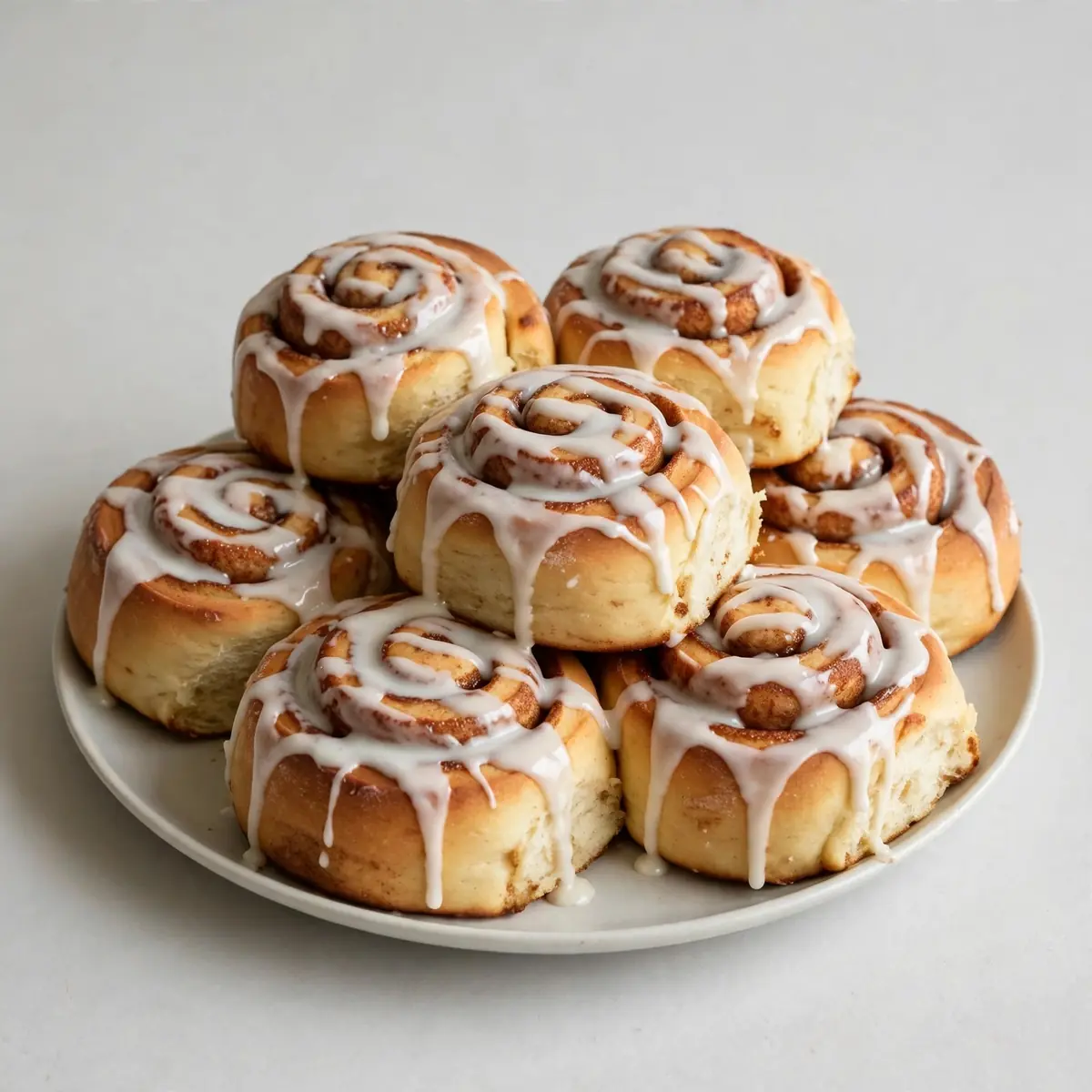
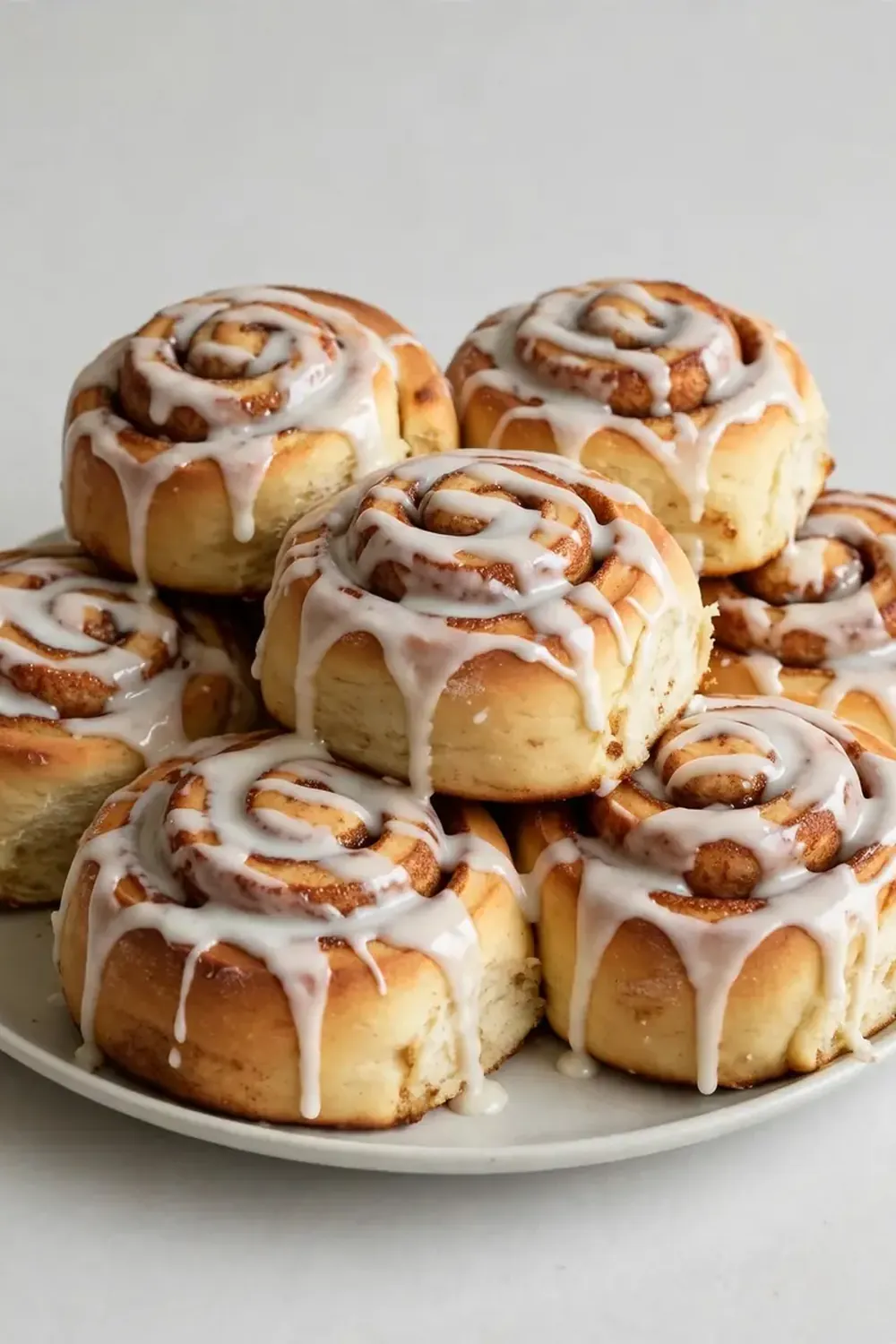
There is a particular magic in pulling a tray of homemade Classic Cinnamon Rolls from the oven when you have guests seated at the table. The spiral of soft, enriched dough, the glossy sheen of the cream cheese frosting beginning to melt into the warm crevices — it is not merely a breakfast item; it is a centrepiece. I used to struggle with this dish until I discovered the technique of par-baking and the art of the final glaze, and now this is my go-to recipe when I need something quick but impressive for a brunch gathering. Let us move beyond the sticky, messy tray and aim for a restaurant-quality experience that looks as stunning as it tastes.
Recipe Overview
- Prep Time: 35 minutes
- Cook Time: 22-25 minutes
- Total Time: 3 hours (including rising)
- Servings: 9 generous rolls
- Difficulty: Intermediate
Why You’ll Love This Classic Cinnamon Rolls
- Stunning Presentation: Each roll is perfectly portioned and stands tall, creating a beautiful grid of golden-brown spirals that looks like it belongs in a patisserie window.
- Deep, Complex Flavour: We use a double hit of cinnamon — one in the dough and one in the filling — creating a warmth that lingers without being cloying.
- Professional Texture: The dough is soft and pillowy, yet sturdy enough to hold its shape when sliced, giving you that clean, elegant spiral every time.
- Make-Ahead Friendly: You can prepare the rolls the night before, meaning you spend less time in the kitchen and more time with your guests.
- Customisable Elegance: A simple dusting of flaky sea salt or a drizzle of honey over the final glaze elevates the dish from home-baked to high-end restaurant fare.
Ingredients You’ll Need
- 500g strong white bread flour, plus extra for dusting
- 7g sachet fast-action dried yeast
- 80g caster sugar
- 1 tsp fine sea salt
- 1 tsp ground cinnamon
- 300ml whole milk, lukewarm
- 1 large egg, lightly beaten
- 75g unsalted butter, melted and cooled slightly
- For the filling:
- 100g light brown sugar, firmly packed
- 2 tbsp ground cinnamon
- 75g unsalted butter, very soft
- 1 tbsp plain flour
- For the cream cheese frosting:
- 200g full-fat cream cheese, room temperature
- 80g unsalted butter, room temperature
- 250g icing sugar, sifted
- 1 tsp vanilla bean paste (or extract)
- Pinch of salt
Tip: For the most impressive results, use vanilla bean paste rather than extract — the tiny black specks give the frosting a sophisticated, speckled look that signals quality instantly.
How to Make Classic Cinnamon Rolls
- Bloom the yeast: In a small bowl, combine the lukewarm milk with 1 tablespoon of the caster sugar and the dried yeast. Stir gently and let it sit for 5-8 minutes. You are looking for a frothy, bubbly surface — it should smell slightly bready and yeasty, like a warm bakery. If nothing happens, your yeast is dead and you must start again.
- Make the dough: In a large mixing bowl, whisk together the strong white bread flour, the remaining caster sugar, fine sea salt, and ground cinnamon. Create a well in the centre and pour in the frothy yeast mixture, the beaten egg, and the melted butter. Mix with a wooden spoon until a rough, shaggy dough forms — it will look lumpy and uncooperative at this stage, but do not worry.
- Knead to silkiness: Turn the dough out onto a lightly floured surface. Knead for 8-10 minutes. The dough should transform from a sticky, rough mass into a smooth, elastic ball that springs back when you poke it. If you use a stand mixer with a dough hook, this takes about 6 minutes. The dough should feel soft, supple, and slightly tacky — not wet — and it should smell sweet and buttery.
- First rise: Place the dough in a lightly oiled bowl, cover with cling film or a damp tea towel, and leave it in a warm, draught-free spot for 1.5 hours, or until it has doubled in size. The dough should look puffy and domed, and when you gently press a finger into it, the indent should remain.
- Prepare the filling and shape: On a floured surface, roll the dough out into a rectangle approximately 35cm x 25cm. Spread the very soft butter evenly across the dough, leaving a 2cm border at the far edge. Mix the brown sugar, cinnamon, and plain flour together in a small bowl, then sprinkle this mixture evenly over the butter. Starting from the long edge closest to you, roll the dough tightly into a log, sealing the seam by pinching it together. The log should feel firm and uniform.
- Slice with precision: Using a sharp serrated knife or unflavoured dental floss, slice the log into 9 equal pieces, each about 4cm thick. If using floss, slide it under the log, cross the ends over the top, and pull — this gives you a clean cut without squashing the spiral. Place the rolls in a buttered 23cm square baking dish or a 22cm round cake tin, leaving a small gap between each one. They should be snug but not squashed.
- Second rise and bake: Cover the dish with cling film and let the rolls rise for 45 minutes. They should puff up and touch each other. Preheat your oven to 190°C (170°C fan) or 375°F. Bake for 22-25 minutes. The rolls should be a deep golden brown on top, with the edges of the dough visibly caramelised. You should be able to smell the cinnamon and butter filling the kitchen. Remove from the oven and let them cool in the dish for exactly 10 minutes — this is crucial for the texture.
- The final touch: While the rolls cool, make the frosting by beating the cream cheese and butter together until smooth and fluffy. Gradually add the sifted icing sugar, vanilla bean paste, and a pinch of salt. Beat until the frosting is thick, glossy, and spreadable. Spoon the frosting over the warm rolls, letting it melt down into the crevices. For a restaurant-quality finish, use the back of a spoon to create deliberate swoops and swirls, then sprinkle with a tiny pinch of flaky sea salt.
Tips From My Kitchen
- Use a digital thermometer for your milk: The milk should be between 37°C and 43°C (98°F-110°F). If it is too hot, it will kill the yeast; too cold, and the yeast will not activate. This single detail is the difference between a fluffy roll and a dense brick. I always test the milk on the inside of my wrist — it should feel like a warm bath, not hot water.
- Do not skip the flour in the filling: Adding one tablespoon of plain flour to the brown sugar and cinnamon mixture prevents the filling from turning into a sticky, sugary syrup that leaks out during baking. The flour absorbs the melted butter, creating a thick, fudge-like paste that stays inside the rolls, giving you that perfect, gooey centre without the mess.
- Chill the log before slicing: After rolling your dough into a log, wrap it tightly in cling film and pop it into the fridge for 15-20 minutes. This firms up the butter in the filling, making it infinitely easier to slice cleanly. The result is a perfect spiral on every single roll, which is essential for an impressive presentation.
- Use a dark-coloured baking tin: A dark, non-stick tin absorbs heat better than a shiny, light-coloured one. This promotes deeper caramelisation on the bottom and sides of the rolls, giving you that rich, almost sticky bottom that professional bakers achieve. If you only have a light tin, place it on the lowest oven rack to get more direct heat.
- Warm your frosting ingredients: Take the cream cheese and butter out of the fridge at least an hour before you plan to make the frosting. If they are too cold, the frosting will be lumpy and split. Room-temperature ingredients whip together into a silky, homogenous glaze that spreads like a dream and stays glossy for hours.
Common Mistakes to Avoid
- Overcrowding the pan: If you pack the rolls too tightly, they will rise upwards rather than outwards, creating tall, uneven buns with undercooked centres. Leave a small gap — about 1cm — between each roll. They should touch after the second rise, not before. This ensures even baking and a beautiful, uniform shape.
- Wrong temperature: Baking at too high a temperature will brown the exterior before the centre is cooked through, leaving you with a raw, doughy middle. Conversely, a low temperature will dry out the rolls. Stick to 190°C (170°C fan) and use an oven thermometer to verify your oven’s accuracy — most home ovens run hot or cold by a significant margin.
- Skipping the rest time: The 10-minute rest after baking is non-negotiable. If you add the frosting immediately, it will melt into a puddle and slide off the rolls. If you wait too long, the rolls will cool completely and the frosting will sit on top like a stiff hat. Ten minutes allows the rolls to cool enough to absorb the frosting slightly, creating that irresistible, glossy finish.
Delicious Variations to Try
- Spicy Version: Add 1/2 teaspoon of cayenne pepper and 1 teaspoon of ground cardamom to the brown sugar filling. The warmth of the cayenne plays beautifully against the sweet, creamy frosting, creating a sophisticated, grown-up flavour profile that will surprise and delight your guests.
- Vegetarian/Vegan Option: Substitute the butter with a high-quality vegan block butter (not spread) and use oat milk in place of whole milk. For the egg, use 60ml of unsweetened apple sauce or a flax egg (1 tbsp ground flaxseed mixed with 3 tbsp water). The cream cheese can be swapped for a thick, plain coconut yoghurt mixed with a little icing sugar and lemon juice.
- Different Protein: For a savoury-sweet twist, add 100g of finely chopped toasted pecans or walnuts to the filling. The nuts add a crunchy texture and a nutty depth that contrasts perfectly with the soft dough and the creamy frosting, making for an even more impressive dish.
What to Serve With Classic Cinnamon Rolls
- A pot of strong, freshly brewed coffee or a selection of loose-leaf teas to balance the sweetness.
- A side of fresh berries or a light citrus salad to cut through the richness.
- For a full brunch spread, consider a savoury dish like the Garlic Parmesan Chicken Bites Recipe — the salty, savoury notes are the perfect counterpoint to the sweet rolls.
Still hungry for ideas? You might also love Banana Bread Cinnamon Rolls, Bake This Sweet Banana Cinnamon Rolls Recipe from our sister kitchens.
Frequently Asked Questions
Classic Cinnamon Rolls
Ingredients
Method
- Bloom the yeast: In a small bowl, combine the lukewarm milk with 1 tablespoon of the caster sugar and the dried yeast. Stir gently and let it sit for 5-8 minutes. You are looking for a frothy, bubbly surface — it should smell slightly bready and yeasty, like a warm bakery. If nothing happens, your yeast is dead and you must start again.
- Make the dough: In a large mixing bowl, whisk together the strong white bread flour, the remaining caster sugar, fine sea salt, and ground cinnamon. Create a well in the centre and pour in the frothy yeast mixture, the beaten egg, and the melted butter. Mix with a wooden spoon until a rough, shaggy dough forms — it will look lumpy and uncooperative at this stage, but do not worry.
- Knead to silkiness: Turn the dough out onto a lightly floured surface. Knead for 8-10 minutes. The dough should transform from a sticky, rough mass into a smooth, elastic ball that springs back when you poke it. If you use a stand mixer with a dough hook, this takes about 6 minutes. The dough should feel soft, supple, and slightly tacky — not wet — and it should smell sweet and buttery.
- First rise: Place the dough in a lightly oiled bowl, cover with cling film or a damp tea towel, and leave it in a warm, draught-free spot for 1.5 hours, or until it has doubled in size. The dough should look puffy and domed, and when you gently press a finger into it, the indent should remain.
- Prepare the filling and shape: On a floured surface, roll the dough out into a rectangle approximately 35cm x 25cm. Spread the very soft butter evenly across the dough, leaving a 2cm border at the far edge. Mix the brown sugar, cinnamon, and plain flour together in a small bowl, then sprinkle this mixture evenly over the butter. Starting from the long edge closest to you, roll the dough tightly into a log, sealing the seam by pinching it together. The log should feel firm and uniform.
- Slice with precision: Using a sharp serrated knife or unflavoured dental floss, slice the log into 9 equal pieces, each about 4cm thick. If using floss, slide it under the log, cross the ends over the top, and pull — this gives you a clean cut without squashing the spiral. Place the rolls in a buttered 23cm square baking dish or a 22cm round cake tin, leaving a small gap between each one. They should be snug but not squashed.
- Second rise and bake: Cover the dish with cling film and let the rolls rise for 45 minutes. They should puff up and touch each other. Preheat your oven to 190°C (170°C fan) or 375°F. Bake for 22-25 minutes. The rolls should be a deep golden brown on top, with the edges of the dough visibly caramelised. You should be able to smell the cinnamon and butter filling the kitchen. Remove from the oven and let them cool in the dish for exactly 10 minutes — this is crucial for the texture.
- The final touch: While the rolls cool, make the frosting by beating the cream cheese and butter together until smooth and fluffy. Gradually add the sifted icing sugar, vanilla bean paste, and a pinch of salt. Beat until the frosting is thick, glossy, and spreadable. Spoon the frosting over the warm rolls, letting it melt down into the crevices. For a restaurant-quality finish, use the back of a spoon to create deliberate swoops and swirls, then sprinkle with a tiny pinch of flaky sea salt.
Notes
There is a profound satisfaction in watching guests reach for a second roll, their eyes widening as they pull apart the soft, spiralled layers. These Classic Cinnamon Rolls are more than a recipe; they are an experience — one that you have crafted with intention and care. The golden crust, the gooey centre, the elegant swoop of frosting — it all speaks to the effort you have put in, even if you managed to prepare most of it the night before. I encourage you to make these for your next gathering, to plate them with pride, and to watch them disappear. If you have a tip of your own or a question about the process, please do leave a comment below — I love hearing how these rolls turn out in your kitchen.