Southern Biscuits And Gravy
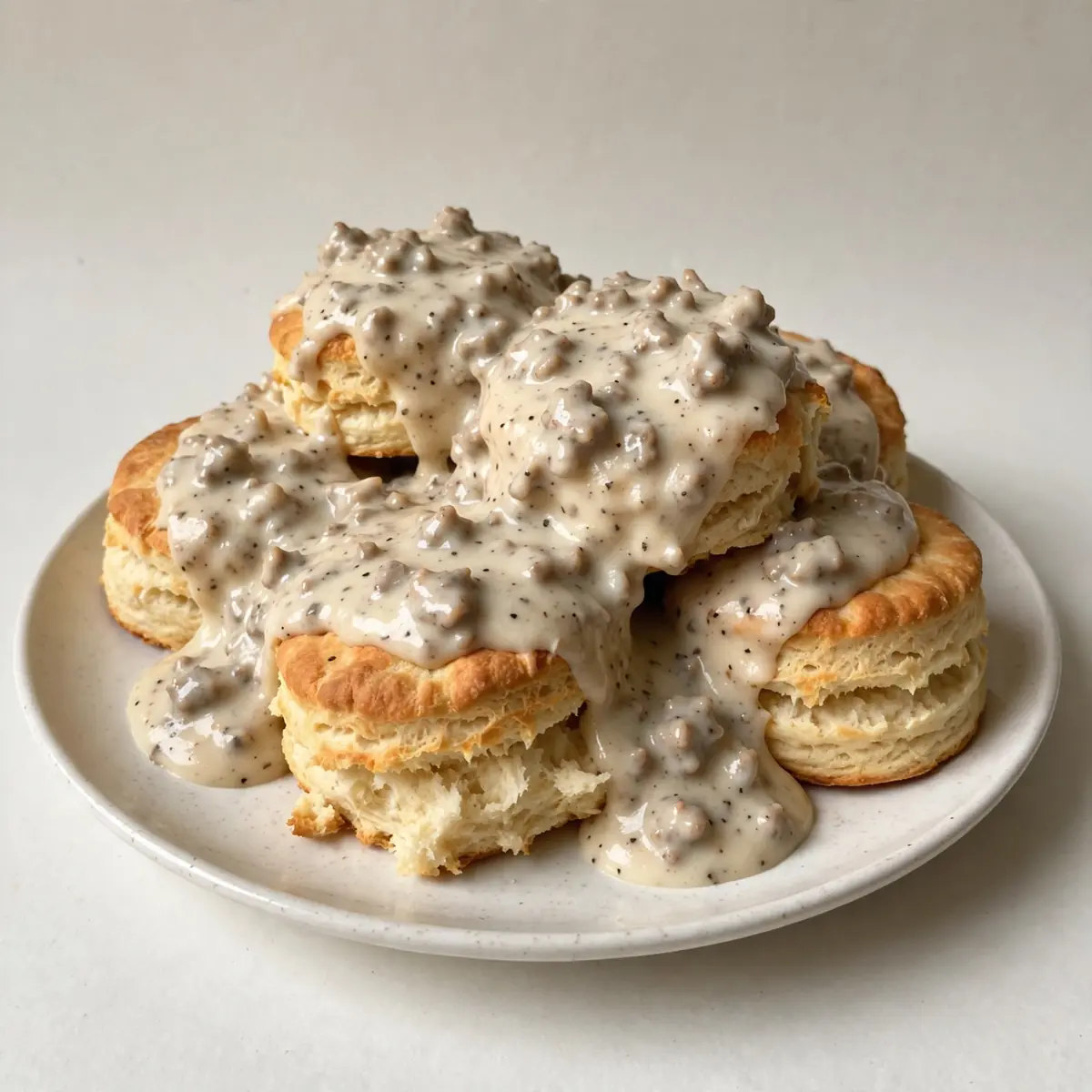
I remember the first time I served Southern biscuits and gravy to guests; I was aiming for humble comfort, but the silence at the table—broken only by the clink of forks—told me I had stumbled onto something far more impressive. This isn’t a rustic breakfast you hide away; it’s a showstopper you plate with intention, where a golden, flaky biscuit becomes a pedestal for a velvety, peppered gravy that clings just so. Let’s skip the lore and get straight to building a dish that tastes as polished as it looks.
Recipe Overview
- Prep Time: 25 minutes
- Cook Time: 20 minutes
- Total Time: 45 minutes
- Servings: 4 generous portions
- Difficulty: Medium
Why You’ll Love This Southern Biscuits and Gravy
- Restaurant-worthy presentation: Each component is built to stack beautifully, with glossy gravy that drapes over tall, split biscuits for a plate that demands a photograph.
- Deep, savoury flavour without shortcuts: We build the gravy from a rich, well-browned roux and seasoned minced meat, creating layers of taste that taste like hours of simmering—in under thirty minutes.
- Foolproof biscuit texture: These biscuits rise tall with flaky, buttery layers and a tender crumb, thanks to a careful hand with cold butter and minimal handling.
- Customisable for any guest: The gravy base welcomes subtle twists—a pinch of smoked paprika or a dash of hot sauce—without losing its classic soul.
- Make-ahead friendly: Both the biscuits and gravy can be prepared separately and assembled at the last minute, making you look effortlessly organised when company arrives.
Ingredients You’ll Need
- 450g plain flour (plus extra for dusting)
- 2 tablespoons baking powder
- 1 teaspoon fine sea salt
- 1 teaspoon caster sugar
- 120g cold unsalted butter, cut into 1cm cubes
- 300ml cold full-fat milk (for biscuits)
- 1 tablespoon melted unsalted butter (for brushing tops)
- 1 tablespoon olive oil
- 500g minced beef (15% fat recommended)
- 1 medium brown onion, finely diced
- 2 cloves garlic, minced
- 1 teaspoon freshly cracked black pepper (plus more for finishing)
- 1 teaspoon smoked paprika (optional, for depth)
- 3 tablespoons plain flour (for the gravy roux)
- 700ml whole milk (for gravy)
- 1 teaspoon Worcestershire sauce
- Salt to taste
- Fresh parsley, finely chopped (for garnish)
Tip: Keep the butter and milk for the biscuits as cold as possible—pop them in the fridge for 15 minutes before you start. This ensures the butter stays solid during mixing, creating those coveted flaky steam pockets.
How to Make Southern Biscuits and Gravy
- Preheat the oven to 220°C (200°C fan). Line a baking tray with parchment paper. In a large mixing bowl, whisk together 450g plain flour, 2 tablespoons baking powder, 1 teaspoon salt, and 1 teaspoon sugar. The mixture should look uniform and feel fine and powdery between your fingers.
- Cut in the cold butter. Add the cold butter cubes to the flour mixture. Using a pastry cutter or your fingertips, work the butter into the flour until it resembles coarse breadcrumbs with some pea-sized butter lumps remaining. You should see distinct yellow flecks throughout—this is the key to flaky layers.
- Add the milk and bring together. Make a well in the centre and pour in 300ml cold milk. Stir with a fork just until a shaggy dough forms—it will look uneven and rough. Turn it out onto a lightly floured surface and gently knead 4–5 times until it just holds together. Overworking it will make the biscuits tough.
- Pat and cut the biscuits. Pat the dough into a rectangle about 2.5cm thick. Fold it in half, then pat out again to 2.5cm thickness—this creates extra layers. Using a floured 7cm round cutter, press straight down without twisting (twisting seals the edges). Place biscuits 2.5cm apart on the prepared tray. Brush tops with melted butter. Bake for 14–16 minutes until deep golden brown and fragrant. The biscuits should sound hollow when tapped on the bottom.
- Start the gravy base while biscuits bake. Heat 1 tablespoon olive oil in a large frying pan over medium-high heat. Add the minced beef and cook, breaking it apart with a wooden spoon, until deeply browned—about 6–8 minutes. You’ll hear a vigorous sizzle that quiets as the moisture evaporates. The meat should smell nutty and look caramelised in spots.
- Sweat the aromatics. Reduce heat to medium. Add the diced onion and cook for 3–4 minutes until softened and translucent. The onion will release moisture and the pan will steam slightly. Stir in the minced garlic, 1 teaspoon black pepper, and smoked paprika if using. Cook for 30 seconds until the garlic smells fragrant but not burnt.
- Make the roux and finish the gravy. Sprinkle 3 tablespoons plain flour over the meat mixture and stir constantly for 1 minute—the paste will look dry and smell toasted. Slowly pour in 700ml milk while whisking continuously to prevent lumps. Increase heat to medium-high and bring to a gentle simmer, stirring often. The gravy will thicken after 4–5 minutes; it should coat the back of a spoon and have a smooth, glossy sheen. Stir in Worcestershire sauce and season with salt to taste. The final gravy should be thick enough to hold a line drawn through it with the spoon.
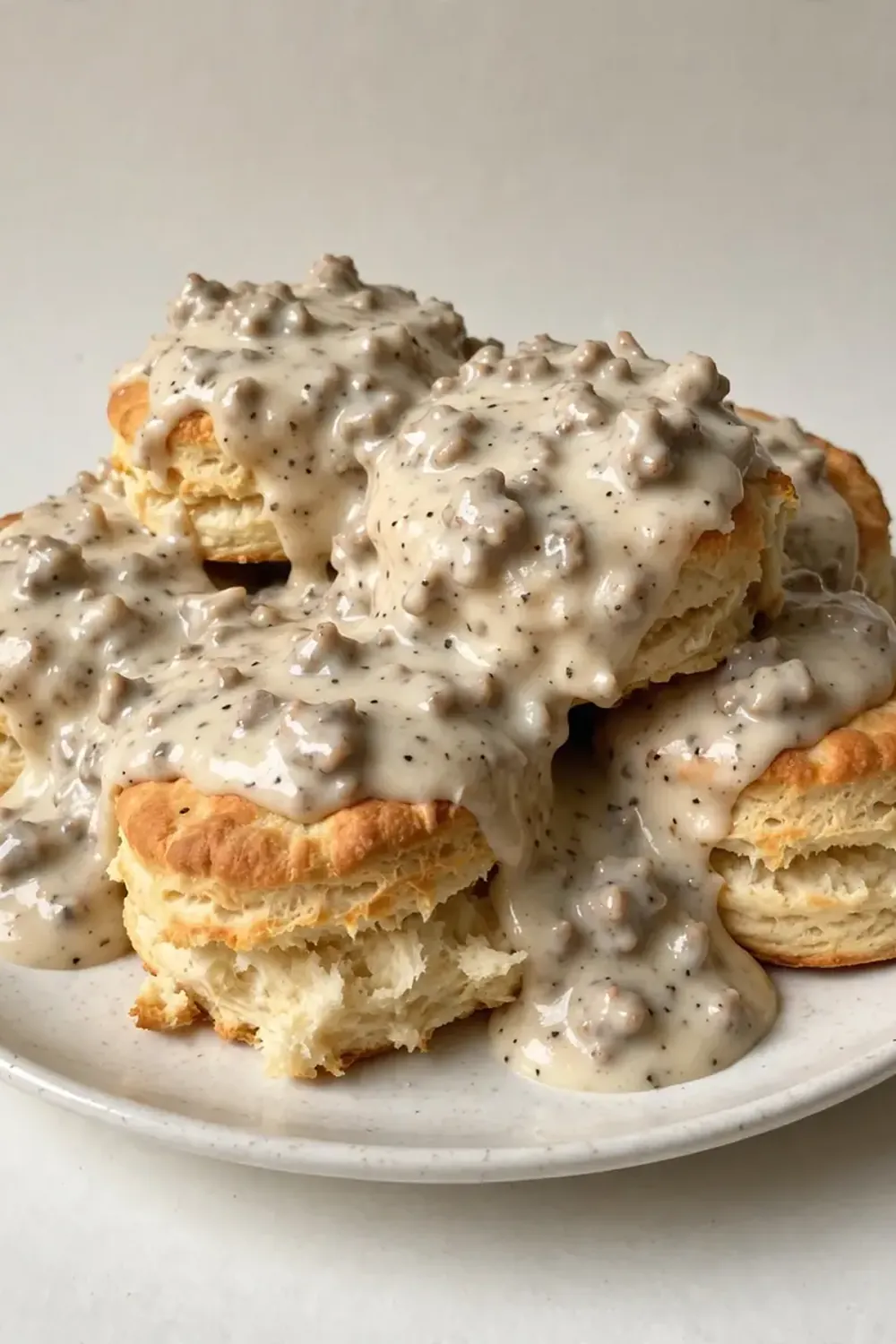
- Assemble and serve. Split each warm biscuit in half and place the bottom halves on plates. Spoon a generous amount of gravy over each bottom half, then cap with the biscuit top. Spoon additional gravy over the top, letting it cascade down the sides. Finish with a final crack of black pepper and a sprinkle of fresh parsley. The biscuits should yield a crisp exterior with a soft, steamy interior when broken.
Tips From My Kitchen
- Keep everything cold for the biscuits: Biscuit success lives or dies on temperature. If your butter or milk warms up, the butter will melt into the flour before baking, producing dense, flat biscuits. I chill my mixing bowl and flour for 10 minutes if my kitchen is warm. The cold butter creates steam as it melts in the oven, forcing the layers apart.
- Brown the meat thoroughly for deep flavour: Do not rush this step. The Maillard reaction—that browning of proteins—is what gives the gravy its savoury backbone. Cook the beef in a single layer without stirring too often. Let it sit for a minute before breaking it up; you want deep caramelisation, not grey meat. The colour should be a rich mahogany.
- Season the gravy in layers: Add pepper at the start with the aromatics, then adjust salt and more pepper at the end. This builds complexity rather than a flat, one-note heat. I add a final crack of pepper right before serving for a fresh, aromatic pop that contrasts with the creamy gravy.
- Rest the biscuits before serving: Let the baked biscuits cool on the tray for 3–4 minutes. This allows the steam inside to redistribute, making the interior tender rather than gummy. Hot biscuits straight from the oven can collapse under the weight of the gravy—a short rest gives them structural integrity.
- Thin the gravy just before serving: Gravies thicken as they sit. If you prepare the gravy ahead, add a splash of milk or stock when reheating to restore the perfect consistency. It should flow slowly but not be watery—think double cream in texture.
Equipment You’ll Need
- Large frying pan or skillet (30cm is ideal for even browning)
- Sharp knife and cutting board
- Mixing bowls (one large, one small)
- Pastry cutter or two forks (for cutting in butter)
- 7cm round biscuit cutter (or a clean, sharp-edged glass)
- Wooden spoon or spatula
- Whisk (for lump-free gravy)
- Baking tray lined with parchment
- Pastry brush (for buttering biscuit tops)
Common Mistakes to Avoid
- Overworking the biscuit dough: Gluten develops with handling, turning tender biscuits into tough hockey pucks. Mix just until the dough comes together—a few streaks of flour are fine. Pat, don’t roll, and never knead more than 5–6 times. The dough should feel soft and slightly sticky, not smooth and elastic.
- Wrong temperature for the gravy roux: If the pan is too cool when you add the flour, the roux won’t cook properly and the gravy will taste raw and pasty. If too hot, the flour burns instantly, imparting a bitter flavour. Aim for medium heat, and stir the flour into the fat for a full minute—you’ll smell a toasty, nutty aroma when it’s ready.
- Skipping the rest time for the biscuits: I know the temptation to serve immediately, but resting is non-negotiable. The interior steam needs to settle, and the structure firms up. My husband, who’s usually picky, asked for seconds the first time I waited those crucial four minutes—he noticed the difference in flakiness immediately.
- Using low-fat milk in the gravy: Whole milk is essential for a velvety, stable gravy. Lower-fat options break more easily and lack the body to coat the biscuits properly. The fat also carries flavour, so skimping here makes the gravy taste thin and watery.
- Cutting biscuits with a twist: Press the cutter straight down without twisting. Twisting seals the cut edges, preventing the biscuits from rising evenly. They’ll bake lopsided and won’t split cleanly for plating.
What to Serve With Southern Biscuits and Gravy
- Soft scrambled eggs with a knob of butter—their creaminess balances the peppery gravy.
- A simple side of roasted cherry tomatoes tossed in olive oil and thyme, adding acidity to cut the richness.
- Fresh fruit salad with a squeeze of lime for a bright, refreshing contrast on the plate.
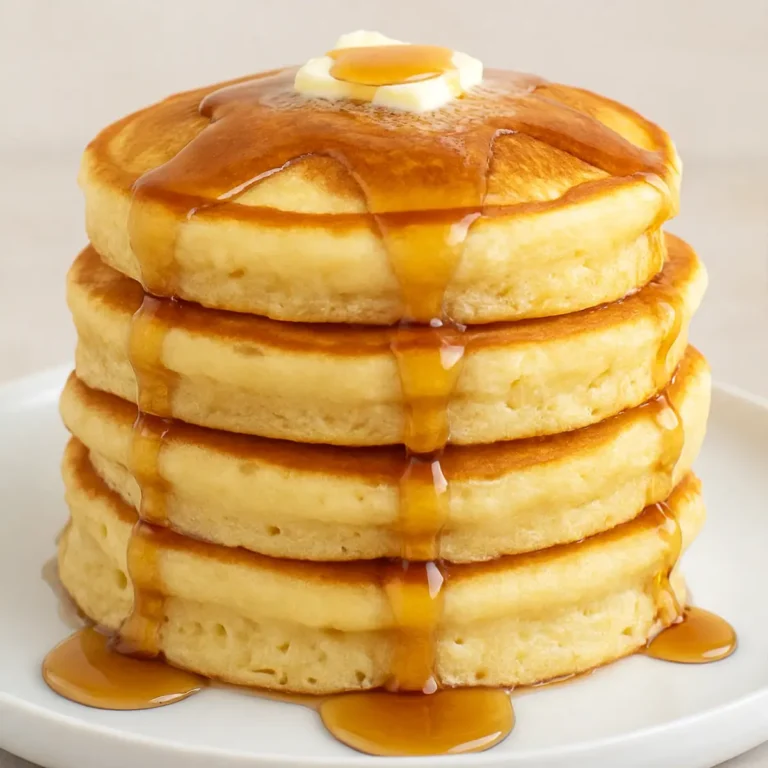
- For a heartier spread, try pairing with Fluffy Pancakes Recipe Breakfast for a truly indulgent morning table.
Still hungry for ideas? You might also love Grandma Barbs Southern Buttermilk Biscuits from our sister kitchens.
Frequently Asked Questions
Southern Biscuits and Gravy
Ingredients
Method
- Preheat the oven to 220°C (200°C fan). Line a baking tray with parchment paper. In a large mixing bowl, whisk together 450g plain flour, 2 tablespoons baking powder, 1 teaspoon salt, and 1 teaspoon sugar. The mixture should look uniform and feel fine and powdery between your fingers.
- Cut in the cold butter. Add the cold butter cubes to the flour mixture. Using a pastry cutter or your fingertips, work the butter into the flour until it resembles coarse breadcrumbs with some pea-sized butter lumps remaining. You should see distinct yellow flecks throughout—this is the key to flaky layers.
- Add the milk and bring together. Make a well in the centre and pour in 300ml cold milk. Stir with a fork just until a shaggy dough forms—it will look uneven and rough. Turn it out onto a lightly floured surface and gently knead 4–5 times until it just holds together. Overworking it will make the biscuits tough.
- Pat and cut the biscuits. Pat the dough into a rectangle about 2.5cm thick. Fold it in half, then pat out again to 2.5cm thickness—this creates extra layers. Using a floured 7cm round cutter, press straight down without twisting (twisting seals the edges). Place biscuits 2.5cm apart on the prepared tray. Brush tops with melted butter. Bake for 14–16 minutes until deep golden brown and fragrant. The biscuits should sound hollow when tapped on the bottom.
- Start the gravy base while biscuits bake. Heat 1 tablespoon olive oil in a large frying pan over medium-high heat. Add the minced beef and cook, breaking it apart with a wooden spoon, until deeply browned—about 6–8 minutes. You'll hear a vigorous sizzle that quiets as the moisture evaporates. The meat should smell nutty and look caramelised in spots.
- Sweat the aromatics. Reduce heat to medium. Add the diced onion and cook for 3–4 minutes until softened and translucent. The onion will release moisture and the pan will steam slightly. Stir in the minced garlic, 1 teaspoon black pepper, and smoked paprika if using. Cook for 30 seconds until the garlic smells fragrant but not burnt.
- Make the roux and finish the gravy. Sprinkle 3 tablespoons plain flour over the meat mixture and stir constantly for 1 minute—the paste will look dry and smell toasted. Slowly pour in 700ml milk while whisking continuously to prevent lumps. Increase heat to medium-high and bring to a gentle simmer, stirring often. The gravy will thicken after 4–5 minutes; it should coat the back of a spoon and have a smooth, glossy sheen. Stir in Worcestershire sauce and season with salt to taste. The final gravy should be thick enough to hold a line drawn through it with the spoon.
- Assemble and serve. Split each warm biscuit in half and place the bottom halves on plates. Spoon a generous amount of gravy over each bottom half, then cap with the biscuit top. Spoon additional gravy over the top, letting it cascade down the sides. Finish with a final crack of black pepper and a sprinkle of fresh parsley. The biscuits should yield a crisp exterior with a soft, steamy interior when broken.
Notes
After testing this recipe five times, I finally got it just right—the biscuits rise tall with shattering layers, and the gravy clings to every crevice without being heavy. This is the sort of dish that makes guests lean in for a closer look before they even pick up their fork. I’d love to hear how you plate yours—share your tweaks and triumphs in the comments below.