Perfect Pan-Seared T-Bone Steak
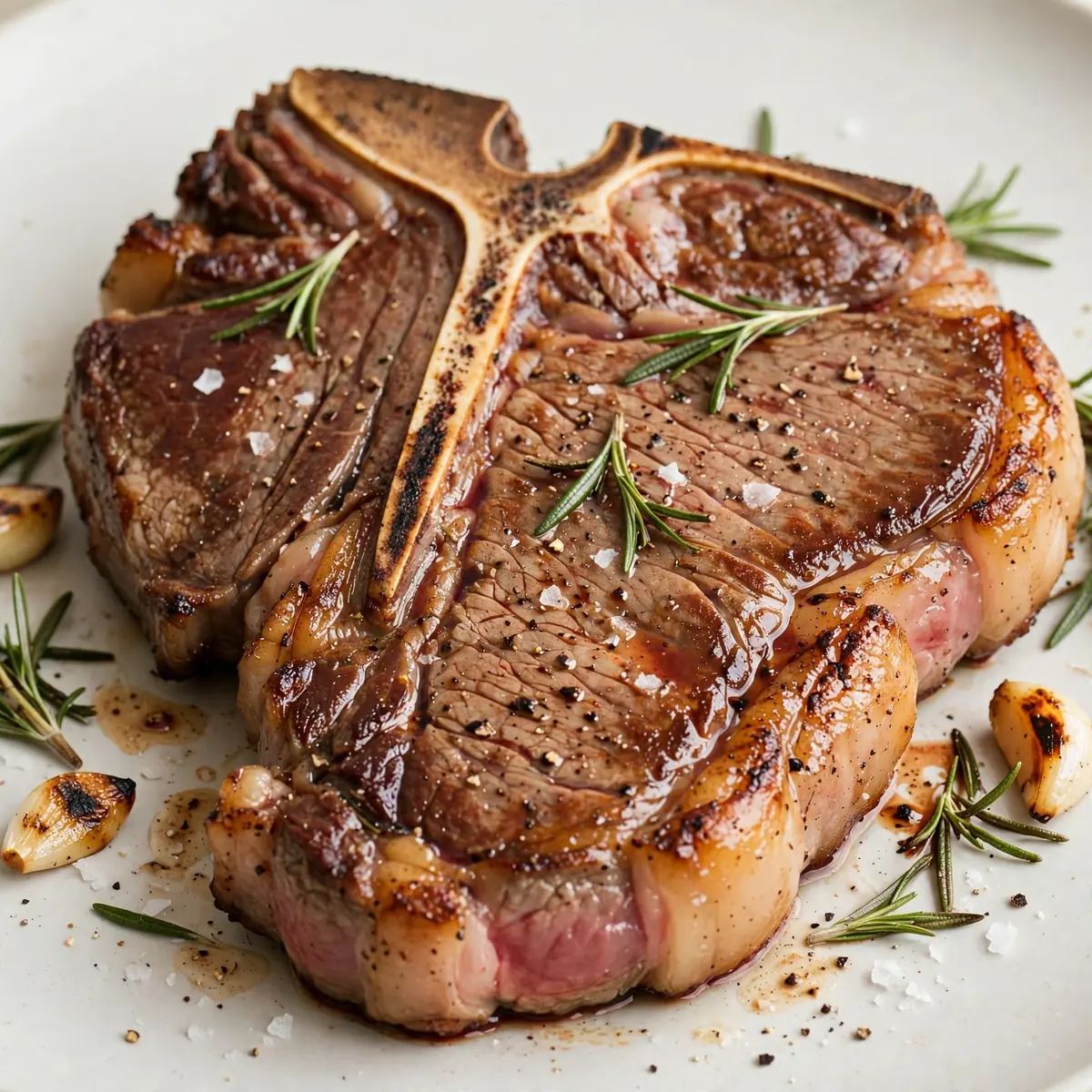
There’s a moment when a perfectly cooked T-bone steak lands on the plate — the sizzle has barely died down, the butter is still whispering in the pan, and your guests fall silent for a second before the first cut. That’s the moment I chase every time I cook for company. This isn’t about a mid-week rush dinner; this is about turning your kitchen into a backstage pass to a fine dining experience, and I’m going to show you exactly how to plate a showstopper that looks as incredible as it tastes.
Recipe Overview
- Prep Time: 15 minutes (including resting the steak before cooking)
- Cook Time: 10–12 minutes
- Total Time: 40 minutes (with resting time)
- Servings: 2 generous portions
- Difficulty: Moderate — the technique matters, but I promise you can master it
Why You’ll Love This Perfect Pan-Seared T-Bone Steak
- Restaurant presentation at home: The T-bone is a natural showpiece, and with a few plating tricks, it looks like it came straight from a steakhouse kitchen.
- Two cuts in one: You get the tenderloin on one side and the strip steak on the other — best of both worlds for your guests.
- Builds your confidence: Mastering the pan-sear technique here will elevate every steak you cook from now on.
- Minimal ingredients, maximum impact: You don’t need a pantry full of exotic spices; quality beef and proper heat do the heavy lifting.
- Impressive without being stressful: The steps are straightforward, and the sensory cues mean you’ll know exactly when each stage is right.
Ingredients You’ll Need
- 2 T-bone steaks, about 400g each and at least 2.5cm thick
- 2 tablespoons neutral oil (such as sunflower or rapeseed)
- 40g unsalted butter
- 4 cloves garlic, lightly crushed with the flat of a knife
- 4 sprigs fresh thyme
- 2 sprigs fresh rosemary
- Flaky sea salt, for finishing
- Freshly cracked black pepper
- Optional for plating: a small handful of watercress or rocket, and a wedge of lemon
Tip: Bring your steaks out of the fridge 30 minutes before cooking. A room-temperature steak sears more evenly and gives you that gorgeous, consistent crust.
How to Make Perfect Pan-Seared T-Bone Steak
- Pat the steaks bone-dry with kitchen paper. Moisture is the enemy of a good sear. You want the surface to feel tacky, not wet. Season generously on all sides with salt and pepper — don’t be shy, most of it will stay in the pan.
- Heat your pan over a high flame for a full 3 minutes. Add the oil; it should shimmer and ripple immediately when you tilt the pan. The sound of the oil hitting the hot metal is your first cue — a sharp, lively sizzle.
- Lay the steaks in the pan away from you to avoid any oil splatter. Listen for that aggressive, crackling hiss. Leave them completely untouched for 3 minutes. You’ll see the edges turn a deep mahogany brown, and the smell of toasting fat will fill your kitchen.
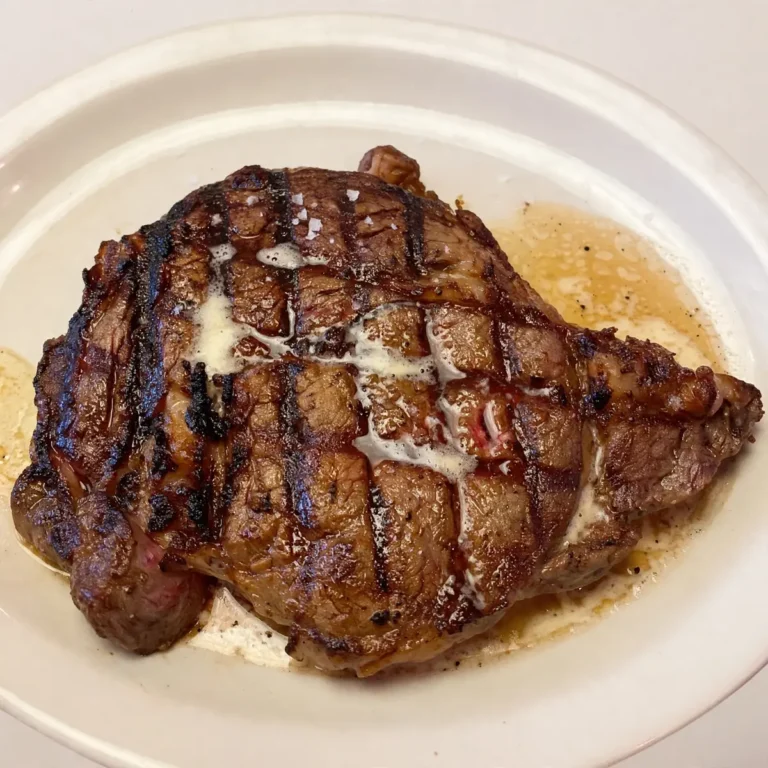
- Flip the steaks using tongs. The cooked side should be a rich, dark bronze with distinct grill-like marks. Cook for another 3 minutes on the second side, pressing gently to ensure full contact. The sizzle will mellow slightly as the crust forms.
- Reduce the heat to medium-low and add the butter, garlic, thyme, and rosemary. Tilt the pan slightly and use a spoon to baste the steaks with the foaming butter for 1–2 minutes. The butter will smell nutty and the herbs will release their oils — that aroma is your cue that the steak is nearly done.
- Check for doneness using a probe thermometer. For medium-rare, you want 52°C internal temperature. The steak should feel springy when pressed with a finger, and the crust will be brittle to the touch. Remove the steaks to a warm plate.
- Rest the steaks for a full 8 minutes before slicing. Do not skip this. Tent loosely with foil. The juices will redistribute, and the internal temperature will rise by about 2–3°C as it rests. The surface will stay warm, and the crust will remain crisp.
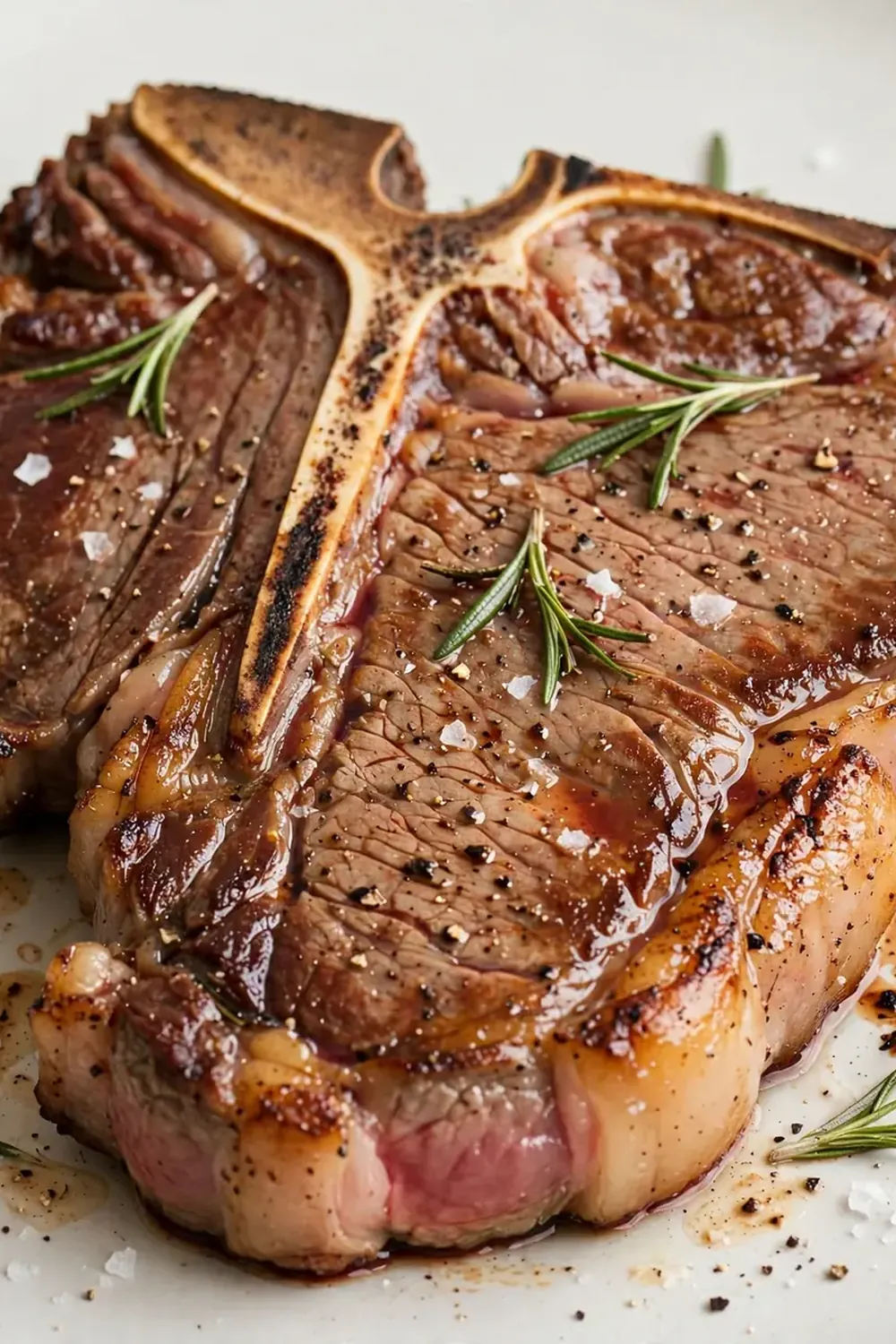
- Slice the meat away from the bone in thick strips against the grain. Arrange the slices back against the bone on the serving plate. Spoon over any resting juices from the plate and finish with a pinch of flaky sea salt.
Tips From My Kitchen
- Choose the right pan: A heavy-bottomed cast-iron or stainless-steel pan holds heat better than non-stick. You need that thermal mass to maintain a high temperature when the cold steak hits the surface. A thin pan will cool down instantly and you’ll boil the meat instead of searing it.
- Don’t move the steak too early: If you try to flip and the steak sticks, it’s not ready. The crust needs time to form a natural release. When it’s properly seared, it will lift away from the pan effortlessly. I stumbled upon this combination by accident — leaving the steak completely alone for the first few minutes — and it’s been a hit ever since. The crust is consistently better.
- Use a thermometer for confidence: Guessing doneness by touch takes practice. A probe thermometer removes all doubt. Insert it into the thickest part of the meat away from the bone for an accurate reading. This is the single best investment you can make for consistent results.
- Resting is non-negotiable: I know it’s tempting to serve immediately, but cutting into a steak right away releases all those precious juices onto the cutting board. Eight minutes of rest means every slice stays moist and tender on the plate.
- Finish with a flourish on the plate: After slicing, arrange the steak with the bone standing proud. Add a small pile of peppery rocket or watercress on the side. A tiny pinch of flaky salt right before serving catches the light and adds a final crunch. My kids absolutely devour this every time I make it, and they love the “fancy” look of the bone on the plate.
Common Mistakes to Avoid
- Overcrowding the pan: If you crowd the pan, the temperature drops and the steaks steam instead of searing. You end up with a grey, tough exterior rather than a golden crust. Cook one steak at a time if your pan isn’t large enough, or use two pans. The sizzle should be loud and constant, not weak and sputtering.
- Wrong temperature: Starting with a pan that’s not hot enough is the most common error. The oil should shimmer and ripple immediately. If you see wisps of smoke, you’re at the right temperature. If you don’t see any movement in the oil, wait another minute. A low starting temperature means the steak will release moisture before it forms a crust, leaving it tough.
- Skipping the rest time: Resting allows the muscle fibres to relax and reabsorb the juices. Without this step, you’ll have a puddle of red liquid on the plate and a dry, disappointing steak. The eight-minute wait is what transforms a good steak into a great one — it’s not wasted time, it’s essential technique.
Delicious Variations to Try
- Spicy Version: Add a dried red chilli to the butter during basting, or rub the steak with a mixture of smoked paprika and cayenne pepper before searing. The heat complements the beefy flavour beautifully, and the chilli-infused butter adds a gentle warmth that lingers.
- Vegetarian/Vegan Option: Use a thick portobello mushroom cap or a slab of halloumi (if not vegan) or a firm tofu steak. Sear the mushroom or halloumi in the same way, basting with herb butter (use vegan butter for the mushroom). The technique works brilliantly — you still get that golden crust and rich, savoury finish.
- Different Protein: This pan-searing method works wonderfully with a thick-cut ribeye or sirloin steak. Adjust the cooking time based on thickness. For a Crispy Chicken Sandwich Recipe approach, you can use the same high-heat searing technique on a chicken breast, though the timing will be shorter. The basting method is versatile across proteins.
What to Serve With Perfect Pan-Seared T-Bone Steak
- Creamy mashed potatoes: The smooth texture contrasts with the crisp crust. Try our Chicken And Mashed Potatoes Recipe for the potato method, then simply pair it with the steak.
- Grilled asparagus or tenderstem broccoli: A quick char in the same pan after the steak rests adds a smoky edge and a pop of green on the plate.
- A simple watercress and lemon salad: The peppery leaves and sharp citrus cut through the richness of the beef, making each bite feel lighter.
- Roasted cherry tomatoes: Halve them, drizzle with oil, and roast at 200°C for 15 minutes. Their sweetness balances the savoury steak perfectly.
Still hungry for ideas? You might also love Pan Seared Red Snapper Fillets Fish, Pan Seared Chicken With Zesty Lemon Mustard Sauce from our sister kitchens.
Frequently Asked Questions
Perfect Pan-Seared T-Bone Steak
Ingredients
Method
- Pat the steaks bone-dry with kitchen paper. Moisture is the enemy of a good sear. You want the surface to feel tacky, not wet. Season generously on all sides with salt and pepper — don’t be shy, most of it will stay in the pan.
- Heat your pan over a high flame for a full 3 minutes. Add the oil; it should shimmer and ripple immediately when you tilt the pan. The sound of the oil hitting the hot metal is your first cue — a sharp, lively sizzle.
- Lay the steaks in the pan away from you to avoid any oil splatter. Listen for that aggressive, crackling hiss. Leave them completely untouched for 3 minutes. You’ll see the edges turn a deep mahogany brown, and the smell of toasting fat will fill your kitchen.
- Flip the steaks using tongs. The cooked side should be a rich, dark bronze with distinct grill-like marks. Cook for another 3 minutes on the second side, pressing gently to ensure full contact. The sizzle will mellow slightly as the crust forms.
- Reduce the heat to medium-low and add the butter, garlic, thyme, and rosemary. Tilt the pan slightly and use a spoon to baste the steaks with the foaming butter for 1–2 minutes. The butter will smell nutty and the herbs will release their oils — that aroma is your cue that the steak is nearly done.
- Check for doneness using a probe thermometer. For medium-rare, you want 52°C internal temperature. The steak should feel springy when pressed with a finger, and the crust will be brittle to the touch. Remove the steaks to a warm plate.
- Rest the steaks for a full 8 minutes before slicing. Do not skip this. Tent loosely with foil. The juices will redistribute, and the internal temperature will rise by about 2–3°C as it rests. The surface will stay warm, and the crust will remain crisp.
- Slice the meat away from the bone in thick strips against the grain. Arrange the slices back against the bone on the serving plate. Spoon over any resting juices from the plate and finish with a pinch of flaky sea salt.
Notes
Now it’s your turn to bring that restaurant-quality moment to your table. I’d love to hear how your T-bone turned out — drop a comment below and let me know which plating touch was the biggest hit with your guests. If you’re looking for another impressive dinner idea, have a look at our Garlic Parmesan Chicken Bites Recipe for a completely different but equally stunning dish. Happy cooking!