Classic Braised Beef Short Ribs
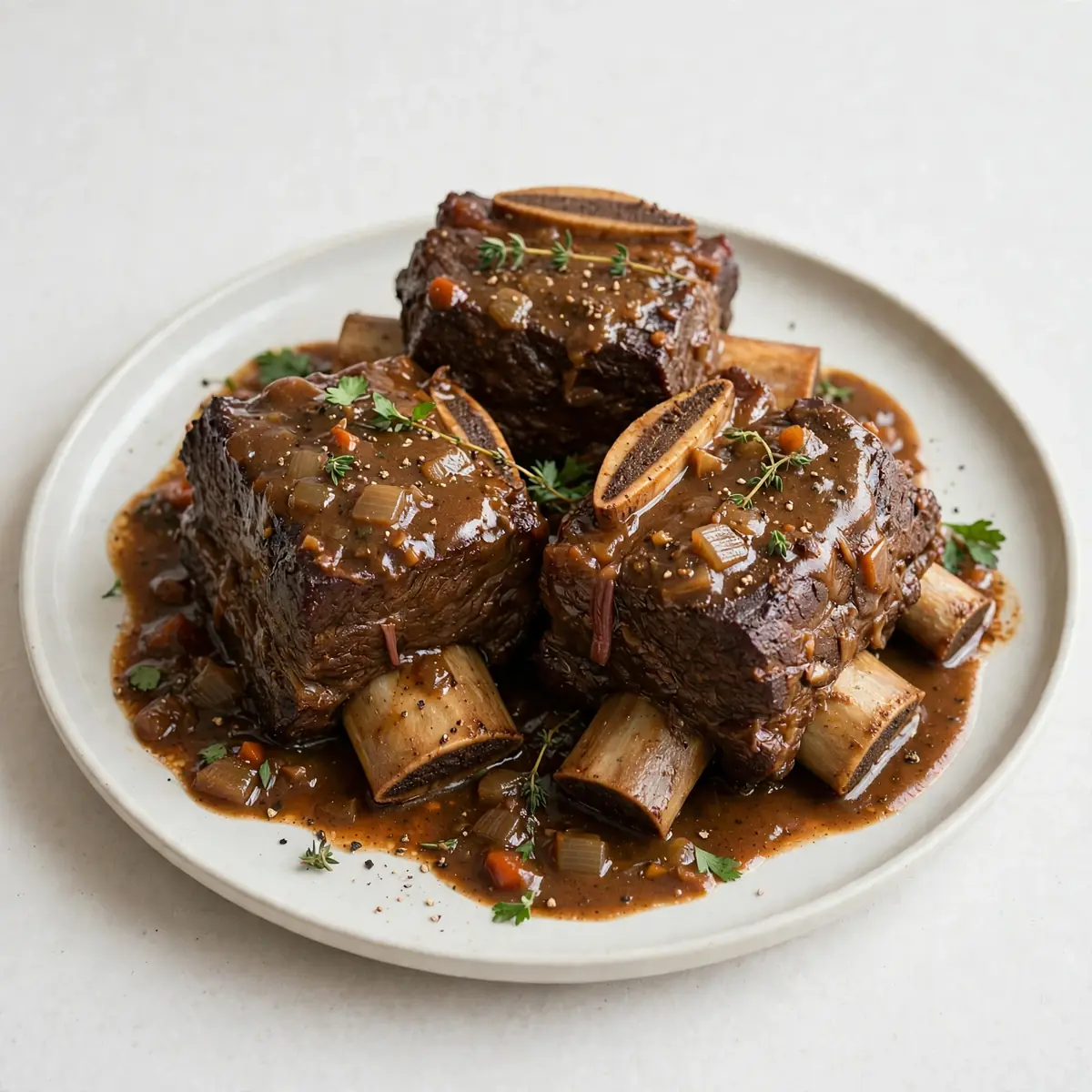
There are few things that impress dinner guests quite like a plate of Classic Braised Beef Short Ribs, and I’ve spent years perfecting my method to ensure they look as spectacular as they taste.
Recipe Overview
- Prep Time: 25 minutes
- Cook Time: 2 hours 45 minutes
- Total Time: 3 hours 10 minutes
- Servings: 4 generous portions
- Difficulty: Medium
Why You’ll Love This Classic Braised Beef Short Ribs
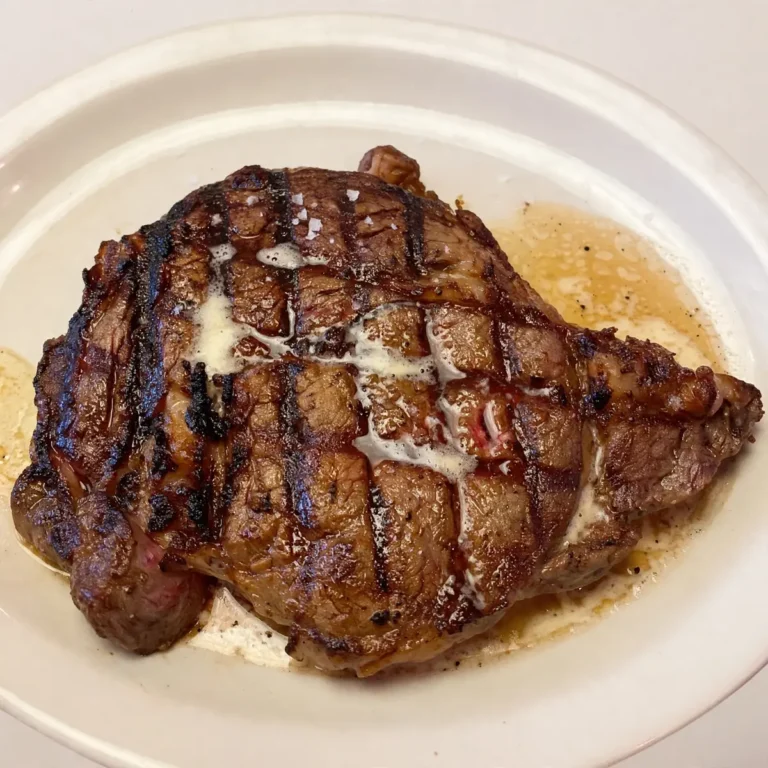
- Restaurant-quality presentation: The glossy, dark sauce and perfectly tender meat create a stunning plate that rivals any high-end establishment.
- Make-ahead convenience for entertaining: This dish actually improves when prepared a day in advance, giving you more time with your guests on the night.
- Deep, complex flavour from simple ingredients: There’s no need for exotic spices — the slow braising process draws out incredible richness from humble components.
- Foolproof tenderness every time: The low-and-slow cooking method guarantees meat that falls apart at the gentlest touch of a fork.
- Impressive without being stressful: Despite the elegant result, the technique is straightforward and forgiving, perfect for building your confidence as a cook.
Ingredients You’ll Need
- 1.5 kg beef short ribs, cut into individual pieces
- 2 tablespoons olive oil
- 2 large onions, finely diced
- 4 carrots, peeled and chopped into 2cm pieces
- 4 celery sticks, chopped into 2cm pieces
- 6 garlic cloves, crushed
- 3 tablespoons tomato purée
- 500 ml beef stock, preferably homemade
- 400 ml passata (strained tomatoes)
- 2 tablespoons balsamic vinegar
- 3 sprigs fresh thyme
- 2 bay leaves
- 1 cinnamon stick
- Salt and freshly ground black pepper, to taste
- 2 tablespoons unsalted butter
- Fresh flat-leaf parsley, finely chopped, for garnish
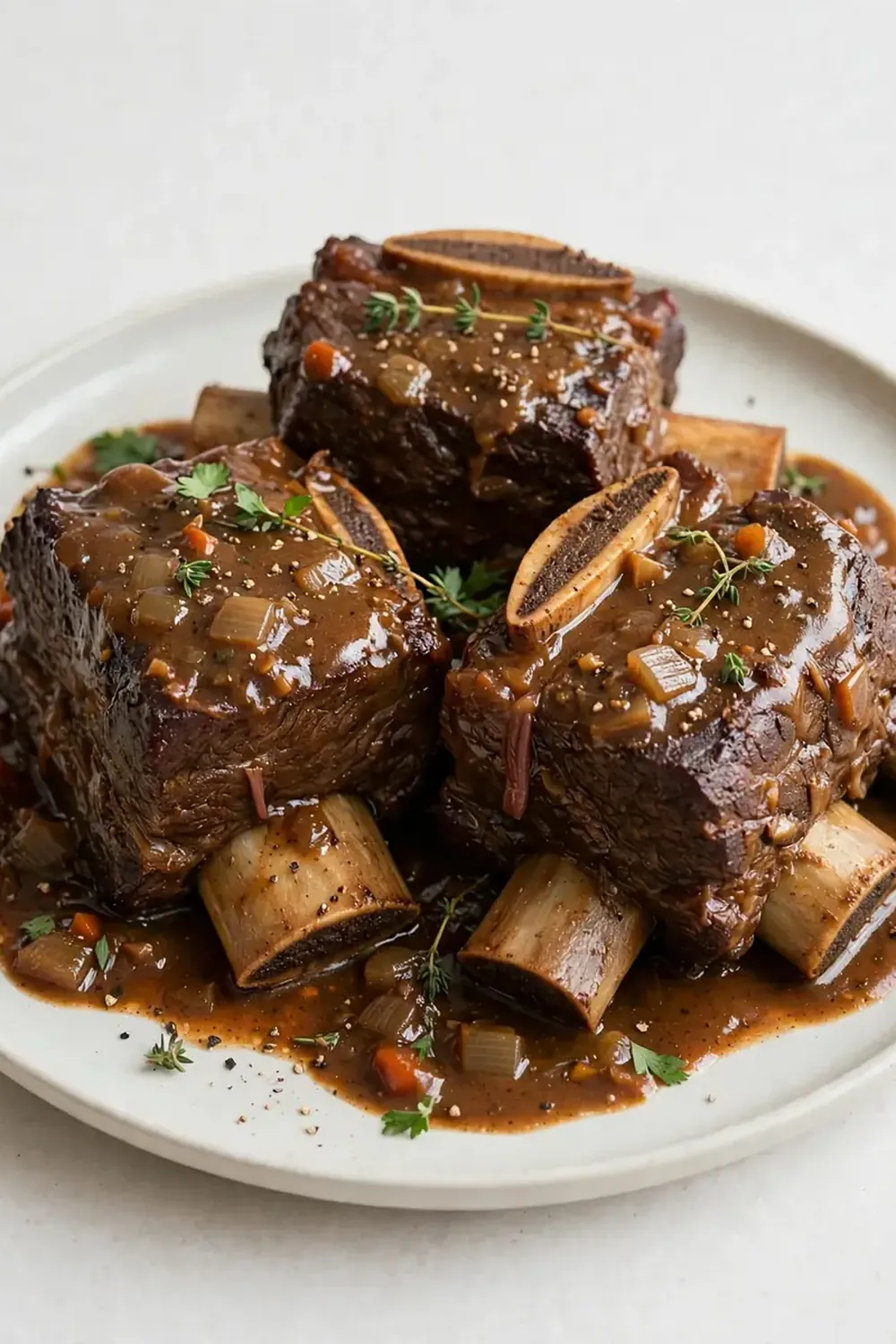
Tip: For the most impressive results, choose short ribs with good marbling and a generous meat-to-bone ratio — the bone adds immense flavour during braising and creates a beautiful presentation on the plate.
How to Make Classic Braised Beef Short Ribs
- Prepare the short ribs: Pat the short ribs completely dry with kitchen paper — this is essential for achieving a deep, dark sear. Season generously all over with salt and freshly ground black pepper, pressing the seasoning into the meat with your fingertips. Let the ribs sit at room temperature for 20 minutes before cooking.
- Sear the meat to perfection: Heat the olive oil in a large, heavy-based casserole dish or Dutch oven over a medium-high heat until it shimmers and a light haze rises from the surface. Working in two batches to avoid overcrowding, place the short ribs in the pan — you should hear a vigorous sizzle immediately. Sear for 4-5 minutes on each side until the meat develops a deep, mahogany-brown crust that smells intensely savoury and nutty. Transfer the seared ribs to a plate and set aside.
- Build the aromatic base: Reduce the heat to medium and add the diced onions to the same pot, scraping up any browned bits from the bottom with a wooden spoon. Cook for 6-8 minutes, stirring occasionally, until the onions turn translucent and the edges begin to caramelise to a pale golden colour. Add the carrots and celery, and continue cooking for another 5 minutes until the vegetables soften and release a sweet, earthy aroma.
- Develop the flavour base: Stir in the crushed garlic and tomato purée, cooking for 2 minutes until the purée darkens to a deeper red and smells rich and concentrated. Pour in the balsamic vinegar and let it bubble for 30 seconds, scraping the bottom of the pot to incorporate all the caramelised bits — you’ll notice the vinegar’s sharp scent mellowing into something sweet and complex.
- Assemble the braise: Return the seared short ribs to the pot, nestling them into the vegetable mixture. Pour in the beef stock and passata, ensuring the liquid comes about two-thirds of the way up the sides of the ribs — add a splash more stock if needed. Tuck in the thyme sprigs, bay leaves, and cinnamon stick. Bring the liquid to a gentle simmer — you should see small bubbles lazily breaking the surface, not a vigorous boil.
- Braise low and slow: Cover the pot with a tight-fitting lid and transfer to a preheated oven at 160°C (140°C fan). Cook for 2 hours 15 minutes, then carefully remove the lid and test the meat — it should feel tender when pierced with a skewer and the bone should wobble slightly. Return to the oven uncovered for a final 30 minutes to allow the sauce to thicken slightly.
- Rest and finish the sauce: Remove the pot from the oven and let the ribs rest in the liquid for 15 minutes. Using tongs, carefully transfer the short ribs to a serving platter and cover loosely with foil. Strain the braising liquid through a fine-mesh sieve into a clean saucepan, pressing on the vegetables to extract all their flavour. Discard the thyme sprigs, bay leaves, and cinnamon stick. Bring the strained sauce to a gentle simmer over medium heat and whisk in the butter until it melts and the sauce becomes glossy and velvety — you’ll notice the texture change from thin to luxuriously smooth.
- Plate for maximum impact: Spoon a generous pool of the glossy sauce onto each warm plate. Place one short rib in the centre, bone pointing upward for dramatic effect. Drizzle a little extra sauce over the top of the meat, allowing it to cascade down the sides. Finish with a sprinkling of fresh parsley and a final crack of black pepper.
Tips From My Kitchen
- Pat the meat bone-dry before searing: Moisture is the enemy of a good crust. When you pat the short ribs thoroughly dry with kitchen paper, you allow the surface temperature to rise quickly, creating the Maillard reaction that produces those deep, savoury flavours. Any residual moisture will steam the meat instead of searing it, resulting in a grey, unappealing exterior.
- Work in batches for the searing stage: I cannot stress this enough — if you crowd the pan, the temperature drops immediately and your meat will stew rather than sear. By cooking in two batches, you maintain that essential high heat. The sizzle should be loud and immediate when the meat hits the pan; if it’s quiet, your pan isn’t hot enough or you’ve added too much meat at once.
- Use the correct cut of short rib: English-cut short ribs (cut parallel to the bone, about 5-7cm thick) are ideal for this recipe because they hold their shape beautifully during long cooking. Flanken-cut ribs, which are sliced across the bone, are thinner and better suited to quicker cooking methods like grilling. I make this at least once a week – it’s become a family favourite, and the right cut makes all the difference.
- Let the ribs rest before serving: After hours of gentle cooking, the meat fibres are relaxed and full of juices. Resting the ribs in the warm sauce for 15 minutes allows those juices to redistribute evenly throughout the meat. If you serve immediately, you’ll lose precious moisture onto the plate, leaving the meat drier than it should be.
- Strain and finish the sauce properly: The braising liquid is packed with flavour, but it also contains vegetable solids that can make the final sauce look muddy rather than elegant. Straining removes these solids, and whisking in a knob of butter at the end adds a professional sheen and silky mouthfeel that elevates the entire dish to restaurant standards.
Common Mistakes to Avoid
- Overcrowding the pan: When you cram too many ribs into the pot at once, the surface temperature plummets and the meat releases moisture instead of browning. This creates a grey, steamed exterior rather than the deep, caramelised crust that provides so much flavour. Always sear in batches, leaving space between each piece.
- Wrong temperature: Braising requires patience — the oven temperature should be a gentle 160°C (140°C fan). If you crank the heat higher to speed things up, the liquid will boil aggressively, toughening the meat fibres and causing them to dry out. The liquid should barely simmer, with only an occasional bubble breaking the surface.
- Skipping the rest time: After hours of cooking, it’s tempting to serve immediately, but resting is crucial. The meat needs time to relax and reabsorb its juices; cutting into it too soon will result in a pool of liquid on the plate and drier meat. A 15-minute rest in the warm sauce is non-negotiable for the best texture.
What to Serve With Classic Braised Beef Short Ribs
- Creamy mashed potatoes — the ideal canvas for soaking up the glossy sauce
- Buttered green beans with toasted almonds for a fresh, crunchy contrast
- Crusty sourdough bread to mop up every last drop of sauce
- A simple rocket salad with lemon vinaigrette to cut through the richness
- For a lighter option, try serving alongside our Roasted Cauliflower Tacos Dinner as an unexpected starter
Still hungry for ideas? You might also love French Onion Beef Short Rib Soup, High Protein Braised Beef Short Ribs from our sister kitchens.
Frequently Asked Questions
Classic Braised Beef Short Ribs
Ingredients
Method
- Prepare the short ribs: Pat the short ribs completely dry with kitchen paper — this is essential for achieving a deep, dark sear. Season generously all over with salt and freshly ground black pepper, pressing the seasoning into the meat with your fingertips. Let the ribs sit at room temperature for 20 minutes before cooking.
- Sear the meat to perfection: Heat the olive oil in a large, heavy-based casserole dish or Dutch oven over a medium-high heat until it shimmers and a light haze rises from the surface. Working in two batches to avoid overcrowding, place the short ribs in the pan — you should hear a vigorous sizzle immediately. Sear for 4-5 minutes on each side until the meat develops a deep, mahogany-brown crust that smells intensely savoury and nutty. Transfer the seared ribs to a plate and set aside.
- Build the aromatic base: Reduce the heat to medium and add the diced onions to the same pot, scraping up any browned bits from the bottom with a wooden spoon. Cook for 6-8 minutes, stirring occasionally, until the onions turn translucent and the edges begin to caramelise to a pale golden colour. Add the carrots and celery, and continue cooking for another 5 minutes until the vegetables soften and release a sweet, earthy aroma.
- Develop the flavour base: Stir in the crushed garlic and tomato purée, cooking for 2 minutes until the purée darkens to a deeper red and smells rich and concentrated. Pour in the balsamic vinegar and let it bubble for 30 seconds, scraping the bottom of the pot to incorporate all the caramelised bits — you'll notice the vinegar's sharp scent mellowing into something sweet and complex.
- Assemble the braise: Return the seared short ribs to the pot, nestling them into the vegetable mixture. Pour in the beef stock and passata, ensuring the liquid comes about two-thirds of the way up the sides of the ribs — add a splash more stock if needed. Tuck in the thyme sprigs, bay leaves, and cinnamon stick. Bring the liquid to a gentle simmer — you should see small bubbles lazily breaking the surface, not a vigorous boil.
- Braise low and slow: Cover the pot with a tight-fitting lid and transfer to a preheated oven at 160°C (140°C fan). Cook for 2 hours 15 minutes, then carefully remove the lid and test the meat — it should feel tender when pierced with a skewer and the bone should wobble slightly. Return to the oven uncovered for a final 30 minutes to allow the sauce to thicken slightly.
- Rest and finish the sauce: Remove the pot from the oven and let the ribs rest in the liquid for 15 minutes. Using tongs, carefully transfer the short ribs to a serving platter and cover loosely with foil. Strain the braising liquid through a fine-mesh sieve into a clean saucepan, pressing on the vegetables to extract all their flavour. Discard the thyme sprigs, bay leaves, and cinnamon stick. Bring the strained sauce to a gentle simmer over medium heat and whisk in the butter until it melts and the sauce becomes glossy and velvety — you'll notice the texture change from thin to luxuriously smooth.
- Plate for maximum impact: Spoon a generous pool of the glossy sauce onto each warm plate. Place one short rib in the centre, bone pointing upward for dramatic effect. Drizzle a little extra sauce over the top of the meat, allowing it to cascade down the sides. Finish with a sprinkling of fresh parsley and a final crack of black pepper.
Notes
I’d love to hear how your Classic Braised Beef Short Ribs turn out — drop a comment below to share your experience, any twists you added, or questions you might have. And if you’re looking for another way to enjoy tender, slow-cooked beef, my Pulled Beef Sandwich Recipe is a fantastic option for casual entertaining. For a complete dinner spread, our Crispy Sweet Potato Fries Recipe makes an excellent side dish that contrasts beautifully with the richness of the ribs.