One-Pan Lemon Chicken And Rice
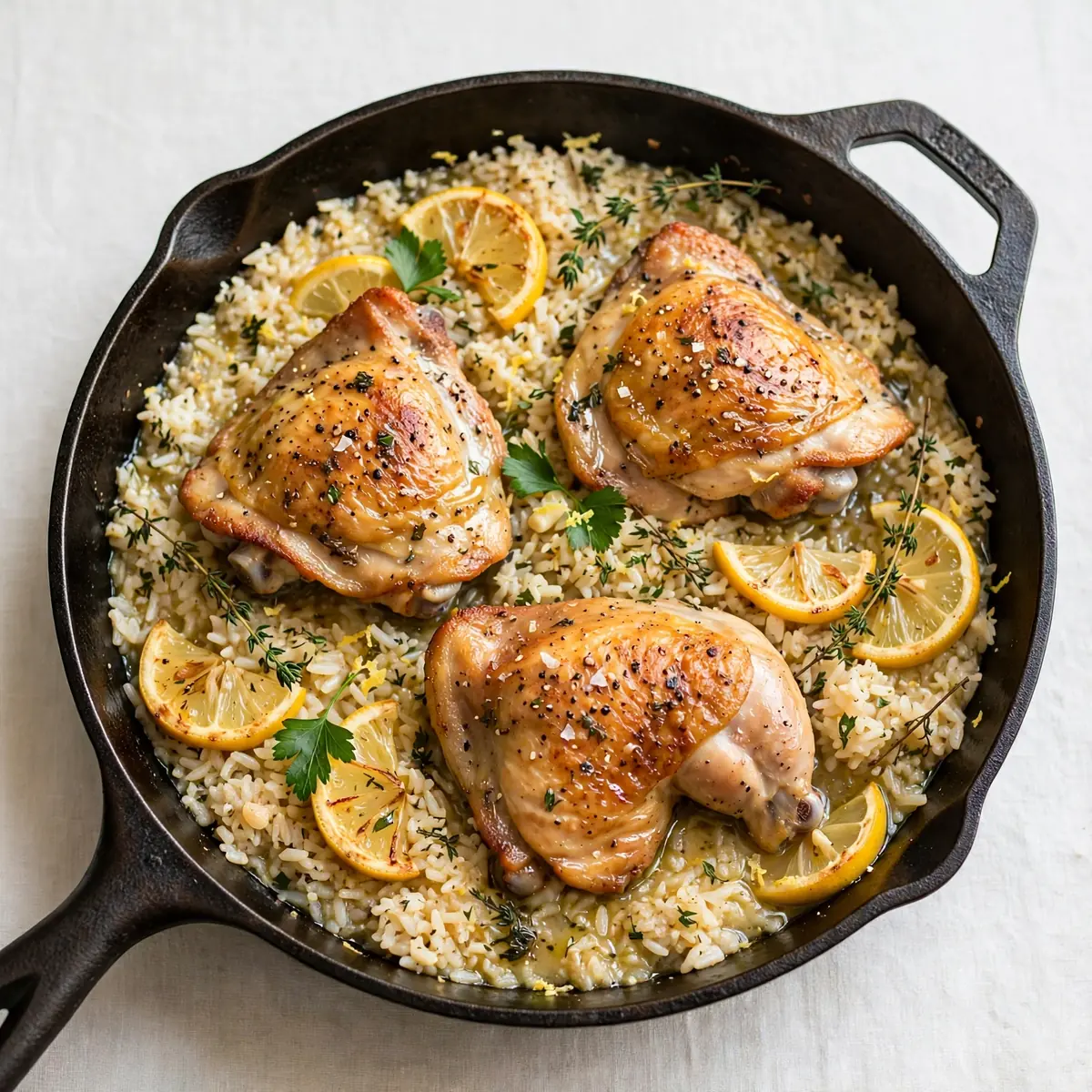
I still remember the first time I served this One-Pan Lemon Chicken and Rice to guests; the silence that fell over the table was broken only by the clink of forks and a quiet, appreciative hum. That’s the moment I knew this dish wasn’t just a weeknight fix — it was a piece of restaurant theatre I could pull off in my own kitchen.
Recipe Overview
- Prep time: 15 minutes
- Cook time: 40 minutes
- Total time: 55 minutes
- Servings: 4
- Difficulty: Medium
Why You’ll Love This One-Pan Lemon Chicken and Rice
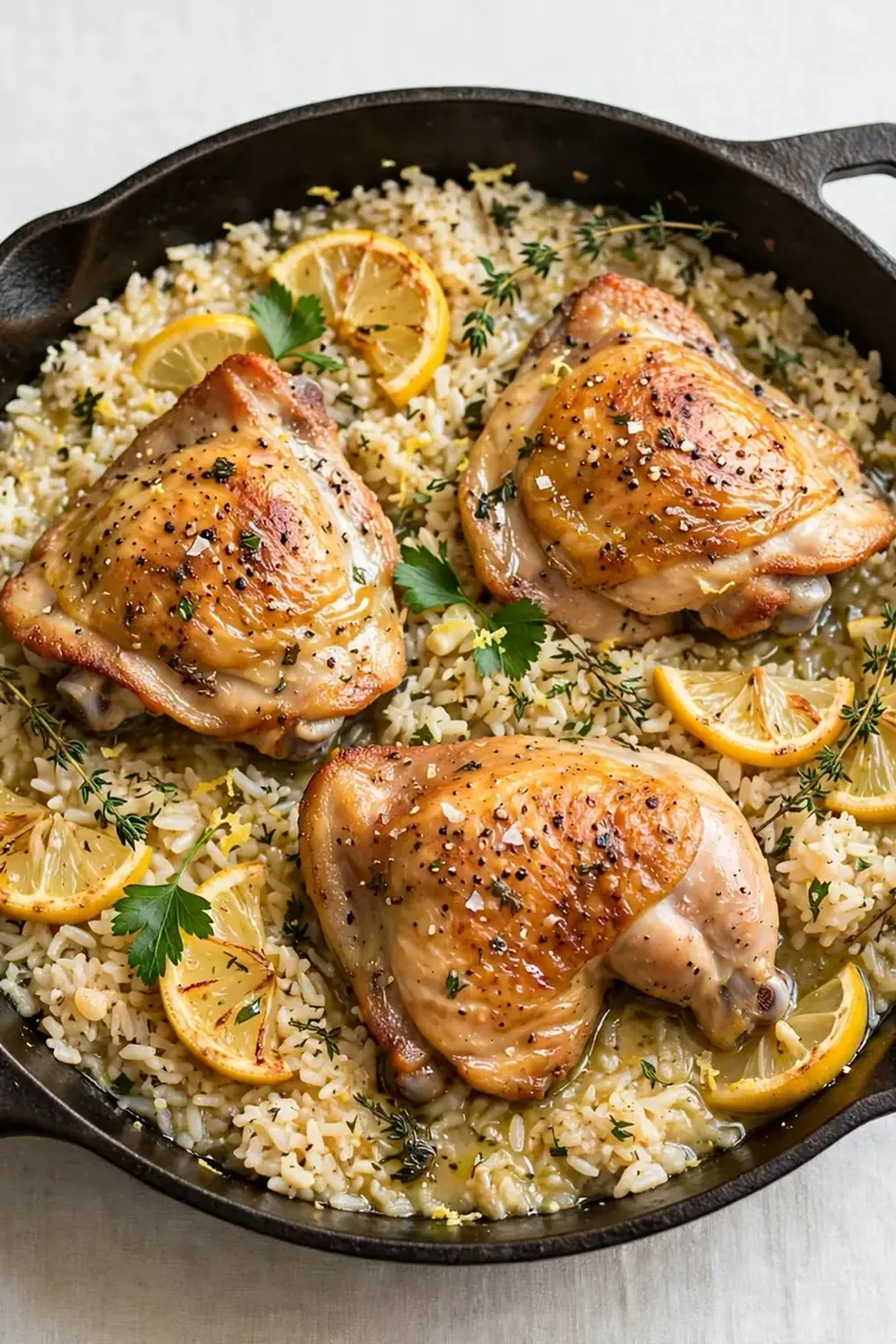
- Restaurant-quality plating at home: The golden, crispy-skinned chicken sits atop a bed of fluffy, lemon-flecked rice, making for a stunning presentation that rivals any bistro.
- Deep, layered flavours from one pan: The rice absorbs the chicken juices, lemon, and aromatics, creating a cohesive dish where every bite is as good as the last.
- Effortless entertaining: With everything cooked in a single pan, you spend less time washing up and more time enjoying your guests’ company.
- Customisable to impress: Small finishing touches — a sprinkle of fresh herbs, a drizzle of good olive oil — elevate it from home cooking to something truly special.
- Foolproof technique: The method ensures the chicken stays juicy while the rice cooks perfectly, giving you confidence every time.
Ingredients You’ll Need
- 4 bone-in, skin-on chicken thighs (about 800g)
- 2 tablespoons olive oil
- 1 large onion, finely chopped (about 150g)
- 3 garlic cloves, minced
- 300g basmati rice
- 750ml chicken stock
- 2 lemons: zest of 2, juice of 1
- 1 teaspoon dried oregano
- 1 teaspoon ground turmeric (for colour)
- ½ teaspoon black pepper
- 1 teaspoon salt
- 30g butter, cubed
- Fresh parsley, chopped, for garnish
Tip: For the best texture, rinse the basmati rice in a sieve under cold running water until the water runs clear. This removes excess starch and stops the rice from becoming gluey as it cooks.
How to Make One-Pan Lemon Chicken and Rice
- Season and sear the chicken: Pat the chicken thighs dry with kitchen paper — this is crucial for a crisp skin. Season them generously with salt and pepper on both sides. Heat the olive oil in a large frying pan over a medium-high heat until it shimmers. Place the chicken skin-side down and listen for a satisfying sizzle. Cook for 5–6 minutes until the skin turns a deep, nutty golden brown and feels firm to the touch. Flip and cook for another 3 minutes. The kitchen will fill with a rich, savoury aroma. Set the chicken aside on a plate.
- Sweat the aromatics: Reduce the heat to medium-low. In the same pan, add the chopped onion and stir. You’ll hear a gentle hiss as it hits the pan. Cook for 5 minutes, stirring often, until the onion turns translucent and softens, releasing a sweet, mellow fragrance. Add the minced garlic and cook for a further minute until it becomes fragrant but not coloured.
- Toast the rice: Tip the rinsed and drained rice into the pan. Stir it through the onion and garlic for 1–2 minutes. The grains will start to look slightly opaque and you’ll hear a faint crackling sound. This toasting step adds a subtle nuttiness to the final dish.
- Add the liquid and lemon: Pour in the chicken stock, then add the lemon zest, lemon juice, oregano, turmeric, and salt. Stir everything together and bring it to a gentle boil. You’ll see small bubbles breaking the surface and the liquid will turn a vibrant, sunny yellow from the turmeric and lemon.
- Nestle the chicken and bake: Place the seared chicken thighs on top of the rice, skin-side up. Dot the cubed butter around the pan. Cover with a tight-fitting lid or foil and transfer to an oven preheated to 190°C (170°C fan). Bake for 25 minutes. The rice will absorb all the liquid, and the chicken will finish cooking through, its skin staying crisp.
- Rest and fluff: Remove the pan from the oven and let it rest, still covered, for 5 minutes. This resting period is vital — it allows the steam to redistribute, ensuring the rice is fluffy and not wet. Uncover and use a fork to gently fluff the rice, being careful not to break up the chicken. The rice should be tender and separate, with a bright lemon scent and a hint of turmeric.
- Garnish and serve: Scatter the fresh parsley over the top. For a final restaurant touch, add a few thin slices of fresh lemon and a drizzle of extra-virgin olive oil. Serve directly from the pan to the table for maximum visual impact.
Tips From My Kitchen
- Use bone-in, skin-on chicken thighs: The bone keeps the meat moist during the longer cooking time, while the skin renders fat that flavours the rice. Boneless, skinless breasts will dry out and lack the deep, savoury richness that makes this dish sing.
- Don’t skip the rice rinsing: Unrinsed basmati rice releases a lot of starch, which can turn your rice into a stodgy, clumpy mess. Rinsing until the water runs clear removes this starch and gives you those beautiful, separate grains that look so elegant on the plate.
- Get the pan hot enough for searing: If the pan isn’t hot enough, the chicken skin will stick and steam rather than crisp. The oil should shimmer and move like water before you add the chicken. That initial sizzle is the sound of success — it creates a golden crust that locks in flavour.
- Resist the urge to stir after adding the stock: Once the rice and stock are in the pan, leave it alone. Stirring releases more starch and can break the rice grains. Trust the process and let the oven do the work.
- Let it rest for a full 5 minutes: I’ve been making this for over 8 years, and it never disappoints when I follow this rule. Resting allows the residual heat to finish cooking the rice evenly and lets any excess moisture be reabsorbed, preventing a watery bottom layer.
Equipment You’ll Need
- Large frying pan or skillet (oven-safe, about 30cm diameter)
- Sharp knife and cutting board
- Mixing bowls
- Wooden spoon or spatula
Common Mistakes to Avoid
- Overcrowding the pan: If you’re cooking for a larger group, use a bigger pan or cook in batches. Overcrowding traps steam, which prevents the chicken skin from crisping and causes the rice to boil rather than bake, resulting in a mushy texture.
- Wrong temperature: Searing the chicken over a heat that’s too low will leave you with pale, rubbery skin. Conversely, boiling the stock too vigorously before baking can make the rice unevenly cooked. Keep the heat for searing at medium-high and bring the stock to a gentle simmer, not a rolling boil.
- Skipping the rest time: It’s tempting to serve immediately, but cutting into the chicken or fluffing the rice straight away releases steam and moisture. Resting allows everything to settle, ensuring the chicken stays juicy and the rice remains light and separate.
Delicious Variations to Try
- Spicy Version: Add a finely chopped red chilli or a teaspoon of smoked paprika along with the garlic. For extra heat, stir a pinch of cayenne pepper into the stock before pouring it over the rice. The warmth cuts through the lemon beautifully.
- Vegetarian/Vegan Option: Replace the chicken with thick slices of halloumi or firm tofu, seared until golden. Use vegetable stock instead of chicken stock, and add a can of drained chickpeas to the rice for protein and texture.
- Different Protein: Boneless chicken thighs can be used, but reduce the oven time by 5–7 minutes. For a change, try this with lamb chops or even a firm white fish like cod, though fish will need only 15–18 minutes in the oven.
What to Serve With One-Pan Lemon Chicken and Rice
- A simple green salad with a lemon vinaigrette to echo the citrus notes.
- Steamed green beans or asparagus, blanched and tossed in butter.
- For a heartier meal, serve alongside Crispy Oven Roasted Potatoes Side for extra crunch.
Still hungry for ideas? You might also love Marry Me Chicken Orzo One Pan, Lemon Pepper Chicken from our sister kitchens.
Frequently Asked Questions
One-Pan Lemon Chicken and Rice
Ingredients
Method
- Season and sear the chicken: Pat the chicken thighs dry with kitchen paper — this is crucial for a crisp skin. Season them generously with salt and pepper on both sides. Heat the olive oil in a large frying pan over a medium-high heat until it shimmers. Place the chicken skin-side down and listen for a satisfying sizzle. Cook for 5–6 minutes until the skin turns a deep, nutty golden brown and feels firm to the touch. Flip and cook for another 3 minutes. The kitchen will fill with a rich, savoury aroma. Set the chicken aside on a plate.
- Sweat the aromatics: Reduce the heat to medium-low. In the same pan, add the chopped onion and stir. You'll hear a gentle hiss as it hits the pan. Cook for 5 minutes, stirring often, until the onion turns translucent and softens, releasing a sweet, mellow fragrance. Add the minced garlic and cook for a further minute until it becomes fragrant but not coloured.
- Toast the rice: Tip the rinsed and drained rice into the pan. Stir it through the onion and garlic for 1–2 minutes. The grains will start to look slightly opaque and you'll hear a faint crackling sound. This toasting step adds a subtle nuttiness to the final dish.
- Add the liquid and lemon: Pour in the chicken stock, then add the lemon zest, lemon juice, oregano, turmeric, and salt. Stir everything together and bring it to a gentle boil. You'll see small bubbles breaking the surface and the liquid will turn a vibrant, sunny yellow from the turmeric and lemon.
- Nestle the chicken and bake: Place the seared chicken thighs on top of the rice, skin-side up. Dot the cubed butter around the pan. Cover with a tight-fitting lid or foil and transfer to an oven preheated to 190°C (170°C fan). Bake for 25 minutes. The rice will absorb all the liquid, and the chicken will finish cooking through, its skin staying crisp.
- Rest and fluff: Remove the pan from the oven and let it rest, still covered, for 5 minutes. This resting period is vital — it allows the steam to redistribute, ensuring the rice is fluffy and not wet. Uncover and use a fork to gently fluff the rice, being careful not to break up the chicken. The rice should be tender and separate, with a bright lemon scent and a hint of turmeric.
- Garnish and serve: Scatter the fresh parsley over the top. For a final restaurant touch, add a few thin slices of fresh lemon and a drizzle of extra-virgin olive oil. Serve directly from the pan to the table for maximum visual impact.
Notes
I make this at least once a week — it’s become a family favourite, and it always feels like an event. There’s something about bringing that pan directly to the table, the lemon and herbs catching the light, that turns a simple dinner into a memory. I’d love to hear how it goes for you. Share your plating photos or any tweaks you made in the comments below — your version might just inspire someone else’s next dinner party.